
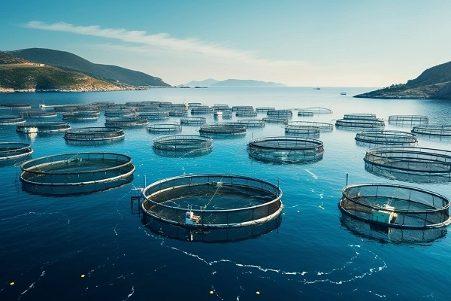
As Malawi grapples with an escalating crisis in its fisheries, the potential of cage aquaculture as a sustainable solution is attracting increasing attention. With declining fish stocks threatening the livelihoods of countless communities dependent on these waters, the time has come to explore innovative strategies to bolster food security and environmental resilience. This article delves into the promise and challenges of cage aquaculture in Malawi, examining how this method could not only alleviate pressure on dwindling marine populations but also enhance local economies. By shedding light on successful case studies, expert insights, and the vital role of community engagement, we investigate whether cage aquaculture could indeed be the key to preserving Malawi’s fisheries for future generations.
Exploring the Potential of Cage Aquaculture in Malawi’s Fishery Crisis
Cage aquaculture presents a promising and sustainable alternative to traditional fishing practices, particularly in a country like Malawi, where declining fish stocks threaten the livelihoods of many communities. This method involves the cultivation of fish in controlled environments, which can significantly mitigate pressure on wild fish populations. Benefits of cage aquaculture include:
- Reduced overfishing of natural stocks.
- Improved fish growth rates through optimal feeding practices.
- Enhanced resource management with the ability to monitor and synthesize fish health.
Additionally, with Malawi’s abundant freshwater resources, particularly Lake Malawi, the adoption of cage aquaculture could be a game-changer. By utilizing floating cages, local fish farmers can cultivate species like tilapia and catfish, which are in high demand within local and export markets. Key challenges must be addressed, such as:
- Infrastructure development to support cage installation and maintenance.
- Training for farmers on best practices and sustainable techniques.
- Ensuring water quality and minimizing environmental impacts.
Innovative Practices to Enhance Sustainability and Profitability in Aquaculture
Adopting innovative approaches in cage aquaculture can significantly contribute to both sustainability and profitability in Malawi’s fisheries sector. By implementing integrated multi-trophic aquaculture (IMTA), farmers can create a more balanced ecosystem by combining different species that complement each other, enhancing nutrient recycling and reducing waste. This practice not only improves water quality but also yields diverse products, thus offering economic resilience. Additionally, utilizing smart feeding technologies can optimize feed conversion, reducing costs and minimizing environmental impact, leading to healthier fish and a more profitable operation.
Moreover, investing in renewable energy solutions for aquaculture operations can lower energy costs substantially, making businesses more sustainable and less dependent on fossil fuels. Aquaculture farmers can harness solar or wind energy to power aeration systems, water pumps, and processing facilities. The establishment of community-based cooperatives can promote knowledge sharing and collaborative marketing strategies, allowing small-scale farmers to access larger markets and increase their profit margins. These innovative practices not only bolster the aquaculture industry but also pave the way for a more sustainable future, preserving Malawi’s natural aquatic resources.
Recommendations for Policy and Community Engagement to Foster Growth in Malawi’s Fisheries
To effectively harness the potential of cage aquaculture and rejuvenate Malawi’s fisheries, it is crucial to focus on establishing comprehensive policies that promote sustainable practices. This includes:
- Enhancing Regulatory Frameworks: Implementing regulations that ensure responsible fish farming while protecting natural aquatic environments.
- Providing Financial Incentives: Offering grants or subsidies to fish farmers to adopt cage aquaculture, making it more accessible to small-scale operators.
- Supporting Research and Development: Investing in local research to develop resilient fish strains and sustainable feeding practices that suit Malawi’s unique ecological conditions.
Community engagement is equally critical in this transformation. Local stakeholders must be actively involved in crafting and implementing policies, fostering a sense of ownership and responsibility. Key actions to accomplish this include:
- Organizing Training Programs: Educating communities about the benefits and techniques of cage aquaculture, ensuring they are well-equipped to partake in this new industry.
- Facilitating Cooperative Models: Encouraging the formation of cooperatives that allow local fishermen to pool resources, share knowledge, and market their products collectively, increasing their economic resilience.
- Promoting Awareness Campaigns: Launching initiatives to raise awareness about the importance of sustainable fisheries management and the role of aquaculture in enhancing food security.
In Retrospect
In conclusion, the implementation of cage aquaculture in Malawi presents a promising solution to the nation’s struggling fisheries, which have been adversely affected by overfishing, habitat degradation, and climate change. By shifting towards sustainable and controlled fish farming practices, Malawi has the potential to not only replenish its declining fish stocks but also secure food sources for its growing population. As stakeholders-from government bodies and local communities to environmental organizations-collaborate to refine and expand this innovative approach, the future of Malawi’s aquatic resources and the livelihoods they support can transition from uncertainty to resilience. However, careful planning and regulatory measures will be essential to ensure that cage aquaculture develops in harmony with the environment and local cultures. The journey towards sustainable fisheries is challenging, yet with committed efforts, Malawi could emerge as a leader in the responsible stewardship of its natural resources, ultimately benefiting both its people and its ecosystems.










