
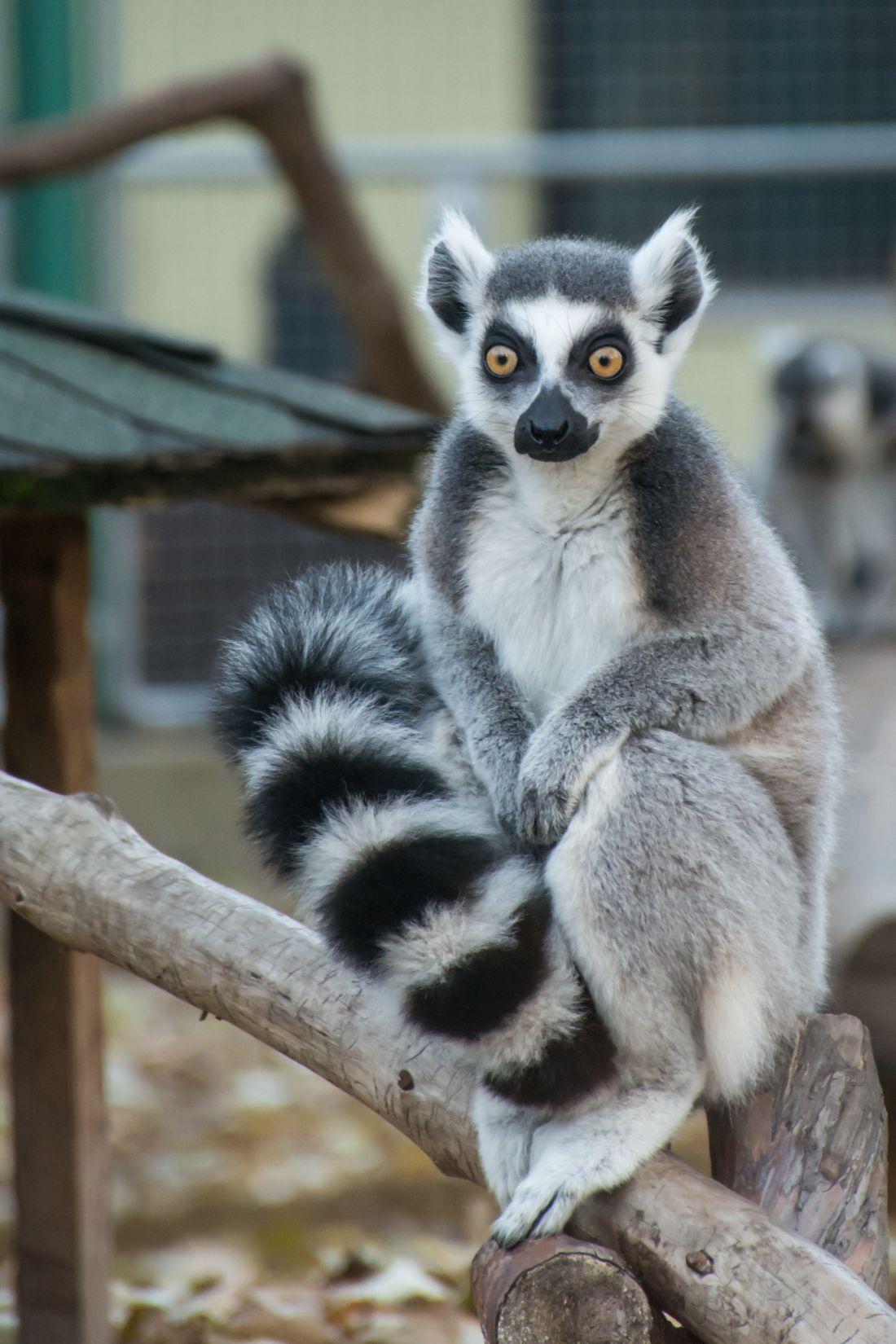
Madagascar, the world’s fourth-largest island, is renowned for its unparalleled biodiversity, especially its endemic species of lemurs, which have evolved in isolation for millions of years. Though,the unique genomic diversity of these fascinating primates is under increasing threat from a combination of ecological factors and human activities. As deforestation,climate change,and habitat fragmentation escalate,they pose significant challenges to the survival of lemurs,which serve as vital indicators of ecosystem health. This article delves into the complex interplay between natural and anthropogenic influences on the genetic variability of lemurs, exploring how these forces shape not only the future of these remarkable creatures but also the intricate web of life they inhabit. By examining recent research findings and conservation strategies, we aim to shed light on the urgent need to protect Madagascar’s rich biological heritage before it dwindles beyond recovery.
Ecological Pressures and Their Impact on Lemur Genomic Diversity in Madagascar
The unique biodiversity of Madagascar, particularly its endemic lemurs, is under threat from both ecological and anthropogenic pressures. The rapid deforestation driven by agriculture, logging, and mining significantly alters habitats, disrupting local ecosystems. This habitat degradation not only reduces the living spaces available for lemurs but also affects their genetic diversity as populations become fragmented. Fragmentation limits gene flow between groups, increasing the risk of inbreeding and diminishing the ability to adapt to changing environmental conditions.The following factors contribute to these precarious situations:
- Climate Change: Altering habitats and food availability.
- Habitat Loss: Resulting from agriculture and urban development.
- Invasive Species: Competing with native flora and fauna.
Research indicates that genetic diversity within lemur populations is declining at an alarming rate due to these ecological pressures. Genetic studies have shown that populations isolated in fragmented habitats exhibit decreased heterozygosity, a crucial component for resilience and adaptability. This situation is exacerbated by illegal wildlife trade, which further reduces population sizes and exacerbates isolation. The table below illustrates the correlation between habitat loss and genetic diversity in several lemur species:
| Species | Habitat Loss (%) | Genetic Diversity (Heterozygosity) |
|---|---|---|
| Indri indri | 70 | 0.25 |
| Lemur catta | 55 | 0.21 |
| Microcebus murinus | 60 | 0.18 |
These findings underscore the urgent need for conservation efforts aimed at preserving both the habitats and the genetic integrity of lemur populations. Effective strategies must involve lasting land use practices, protection of critical habitats, and raising awareness about the impact of human activities on these remarkable species.
Human Activities and Habitat Fragmentation: A Threat to Lemur Genetic Resilience
The increasing encroachment of human activities on natural habitats has dire consequences for the genetic health of Madagascar’s unique lemur populations.Habitat fragmentation, primarily driven by deforestation, agricultural expansion, and urbanization, has led to the isolation of lemur groups. This isolation not only reduces their ability to interbreed,which is crucial for genetic diversity,but also makes them more susceptible to stochastic events and disease. The following factors exacerbate this threat:
- Loss of Connectivity: Fragmented habitats prevent lemurs from accessing necessary resources, such as food and mating partners.
- Genetic Bottlenecking: Smaller populations face a higher risk of inbreeding, leading to decreased genetic variability.
- Environmental Stress: Changes in habitat can increase vulnerability to climate fluctuations and natural disasters.
Research indicates that the effects of such fragmentation can lead to decreased adaptability among lemurs. Their survival hinges on a robust genetic pool which allows for resilience against changing environments and diseases. Conservation strategies must prioritize the establishment of wildlife corridors that connect fragmented habitats and facilitate gene flow among these isolated populations. In light of this, the table below illustrates the comparative impact of various conservation strategies on enhancing genetic resilience in lemurs:
| Conservation Strategy | Expected Impact |
|---|---|
| Habitat Restoration | Increases biodiversity and promotes interbreeding |
| Wildlife Corridors | Facilitates gene flow and reduces isolation |
| Community Engagement | Enhances local awareness and support for conservation efforts |
Conservation Strategies: Enhancing Genetic Viability of Madagascar’s Lemur Populations
Conservation initiatives aimed at enhancing the genetic viability of lemur populations in Madagascar are crucial for their long-term survival.Habitat restoration is a essential strategy that focuses on reestablishing the natural habitat necessary for these unique species. This includes:
- Reforestation of native tree species
- Establishment of wildlife corridors to connect fragmented habitats
- Implementation of sustainable land-use practices to reduce habitat destruction
In tandem, genetic monitoring plays a pivotal role in preserving genetic diversity. By utilizing advanced genomic technologies, researchers can identify genetic bottlenecks and inform breeding programs. Strategies include:
- Captive breeding of genetically diverse individuals
- Reintroduction of captive-bred lemurs into their natural habitats
- Regular assessments of genetic diversity within wild populations
A combined effort in both habitat restoration and genetic monitoring will be imperative to ensure that Madagascar’s lemur populations not only survive but thrive, maintaining the ecological balance within their ecosystems.
| Strategy Type | Description |
|---|---|
| Habitat Restoration | Reforestation, wildlife corridors, sustainable practices |
| Genetic Monitoring | Captive breeding, reintroduction, diversity assessment |
The Way Forward
the intricate relationship between ecological and anthropogenic influences on the genomic diversity of lemurs in Madagascar presents both a pressing concern and a unique possibility for conservation efforts. As highlighted in this article, the delicate ecosystems that these endemic primates inhabit are increasingly under threat from habitat loss, climate change, and human activities.The genomic insights gained from ongoing research provide crucial data that can inform strategies to mitigate these impacts, helping to preserve not only the genetic diversity of lemurs but also the broader ecological health of Madagascar itself. As we continue to explore the genomic landscape of these fascinating creatures, it becomes evident that the future of lemurs-and the rich biodiversity they represent-depends significantly on our collective actions today. In the face of rapid environmental degradation, fostering a sustainable coexistence with nature is not just an ecological imperative, but a profound obligation to the future of this irreplaceable treasure trove of life.










