
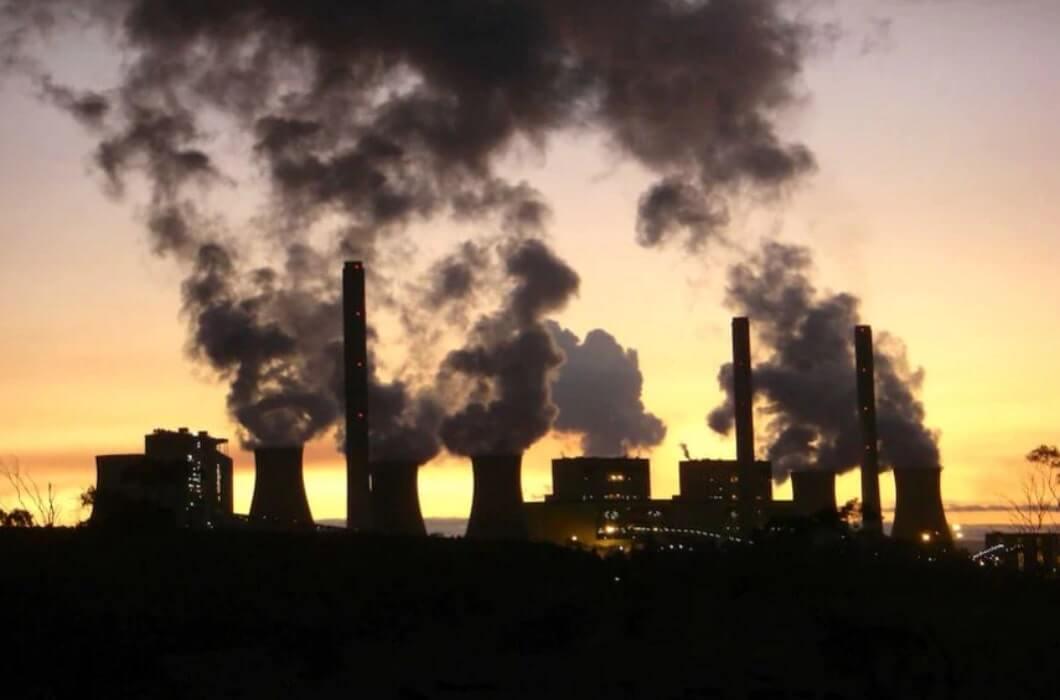
As the world grapples with escalating energy challenges, the spotlight turns to Madagascar, where French President Emmanuel Macron’s recent visit underscores the urgency of the situation. With soaring fuel prices, diminishing resources, and the adverse effects of climate change, the island nation finds itself at a crossroads, facing the dual pressures of energy security and economic sustainability. Macron’s rare diplomatic engagement serves not only to strengthen ties between France and Madagascar but also to address the pressing energy crisis that looms large over both nations. In this article,we will explore the implications of this visit,the current state of energy in Madagascar,and the potential avenues for cooperation in tackling the energy challenges that threaten global stability.
Macron’s Strategic Diplomacy: Addressing Madagascar’s Energy Dilemmas
Emmanuel Macron’s recent visit to Madagascar comes at a pivotal moment, as the island nation grapples with significant energy challenges exacerbated by climate change and infrastructural shortcomings. The French President’s engagement underscores France’s role as a key player in regional geopolitics and energy transition. During discussions with Malagasy leaders, Macron emphasized a collaborative approach to tackle the pressing energy crisis, which has left many citizens without reliable access to electricity. Key areas of focus during these talks included:
- Renewable Energy Initiatives: Promoting investments in solar and wind energy to diversify Madagascar’s energy portfolio.
- Partnerships with Local Stakeholders: Engaging with local businesses and government bodies to create lasting energy solutions.
- Technology Transfer: Sharing French expertise in energy efficiency and green technology with Madagascar to enhance infrastructure resilience.
The potential for sustainable development through energy reform is evident, yet the path forward is fraught with challenges. Madagascar’s reliance on traditional biomass and fossil fuels poses significant hurdles to achieving energy independence. Macron’s diplomatic efforts aim to pave the way for a strategic alliance, pooling resources and expertise to mitigate these longstanding issues. To illustrate the gravity of the current energy landscape, the following table outlines key statistics related to Madagascar’s energy consumption and sources:
| Energy Source | Percentage of Total Consumption |
|---|---|
| Biomass | 70% |
| Fossil Fuels | 25% |
| Renewables | 5% |
Urgent Solutions for Madagascar’s Energy Crisis: Insights from Global Perspectives
In light of escalating energy shortages, Madagascar faces a pressing need for innovative solutions to mitigate its energy crisis. President Emmanuel Macron’s recent visit underscores the international community’s recognition of Madagascar’s plight. Government experts are exploring a diverse range of strategies, leveraging lessons learned from countries that have successfully transitioned to sustainable energy models. Some of these insights include:
- Decentralization of Energy Production: Localized solar and wind energy systems can empower communities, reducing reliance on centralized grids and enhancing energy access in remote areas.
- Investment in Renewable Technologies: Encouraging foreign investment in renewable energy projects can help Madagascar harness its rich natural resources, such as solar, geothermal, and hydropower.
- Public-Private Partnerships: Engaging private sector innovators can boost infrastructure development and improve energy distribution networks.
Addressing these challenges requires not only a concerted national effort but also strategic collaboration with international partners. Countries like Kenya and Ethiopia have made significant strides in renewable energy, demonstrating that investment in green technology can lead to economic growth while reducing carbon footprints. Drawing on these experiences, Madagascar could possibly establish a roadmap that includes:
| Strategy | Outcome |
|---|---|
| Solar Microgrids | Increased rural electrification and energy independence |
| Geothermal Development | Stable power supply and reduced energy costs |
| Capacity Building Programs | Enhanced local expertise in energy management |
Impacts of the Energy Crisis on Madagascar’s Development and Environmental Sustainability
The ongoing energy crisis is casting a long shadow over Madagascar’s prospects for growth and environmental stewardship. As energy demands rise and supplies dwindle, the island nation faces significant challenges that threaten its development trajectory. The increased reliance on fossil fuels due to inadequate access to renewable energy sources exacerbates the situation, leading to health and environmental repercussions such as air pollution and deforestation. The impact of climate change, already a pressing issue, becomes more pronounced as Madagascar struggles to balance energy needs with sustainable practices. Key sectors are affected, including:
- Agriculture: Limited access to reliable energy sources impacts irrigation systems and food production.
- Health Services: Hospitals and clinics face disruptions due to unreliable power, jeopardizing patient care.
- Education: Schools frequently enough lack the necessary resources for lighting and technology,hindering learning opportunities.
Furthermore,the energy crisis poses a challenge to Madagascar’s commitments to environmental sustainability. With the increased push for resource extraction to meet urgent energy demands, precious ecosystems face degradation.The potential for renewable energy solutions, such as solar and wind, remains largely untapped, necessitating urgent investments and policies that embrace sustainable approaches.A strategic pivot towards eco-friendly energy could not only alleviate the current crisis but also position Madagascar as a leader in sustainable development in the region. Understanding this complex relationship between energy needs and environmental health is crucial for informed policymaking moving forward.
| Energy Sector Challenges | Environmental Consequences |
|---|---|
| Increased fossil fuel reliance | Deforestation and habitat loss |
| Inconsistent energy access | Water pollution from waste |
| Underinvestment in renewables | Higher carbon emissions |
Concluding Remarks
President Emmanuel Macron’s recent visit to Madagascar underscored the intricate relationship between pressing global energy challenges and international diplomacy. As the world grapples with an escalating energy crisis, Madagascar, rich in natural resources yet grappling with its own economic difficulties, presents both opportunities and challenges for sustainable development. Macron’s engagement with Malagasy leaders signifies a critical moment for international collaboration in addressing energy reliance and environmental sustainability. As nations pivot towards greener alternatives, Madagascar stands at a crossroads, poised to play a pivotal role in the region’s energy landscape.Moving forward, the dialogues initiated during this visit will undoubtedly influence not only bilateral relations between France and Madagascar but also broader discussions on energy security in a changing global environment. The stakes are high, and the need for innovative solutions has never been more urgent.










