
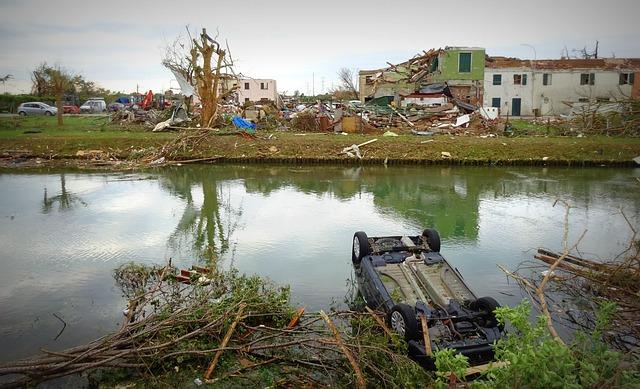
In a devastating turn of events, Cyclone Gezani has claimed the lives of at least four individuals in Mozambique, prompting widespread concern and emergency responses across the region. As heavy rains and strong winds battered coastal communities, local authorities scrambled to assess the damage and provide aid to those affected.Meanwhile, neighboring madagascar is in the process of evaluating the impact of the storm, which has caused significant destruction and disrupted the lives of thousands. This article examines the ramifications of Cyclone Gezani as it wreaks havoc in southeastern Africa, highlighting the resilience of communities in the face of climate-related disasters and the urgent need for humanitarian assistance.
Cyclone Gezani’s devastating Impact on Mozambique: Casualties and Immediate Response Efforts
The aftermath of Cyclone Gezani has left a profound mark on Mozambique, where the recent storm has resulted in four confirmed fatalities. The cyclone, which struck with fierce winds and torrential rain, has wreaked havoc across the coastal regions, leading to widespread destruction of homes, infrastructure, and agricultural land. Local authorities have reported significant flooding, displacing thousands of residents and leaving many in urgent need of assistance. Communities are grappling with the emotional toll of loss as families mourn their loved ones, and the challenge of rebuilding seems daunting amidst the devastation.
In response to the unfolding crisis, immediate relief efforts are being mobilized. Emergency services, alongside humanitarian organizations, have begun to assess the damage and deliver much-needed supplies to affected areas. Actions being undertaken include:
- Establishing temporary shelters for those displaced
- Providing food,clean water,and medical assistance to survivors
- Conducting search and rescue operations in flood-prone zones
Government officials have called for support from international communities to bolster these efforts,recognizing that the road to recovery will require not just immediate aid but also long-term rebuilding strategies to restore the livelihoods of those affected. As Mozambique faces the aftermath of this natural disaster, the resilience of its people will be tested, underscoring the need for solidarity and collaborative efforts in disaster response.
Assessing the Aftermath in Madagascar: Damage Evaluation and Recovery Strategies
The impact of Cyclone Gezani has left a devastating imprint on Madagascar’s landscape and communities. Preliminary assessments indicate significant destruction in various regions, marked by uprooted trees, damaged infrastructure, and flooded agricultural fields. Local authorities are spearheading efforts to catalog the extent of the damage, identifying the hardest-hit areas and prioritizing support. The evaluation process includes the gathering of data on:
- Residential damage and displacement of families
- Impact on schools and health facilities
- Assessment of food security and agricultural losses
Such detailed evaluations are crucial for effective recovery planning and resource allocation.
In response to the unfolding crisis, Madagascar is actively mobilizing recovery strategies that emphasize community resilience and long-term restoration. This includes the establishment of emergency relief funds and partnerships with various NGOs to address immediate humanitarian needs. Key strategies being discussed involve:
- Rebuilding infrastructure with enhanced resilience to future climatic events
- Implementing lasting agricultural practices to restore food production
- Developing community awareness programs on disaster preparedness
The combined efforts aim not only to provide immediate aid but also to fortify the country against the heightened risk of similar disasters in the future, fostering a more robust and prepared society.
Long-Term Recommendations for cyclone Preparedness in Southern Africa
In the wake of catastrophic events such as Cyclone Gezani, it is crucial for Southern Africa to adopt a proactive approach towards cyclone preparedness. Strengthening early warning systems is paramount; this involves improving communication channels between meteorological organizations and local communities to ensure that timely alerts reach even the most remote areas. Investing in community-based training programs can equip residents with the skills to respond effectively to imminent threats, fostering a culture of resilience and preparedness. These initiatives should be coupled with regular drills and simulations that allow communities to practise evacuation plans and safety measures under controlled conditions.
Moreover, infrastructure progress must be prioritized to mitigate the impact of future cyclones. This could involve reinforcing buildings and roads in vulnerable regions and ensuring that critical facilities, such as hospitals and schools, are designed to withstand severe weather conditions. Promoting sustainable land-use practices can reduce vulnerability by preserving natural barriers, such as mangroves and wetlands, which serve to absorb storm surges and flooding. Moreover, establishing financial safety nets, such as insurance schemes tailored for cyclone-related damages, can provide essential support to affected families and facilitate quicker recovery efforts. By implementing these long-term measures, Southern Africa can enhance its resilience against future cyclones and safeguard the well-being of its communities.
To Conclude
the devastating impact of Cyclone Gezani has left a profound mark on both Mozambique and Madagascar, highlighting the vulnerabilities of coastal communities to extreme weather events. As Mozambique mourns the loss of four lives and begins the arduous task of recovery, Madagascar faces its own challenges in assessing and addressing the destruction wrought by the cyclone. the aftermath of Gezani serves as a stark reminder of the urgent need for enhanced disaster preparedness and resilience strategies in the region. Ongoing support from local and international organizations will be crucial in aiding the affected populations and rebuilding their lives in the wake of this tragedy. As the situation continues to develop, the focus remains on providing immediate relief and reinforcing structures to better withstand future natural disasters.










