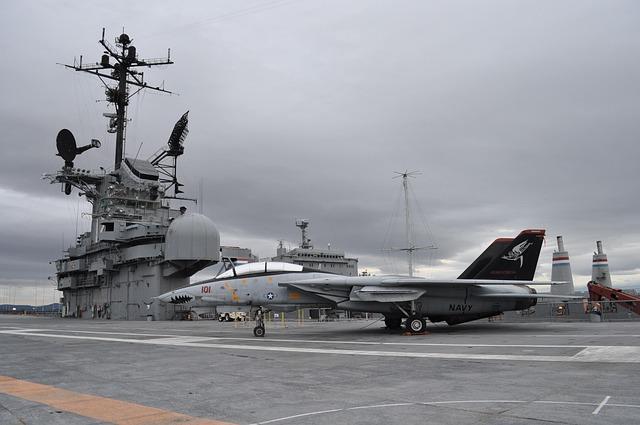
In a strategic effort to enhance regional stability and foster diplomatic relations, the USS Mount Whitney has recently completed port visits to the Libyan cities of Tripoli and Benghazi. These engagements serve not only as a demonstration of the U.S. Navy’s commitment to maritime security but also as a platform for strengthening ties with local communities and governments. As the largest forward-deployed amphibious command ship, the USS Mount Whitney plays a pivotal role in U.S. naval operations, showcasing America’s ongoing commitment to peace and cooperation in the Mediterranean. Through these visits, the Navy aims to reinforce partnerships, support humanitarian initiatives, and contribute to a more secure maritime environment in a region historically marked by political and social upheaval. This article delves into the significance of these port visits, the activities conducted aboard the USS Mount Whitney, and the broader implications for regional stability in North Africa.
USS Mount Whitney’s Strategic Role in Enhancing Regional Stability through Diplomacy
The recent port visits of the USS Mount Whitney to Tripoli and Benghazi serve as a significant demonstration of naval diplomacy aimed at fostering regional stability in the Mediterranean. By engaging with local authorities and communities, the U.S. Navy reinforces partnerships that are crucial for mutual security collaborations. These visits typically involve a series of cultural exchanges, military discussions, and humanitarian outreach programs, which together help to build trust and understanding between nations. The presence of the USS Mount Whitney, with its advanced capabilities, symbolizes a commitment to supporting the development of Libya’s maritime capacity, further solidifying its role as a stabilizing force in the region.
Moreover, these maritime engagements facilitate an array of strategic initiatives designed to address shared challenges such as maritime security, counter-terrorism efforts, and humanitarian assistance. The operational capabilities of the USS Mount Whitney, which include command and control as well as logistical support, exemplify the U.S. Navy’s mission to enhance collaboration and operational readiness among allies. Key activities during the port visits included:
- Joint training exercises to improve interoperability between U.S. and Libyan naval forces.
- Community outreach programs focusing on education and health services.
- Cultural exchange events that highlight the importance of mutual respect and understanding.
This strategic approach not only promotes regional stability but also reinforces the U.S. commitment to proactive partnership-building in areas critical to global security.
Insights from Recent Port Visits to Tripoli and Benghazi: Fostering International Partnerships
The recent port visits by the USS Mount Whitney in Tripoli and Benghazi mark a significant step in enhancing regional cooperation and stability in North Africa. These engagements serve as a platform for diplomatic dialogue and military collaboration, illustrating the United States’ commitment to building strong international partnerships. Key outcomes from these visits include:
- Strengthening Diplomatic Ties: Meetings with Libyan leaders emphasized mutual interests in security and economic development.
- Joint Training Initiatives: Discussions on future joint military exercises aimed at enhancing maritime security in the Mediterranean.
- Humanitarian Assistance: Collaborative efforts to address humanitarian needs highlighted the U.S. dedication to regional welfare.
Moreover, the interactions facilitated by the USS Mount Whitney underline the importance of sustained engagement. Collaborative projects were proposed, focusing on critical areas such as:
| Area of Focus | Potential Collaborations |
|---|---|
| Maritime Security | Joint patrols and information sharing |
| Disaster Response | Training exercises and resource allocation |
| Trade and Economic Development | Investment opportunities and trade agreements |
Through these initiatives, the U.S. Navy not only reaffirms its presence in the region but also paves the way for a collaborative future aimed at ensuring peace and stability within Libya and its neighboring nations.
Recommendations for Future Naval Engagements: Strengthening Ties in the Mediterranean Region
As naval forces continue to engage diplomatically and operationally in the Mediterranean, it becomes increasingly important to focus on long-term strategies that foster collaborative relationships among regional partners. Recommendations for future naval engagements could include:
- Joint Training Exercises: Conducting regular joint exercises with allied nations to enhance interoperability and readiness.
- Information Sharing Programs: Establishing robust communication channels for intelligence and operational information to strengthen trust and responsiveness to regional threats.
- Port Visits and Cultural Exchange: Encouraging naval ships to make port calls not only for logistical reasons but also to promote goodwill and cultural exchange among nations.
Additionally, future engagements should prioritize engagement on humanitarian missions, showcasing the U.S. commitment to regional security through cooperative activities. Possible initiatives include:
- Disaster Response Training: Collaborating with local forces in disaster preparedness drills to build capacity and resilience.
- Environmental Protection Engagements: Working together on marine conservation projects to address environmental concerns that threaten the Mediterranean ecosystem.
- Local Infrastructure Support: Providing assistance in developing vital port infrastructure, which can enhance both military and civilian maritime operations.
Wrapping Up
In conclusion, the USS Mount Whitney’s recent port visits to Tripoli and Benghazi underscore the United States Navy’s ongoing commitment to promoting regional stability in North Africa. By engaging with local partners and providing a platform for diplomatic discussions, these visits not only enhance maritime security but also foster cooperative relationships crucial for addressing shared challenges. As the naval presence continues to play a vital role in strengthening alliances and deterring potential threats, it is clear that the efforts demonstrated by the USS Mount Whitney represent a significant investment in the future security and prosperity of the region. Moving forward, such initiatives will be pivotal in reinforcing the United States’ strategic partnerships and ensuring a stable maritime environment in the Mediterranean Sea.