The Sahara Desert: Unveiling the Secrets of a Lush Past and Mysterious Human Lineages
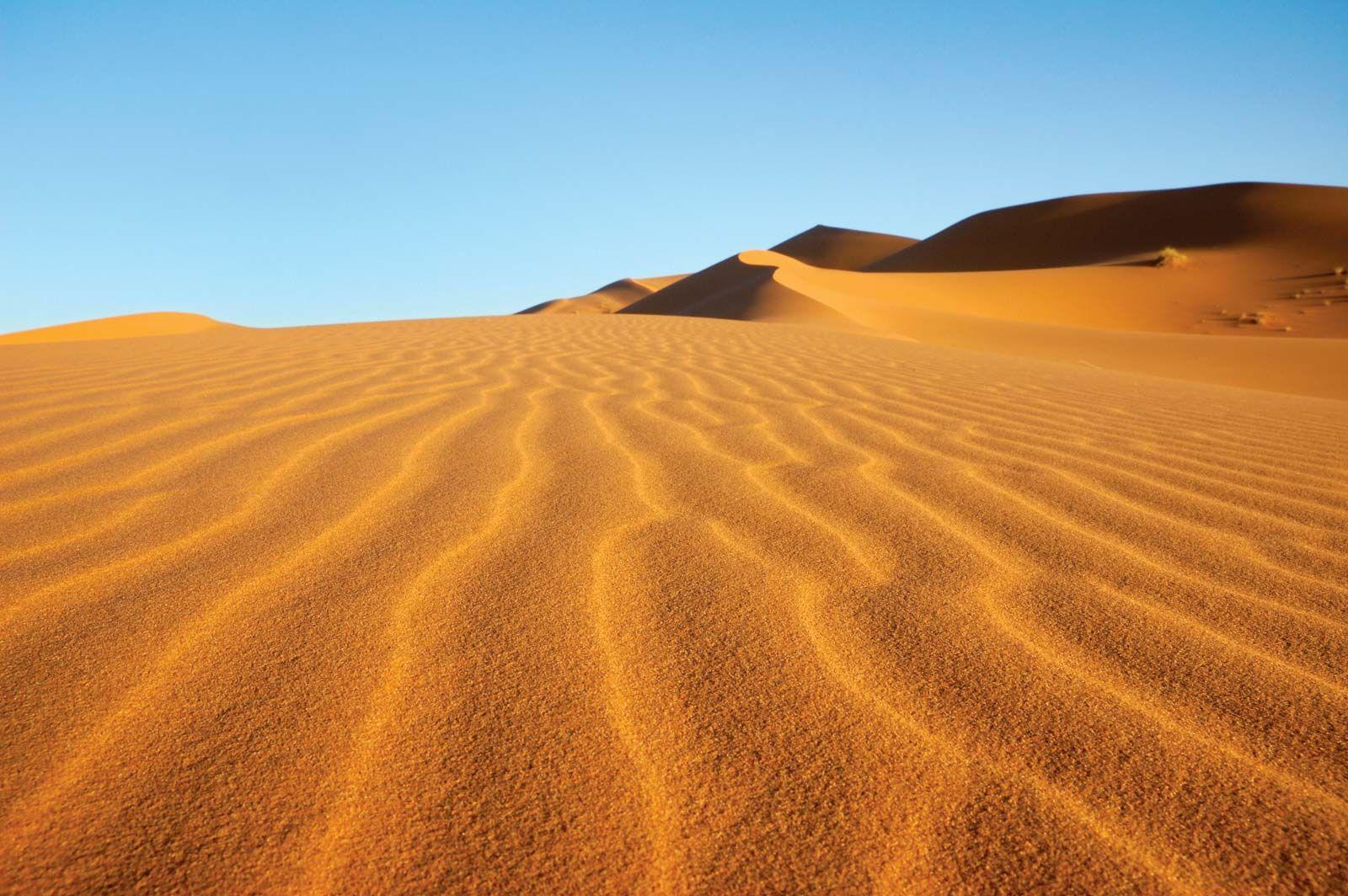
The Sahara Desert, known today for its arid landscapes and shifting sands, was once a vibrant and verdant environment, teeming with life and human activity. Recent research has shed light on this enchanting conversion, revealing that this vast expanse was not always the desolate terrain it is today. Rather,it was a cradle of biodiversity and early human civilization,hosting a mysterious lineage of humans whose adaptations and cultural innovations remain largely uncharted. This article delves into the findings of contemporary archaeological studies that trace back the SaharaS lush history, offering crucial insights into how climate change shaped human migration and survival in one of the world’s most extreme environments. Through a closer examination of this rich tapestry of life, we uncover the intriguing stories of those who once thrived in a landscape that now holds more secrets than sand.
Exploring the Sahara’s Green Past: Insights into Ancient Human Habitats
Recent archaeological discoveries in the Sahara Desert have begun to piece together a captivating narrative of a once-vibrant ecosystem that supported ancient human life. Evidence suggests that around 10,000 years ago, this arid landscape was not the sprawling desert we see today but rather a lush, green expanse dotted with rivers, lakes, and diverse flora and fauna. Findings indicate that early humans thrived in this environment, engaging in activities such as hunting, fishing, and gathering, which were essential for their survival. The remnants of stone tools, artifacts, and ancient dwellings speak volumes about the social structures and cultural practices of these early inhabitants.
The transformation of the Sahara into its current state is attributed to dramatic climatic shifts, with gradual desiccation driving ancient populations to migrate and adapt to changing conditions. Notably, researchers have identified key archaeological sites that unveil insights into these adaptive strategies. Some findings include:
- Rock Art: Illustrations depicting wildlife and human figures provide clues about their interactions with the environment.
- Burial Sites: Graves containing pottery and tools suggest a sophisticated understanding of life and death.
- Settlement Patterns: Remains of temporary and semi-permanent dwellings indicate migration habits influenced by resource availability.
As we continue to explore these ancient habitats,scientists are utilizing cutting-edge technology to delve deeper into the past. The study of sediment cores and the analysis of ancient pollen grains offer valuable insights into the climatic conditions that once prevailed in the Sahara. This research not only enriches our understanding of human history but also highlights the resilience and adaptability of our ancestors in the face of environmental change.
Unraveling Genetic Links: The Mysterious Lineage of Sahara’s Inhabitants
The Sahara Desert, a vast expanse of arid landscape today, was once a thriving environment, sustaining various human populations thousands of years ago. Recent studies have revealed intriguing genetic links among the modern inhabitants of this region, suggesting a complex lineage that has persisted despite dramatic climate changes. Researchers have uncovered that these communities carry ancient genetic markers, indicative of their ancestors’ adaptation to both the lush past and the unfriendly desert climate that followed. This genetic continuity allows scientists to piece together a narrative of survival and resilience in the face of environmental adversity.
Exploring the genetic makeup of these populations reveals important insights into migration patterns and ancestral origins. Key findings include:
- Genetic Markers: Distinct haplogroups that trace back to populations inhabiting the Sahara when it was lush.
- Migration Patterns: evidence pointing towards movements across neighboring regions as the climate shifted.
- cultural Exchange: Genetic admixture suggesting interactions with nearby civilizations, such as the Egyptians and Nubians.
These revelations not only cast light on the past dynamics of human movement but also provide crucial knowledge about present-day communities. Future studies are set to delve deeper into these genetic tapestries, potentially unlocking more secrets about human adaptability and migration in one of the world’s most challenging environments.
Conserving Arid Landscapes: Lessons from the Sahara for Modern Climate Resilience
In the vast expanse of the Sahara, once a flourishing ecosystem teeming with life, we find not only the remnants of an ancient world but also valuable insights for today’s climate challenges. Historical evidence suggests that the Sahara was once dotted with lush vegetation and sustenance-rich bodies of water, creating a vibrant habitat for early human populations. Understanding the transitions of this arid landscape holds critical lessons for modern climate resilience strategies, emphasizing the importance of adaptive management of ecosystems in face of extreme environmental shifts. The transformation from a verdant paradise to a sprawling desert demonstrates the profound effects of climate variation and human activity over millennia.
To harness the knowledge from these ancient climatic shifts, we should focus on implementing sustainable practices to combat desertification and enhance resilience in arid regions. Key strategies include:
- Reforestation: Planting drought-resistant trees to stabilize soil and restore ecosystems.
- Water Management: utilizing rainwater harvesting techniques to maximize limited resources.
- Soil Restoration: Employing permaculture and composting to revive depleted soils.
By integrating such methods and learning from past ecological transformations,we can equip ourselves to navigate a future marked by instability and change,combining customary knowledge with innovative practices for sustainable land use.
Future Outlook
the Sahara Desert,often perceived as a vast,arid wilderness,harbors a rich and intricate history that challenges our understanding of early human civilization. The findings highlighted in this article reveal that this seemingly inhospitable region was once a verdant landscape teeming with life, providing a fertile ground for human growth and migration. As researchers continue to unravel the enigmatic past of the Sahara, we gain valuable insights into the resilience and adaptability of our prehistoric ancestors. The evidence of a mysterious human lineage residing in this once-lush environment not only deepens our knowledge of human evolution but also prompts us to reconsider the dynamic interplay between climate and habitat in shaping the trajectory of human history. The Sahara, far from being a barren expanse, stands as a testament to the profound transformations our planet has undergone and serves as a reminder of the stories still waiting to be uncovered beneath its shifting sands.