
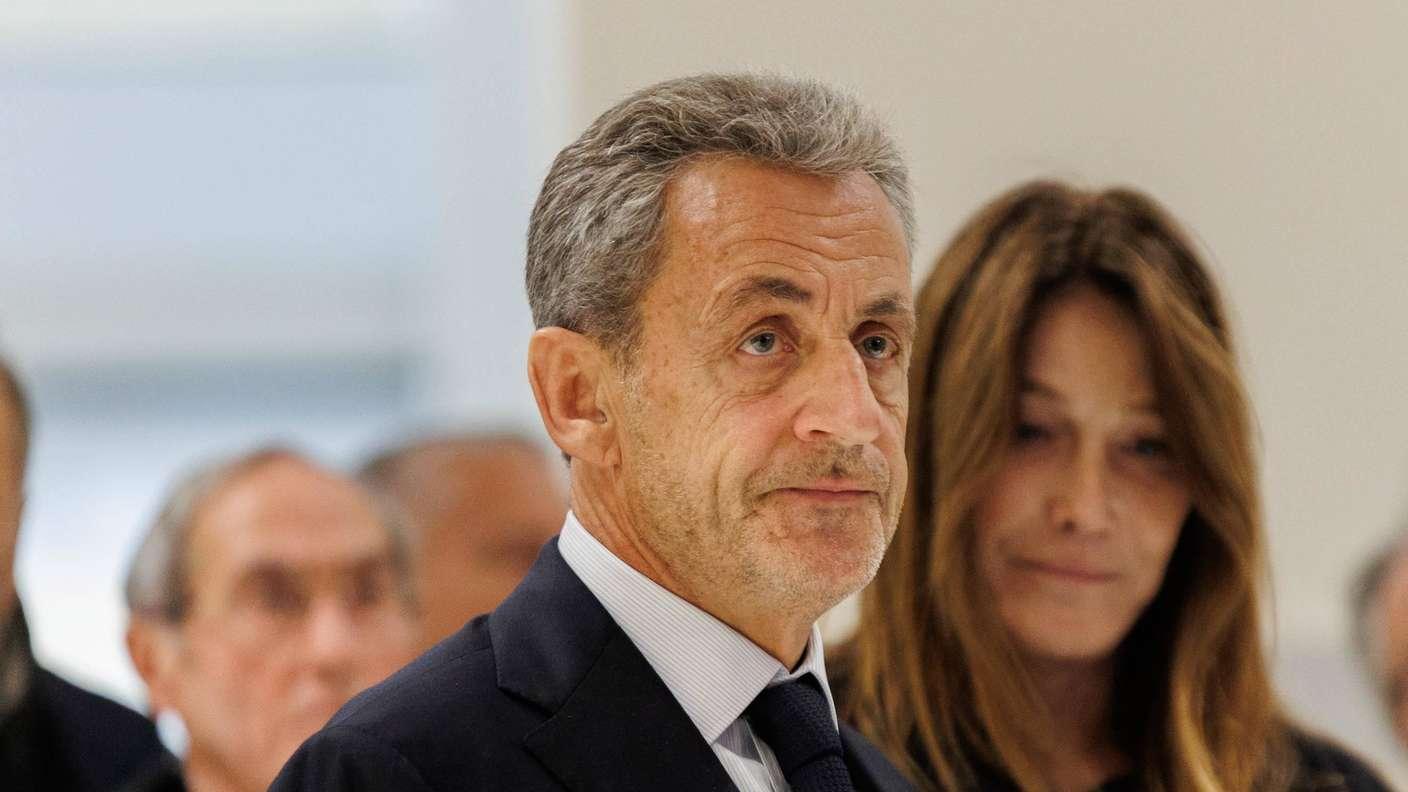
In a landmark ruling that underscores the ongoing implications of historical political dealings, former French President Nicolas Sarkozy has been sentenced to five years in prison by a Paris court for his involvement in a campaign financing scandal linked to Libya. The verdict, delivered by a panel of judges, stems from accusations that Sarkozy received illicit funds from the regime of Muammar Gaddafi during his successful presidential run in 2007. This ruling not only marks a significant moment in French legal history but also serves as a reminder of the enduring ramifications of political corruption and the need for accountability within high office. As legal experts and political analysts parse the implications of this decision, the case raises important questions about the intersection of power, ethics, and transparency in governance.
Sarkozy’s Sentence and Its Implications for Political Accountability in France
The recent ruling against Nicolas Sarkozy, former President of France, carries significant implications for political accountability in the country. Sentenced to five years in prison related to allegations of illicit campaign financing during the 2007 presidential campaign, Sarkozy’s case raises critical questions about the enforcement of campaign finance laws and the moral expectations of public officials. This ruling serves as a stark reminder that no one, not even a former head of state, is above the law. The legal proceedings shed light on the entrenched issues of corruption within political systems and reinforce the idea that accountability must be upheld to maintain public trust.
This landmark decision could pave the way for stronger regulatory frameworks regarding campaign financing, compelling future leaders to adhere to stricter standards of transparency and ethical conduct. As France grapples with its political landscape, the outcome of this case may inspire a broader societal demand for reform. The court’s actions highlight the necessity of proactive measures against corruption, ensuring that accountability within political spheres becomes a norm rather than an exception. Potential future reforms may include:
- Enhanced oversight of campaign finances.
- More stringent penalties for violations.
- Encouragement of whistleblowing on corruption.
Analyzing the Evidence: Key Findings from the Libya Campaign-Financing Trial
The trial surrounding the allegations of illicit financing for Nicolas Sarkozy’s 2007 presidential campaign has revealed several pivotal insights into the intersection of politics and finance in France. Among the primary findings:
- Illicit Funding Sources: Evidence presented in court indicated a direct link between Sarkozy’s campaign finances and funds allegedly derived from the Libyan government, particularly during the regime of Muammar Gaddafi.
- Financial Transactions: Testimonies included details of suspicious financial transactions between various political operatives and Libyan officials, raising questions about the legality of these dealings.
- Legal Precedent: This case signifies a crucial moment in French law, potentially setting a precedent for how financial irregularities in political campaigns are prosecuted in the future.
The prosecution laid out a compelling narrative, supported by documentation and witness testimonies. Key evidence highlighted includes:
| Evidence Type | Description |
|---|---|
| Bank Records | Transaction logs showing transfers from Libyan entities to Sarkozy’s campaign account. |
| Testimonies | Statements from campaign aides confirming knowledge of foreign funding. |
| Emails | Correspondence indicating discussions about campaign financing strategies involving foreign sources. |
Future of Political Fundraising Regulations in France Post-Sarkozy Verdict
The sentencing of former President Nicolas Sarkozy has far-reaching implications for the landscape of political fundraising regulations in France. As the country grapples with the fallout from the verdict, lawmakers are likely to reconsider existing legislation surrounding campaign finance. The conviction may serve as a catalyst to enhance transparency and accountability, potentially leading to more stringent rules regarding:
- Source of Donations: Clearer guidelines on where campaign funds can originate.
- Spending Limits: Potential re-evaluation of caps on campaign expenditures to prevent overspending.
- Public Disclosure: Increased requirements for the disclosure of donors and their contributions.
In response to the growing concern over illicit funding practices, a comprehensive review of the political finance framework may include the following measures:
| Proposed Measures | Description |
|---|---|
| Stricter Penalties | Introducing harsher penalties for violations of campaign finance laws. |
| Independent Oversight | Enhancing the power of independent bodies to oversee fundraising practices. |
| Public Funding | Exploring the feasibility of increased public funding for campaigns to reduce reliance on private donations. |
In Summary
In conclusion, the sentencing of former French President Nicolas Sarkozy to five years in prison marks a significant milestone in the ongoing investigation into illegal campaign financing related to his 2007 election bid. This ruling not only highlights the legal consequences faced by high-profile political figures in France but also reinforces the country’s commitment to upholding electoral integrity. As Sarkozy plans to appeal the verdict, the implications of this case extend beyond his personal future, stirring discussions about accountability, the influence of foreign funds in elections, and the broader political landscape in France. As developments unfold, the ramifications of this trial are likely to resonate within the corridors of power and among the electorate, prompting renewed scrutiny of campaign financing practices in a landscape increasingly wary of corruption. The coming months will be crucial as both Sarkozy and his supporters respond to this landmark decision, potentially shaping the narrative of French politics for years to come.










