
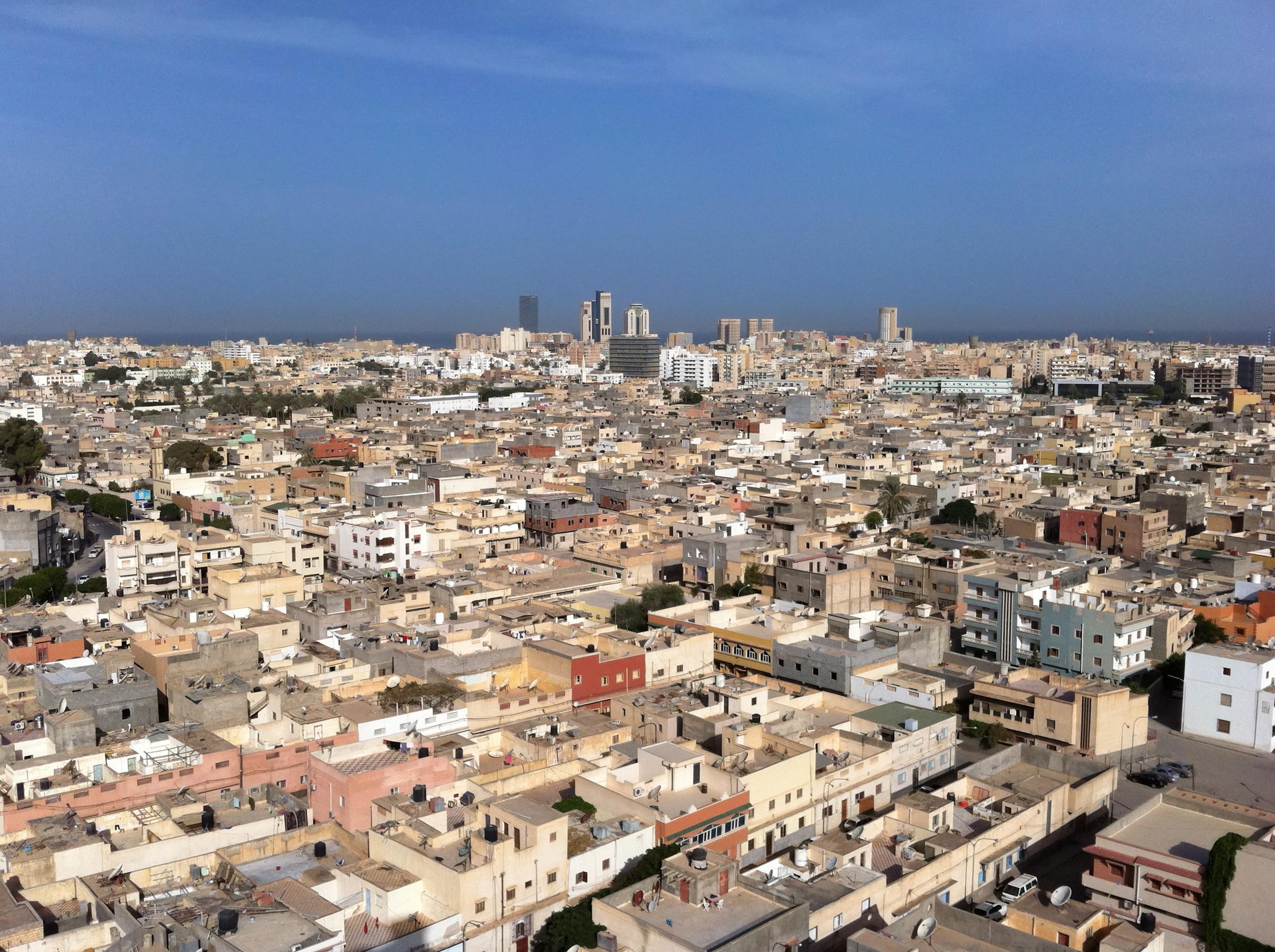
Libya: Selected Issues – International Monetary Fund (IMF)
As Libya navigates through a complex web of socio-economic challenges and political instability, the role of international financial institutions has never been more critical. The International Monetary Fund (IMF) has engaged with Libya to address key economic issues and offer strategic advice aimed at stabilizing the country’s economy amidst ongoing turmoil. This article explores selected issues highlighted by the IMF, examining the implications of Libya’s fiscal policies, exchange rate dynamics, and the urgent need for structural reforms. By analyzing the IMF’s assessments and recommendations, we gain insight into the path forward for Libya as it seeks to rebuild its economy, ensuring enduring growth and improved living standards for its citizens in a rapidly changing geopolitical landscape.
Libya’s Economic Landscape: Challenges and Opportunities for Growth
Libya’s economic landscape is marked by a series of complex challenges that hinder sustainable growth. The ongoing political instability has led to a fragmented governance structure, complicating the implementation of effective economic policies. Significant issues include:
- Oil Dependency: Libya’s economy heavily relies on oil exports, which account for a significant portion of government revenue.
- Infrastructure Decay: Decades of conflict have severely damaged critical infrastructure, stunting economic activities and deterring investments.
- High Unemployment Rates: A lack of job opportunities, especially for youth, creates socio-economic tensions.
Despite these challenges, Libya possesses considerable opportunities for economic revitalization. The country’s abundant natural resources, especially in the energy sector, provide a strong foundation for growth. Additionally,enhancing sectors such as agriculture and tourism could diversify the economy and reduce dependency on oil.Key opportunities include:
- Renewable Energy: Investment in solar and wind energy could position Libya as a leader in sustainable energy in the region.
- Foreign Investment: Attracting foreign direct investment through favorable policies can spur job creation and technological advancements.
- Regional Trade Agreements: Leveraging its geographical location can facilitate trade with neighboring countries, boosting the economy.
| Possibility | Potential Impact |
|---|---|
| Renewable Energy Investment | Reduced dependency on oil, job creation |
| Tourism Development | Diverse income sources, cultural exchange |
| Infrastructure Repair | Enhanced productivity, improved living standards |
Fiscal Policies and Reform Strategies in the Wake of Political Instability
The ongoing political instability in Libya has necessitated a reevaluation of fiscal policies to bolster economic resilience. Authorities are increasingly focusing on the following reform strategies to address immediate fiscal challenges and lay a foundation for long-term sustainability:
- Enhancing Revenue Generation: Adopting measures to expand the tax base and improve compliance rates, particularly in the oil and gas sector, has become paramount.
- Streamlining Public Expenditure: Implementing strict budgeting practices that prioritize essential services while cutting non-essential spending to ensure fiscal duty.
- Strengthening Institutional Frameworks: Developing transparent governance and accountable institutions to stabilize economic activities and foster private sector engagement.
To contextualize these reform strategies,it is important to understand the broader fiscal environment. The table below outlines key economic indicators that have been impacted by the current instability:
| Indicator | 2021 | 2022 | 2023 (Forecast) |
|---|---|---|---|
| GDP Growth Rate (%) | 0.9 | 1.5 | 2.8 |
| Inflation Rate (%) | 3.3 | 7.2 | 10.5 |
| Unemployment Rate (%) | 16.0 | 14.5 | 12.0 |
These indicators reflect the economic pressures faced by the country, illustrating the urgent need for thorough and sustainable reforms. Focused fiscal policy changes can enhance economic stability, enabling Libya to navigate the complexities of the current climate effectively.
Strengthening Financial Institutions: Pathways to Sustainable Development in Libya
The role of financial institutions in Libya is pivotal for steering the nation towards a trajectory of sustainable development. By emphasizing robust governance frameworks and openness, these institutions can considerably boost public trust and confidence in the economy. Key initiatives that can be harnessed to strengthen this sector include:
- Enhancing regulatory frameworks: Establishing clear guidelines and standards that align with international best practices.
- Building capacity: Investing in training programs for financial professionals to ensure a skilled workforce.
- Promoting financial inclusion: Developing products and services that cater to underserved populations, fostering economic participation.
Fostering a resilient banking system creates a foundation for improved economic stability and growth. Moreover, partnership between public and private sectors can facilitate innovative financing solutions essential for infrastructure and social projects. A collaborative approach can introduce various funding mechanisms to leverage both local and foreign investments. The following table illustrates potential funding sources and mechanisms that can contribute to Libya’s development goals:
| Funding Source | Mechanism | Potential Impact |
|---|---|---|
| International Development Banks | Loans and Grants | Infrastructure Development |
| Private Sector Investments | Public-Private Partnerships | Job Creation |
| Local Savings Cooperatives | Microfinance | Small Business Growth |
Future Outlook
the International Monetary Fund’s examination of Libya highlights a complex economic landscape marked by significant challenges and potential opportunities. As the country navigates the intricacies of post-conflict recovery and seeks to reestablish financial stability, the insights provided by the IMF serve as critical guidance. From addressing fiscal imbalances to fostering sustainable growth, Libya’s path forward will require a concerted effort from both domestic policymakers and international stakeholders. As the situation evolves, ongoing monitoring and support will remain essential to ensure that Libya can capitalize on its rich resources and strategic location, ultimately paving the way for a more prosperous future. The international community’s engagement and the commitment of Libyan leaders will be pivotal in turning the page towards a new chapter of economic resilience and growth.










