
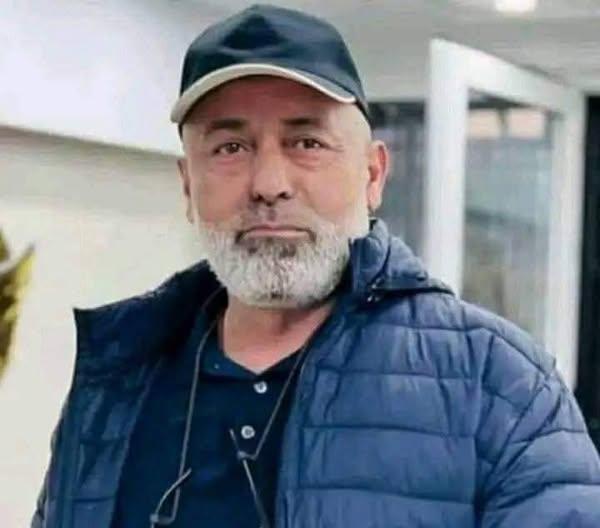
The Killing of Abdul Ghani al-Kikli: A Potential Turning Point for Libya
In a nation long plagued by political instability and armed conflict,the recent assassination of Abdul Ghani al-Kikli,a controversial militia leader,has reverberated across Libya,prompting a wave of both concern and speculation regarding the future of the country’s precarious security landscape.Al-Kikli, often referred to by his alias “Ghnewa,” was a prominent figure in the tumultuous aftermath of the 2011 revolution, balancing a complex relationship with the various factions that shape Libya’s fragmented power dynamics. His death not only signals a potential shift in the operational landscape of Libyan militias but also raises critical questions about the broader implications for governance, rule of law, and the ongoing struggle for political unity in a country still seeking stability after years of turmoil. As Libya stands at this crossroads, analysts and observers are closely examining the possible ramifications of al-Kikli’s removal, pondering whether this moment might catalyze meaningful change or further entrench the cycles of violence and division that have hindered Libya’s quest for peace.
Analyzing the Implications of Abdul Ghani al-Kikli’s Death on Libya’s Security Landscape
The assassination of Abdul Ghani al-Kikli, a prominent figure within Libya’s myriad of armed factions, holds significant implications for the nation’s already fragile security apparatus. As the leader of the powerful militia known as the Rada Special Deterrence Force, his death could lead to a power vacuum that various rival groups might attempt to exploit. These factions, which have long been engaged in a precarious balance of power, could find themselves scrambling to assert dominance, potentially leading to increased violence and instability in the capital, Tripoli. Moreover, al-Kikli’s legacy as a controversial yet stabilizing force may also prompt his followers to resist new leadership, resulting in infighting and further complicating the path towards a cohesive national security strategy.
The geopolitical landscape of Libya stands to be reshaped as external actors recalibrate their strategies in light of al-Kikli’s demise. With prominent militias often acting as proxies for regional interests, the dynamics of alliances and enmities are poised for a shift that could either exacerbate the existing chaos or open doors for diplomatic engagements. To better understand these potential ramifications, key factors are outlined below:
| Factor | Potential Outcome |
|---|---|
| Power Vacuum | Increased militia infighting and fragmentation of authority |
| External Influence | Reconfiguration of foreign alliances and support |
| Public Sentiment | Heightened calls for a unified national government |
Reassessing Militia Dynamics: The Future of Armed Groups in Post-Kikli Libya
The recent assassination of Abdul Ghani al-Kikli, a well-known militia leader, has initiated a profound reassessment of the role armed groups play in Libya’s intricate socio-political landscape. Al-Kikli’s influence was emblematic of the complexities faced by various factions, often straddling the line between local governance and outright violence. His death may lead to a significant power vacuum, which could prompt a realignment among militias, potentially attracting new factions to vie for dominance or forcing existing groups to reconsider their strategies and alliances. As local actors reflect on this pivotal moment, the dynamics between tribes, political entities, and armed groups are likely to shift, revealing both opportunities and risks in a post-Kikli Libya.
In understanding the trajectory of these militias moving forward, several factors warrant close scrutiny:
- Leadership Structures: With al-Kikli gone, will new leaders emerge to continue his legacy, or will there be a fragmentation of his faction?
- Regional Power Plays: How will neighboring regions respond to this vacuum? Will rival factions seize the moment to expand their influence?
- International Involvement: The response from global powers has never been straightforward; increased intervention or support might reshape the landscape further.
The next steps within Libya’s armed groups will either forge a pathway towards stability or plunge the nation into further turmoil, as the precedent set by al-Kikli’s assassination underscores the delicate balance of power in a nation still grappling with its past.
Pathways to Stability: Strategic Recommendations for International Engagement in Libya
The recent assassination of Abdul Ghani al-Kikli, a significant figure in Libya’s tumultuous political landscape, underscores the urgent need for strategic international engagement in the region. As factions vie for power in a nation still grappling with the remnants of civil conflict, the international community must adopt a multifaceted approach that prioritizes diplomatic dialog and local governance support. By facilitating conversations between rival groups, external actors can help establish a more coherent national strategy that aims to reduce violence and foster political unity. Additionally, investing in community-led initiatives to promote socio-economic stability will not only empower local leaders but also weaken militant influences by addressing the root causes of unrest.
To bolster these efforts, the following strategic recommendations should be considered:
- Strengthen Diplomatic Channels: Enhance cooperation with regional organizations to mediate conflicts and facilitate peace talks.
- Support Economic Reconstruction: Provide financial aid targeted at rebuilding infrastructure and creating job opportunities in war-torn regions.
- Empower Civil Society: Engage local NGOs to promote civic education and community involvement in governance.
- Monitor Human Rights: Establish frameworks for the protection of human rights and accountability for violence.
| Key Focus Areas | Potential Strategies |
|---|---|
| Political Stability | Facilitate inter-factional dialogues |
| Economic Advancement | Launch development initiatives with local actors |
| Security | Collaborate with international security forces for training |
| Human Rights | Monitor and report on violations |
Final Thoughts
the assassination of Abdul Ghani al-Kikli, a prominent figure in Libya’s intricate political landscape, may signify a pivotal moment in the country’s ongoing struggle for stability. As the nation grapples with the repercussions of his death, analysts and citizens alike will be closely monitoring the unfolding developments. Al-Kikli’s killing not only brings to the forefront the challenges of governance and security in Libya but also raises critical questions about the future of armed militias and their influence in the quest for a united state. With the international community watching, the coming weeks could prove crucial in shaping Libya’s path toward reconciliation or further unrest.As Libyans seek to navigate this uncertain terrain, the need for inclusive dialogue and comprehensive solutions has never been greater. The legacy of Abdul Ghani al-Kikli might ultimately depend on the collective response to the complexities that have long plagued this North African nation.










