
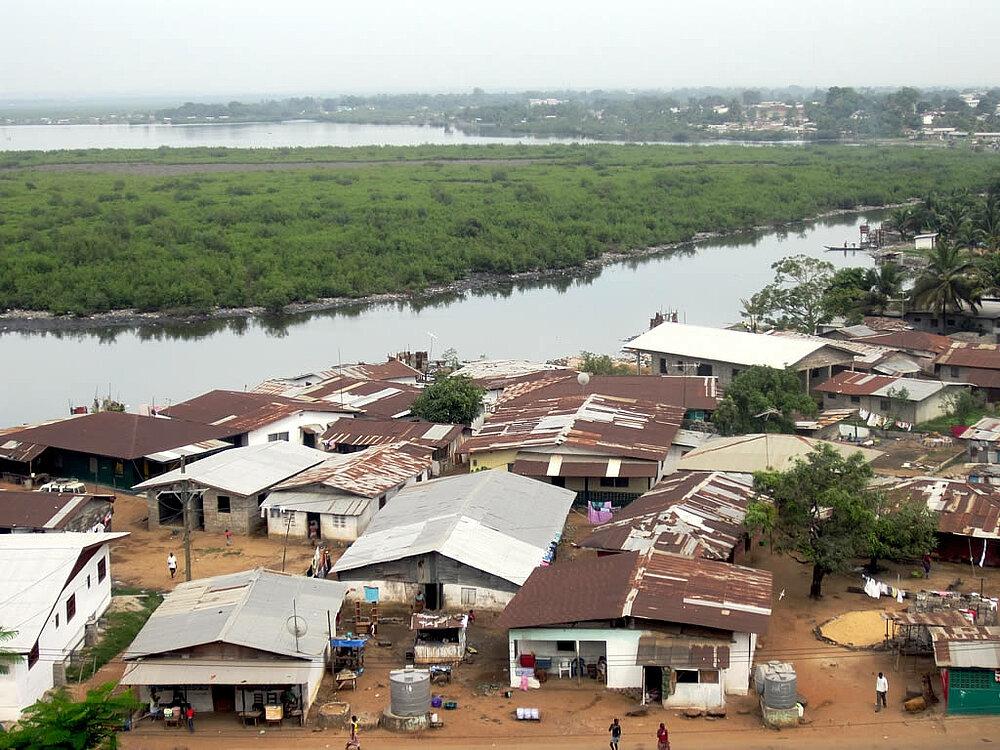
Liberia, a nation steeped in a rich historical tapestry, not only boasts a vibrant culture but also a dynamic economic landscape that reflects its unique heritage and contemporary challenges. Nestled on the west coast of Africa, this Republic has experienced a series of significant transformations since its establishment in the early 19th century, impacting its financial systems, trade dynamics, and overall economic trajectory. As we explore Liberia’s financial and trade frameworks, it becomes imperative to understand the interplay between its post-conflict recovery efforts, governance structures, and external influences. This article delves into the current state of Liberia’s economy, highlighting key sectors, trade partnerships, and the ongoing efforts to enhance economic resilience and growth in a rapidly evolving global context. Join us as we unpack the intricacies of Liberia’s financial landscape and its implications for the nation’s future prosperity.
Finance and Monetary Policy in Liberia’s Economic Landscape
The financial landscape in Liberia is characterized by a complex interplay of domestic and international forces,shaped substantially by its historical context and current policy frameworks. In recent years,the Central Bank of Liberia has sought to stabilize the national currency,the Liberian dollar,which has faced significant depreciation against major currencies. Monetary policy initiatives have focused on controlling inflation and supporting sustainable economic growth through measures such as adjusting interest rates and managing liquidity in the banking system. Key objectives of these policies include:
- Inflation control: Keeping inflation at manageable levels to stabilize purchasing power.
- Exchange rate stabilization: implementing measures to prevent excessive devaluation of the Liberian dollar.
- Financial inclusion: Expanding access to banking services for a broader segment of the population.
Trade policies in Liberia have also been shaped by the need to attract foreign investments while addressing the diverse economic challenges faced by the nation. The goverment has endeavored to promote exports, especially in sectors such as natural resources and agriculture, which are crucial for economic recovery. Key initiatives aimed at strengthening trade include:
- Investment incentives: Offering tax breaks and facilitating easier access to land for investors.
- Trade agreements: engaging in regional partnerships to enhance market access for Liberian goods.
- Infrastructure development: Improving transportation and logistics to reduce trade barriers.
| Sector | Contribution to GDP (%) |
|---|---|
| Agriculture | 30 |
| Mining | 20 |
| Services | 50 |
Trade Dynamics and Export potentials: Key Opportunities for Liberia
Liberia’s trade dynamics are evolving as the nation seeks to leverage its abundant natural resources and strategic geographical position. The country is rich in a variety of exportable commodities, making it a potential hub for trade in the West African region. Among the key exports are rubber, iron ore, and timber, which not only meet global demand but also contribute significantly to the national economy. In addition, the agricultural sector offers vast opportunities, wiht products such as cocoa, cassava, and palms serving as potential growth areas for export.Strengthening logistical frameworks and improving port facilities are essential to enhancing trade efficiency and competitiveness, enabling Liberia to effectively tap into the regional and international markets.
To maximize these opportunities, the government of Liberia is encouraged to foster partnerships with foreign investors and businesses. This includes incentive programs to attract foreign direct investment (FDI) in key sectors, which can lead to technology transfer and capacity building for local industries. Moreover, enhancing trade agreements with neighboring countries can facilitate cross-border trade and uplift local businesses. The table below summarizes the major export commodities alongside their potential markets:
| Export Commodity | Potential Markets | Key Benefits |
|---|---|---|
| Rubber | China, USA, EU | High demand for tires and industrial products |
| Iron Ore | India, China | Strong steel production needs |
| Cocoa | Europe, USA, asia | Rising demand in chocolate production |
| Timber | Asia, Europe | Growing construction and furniture industries |
Challenges and Strategies for Sustainable Economic Growth in Liberia
Sustainable economic growth in Liberia faces numerous challenges that impede progress. Among these are political instability,inadequate infrastructure,and a high dependency on primary commodities such as rubber and iron ore. Additionally, the country grapples with issues such as high unemployment rates, pervasive poverty, and limited access to financing for small and medium enterprises. The historical context of civil conflict has left scars on the economy, presenting significant hurdles in governance and public trust, which subsequently affects foreign investment and economic stability.
To overcome these obstacles, a combination of targeted strategies is essential. First and foremost, enhancing infrastructure development will facilitate trade and attract investment. Strengthening governance and regulatory frameworks can restore investor confidence while promoting transparency. Additionally, diversifying the economy through investment in sectors like agriculture, tourism, and technology can reduce reliance on conventional commodities. Encouraging public-private partnerships and improving access to financial resources for local entrepreneurs will also support innovative business solutions, driving sustainable growth.
| Challenges | Strategies |
|---|---|
| Political instability | Enhancing governance frameworks |
| Inadequate infrastructure | Investment in infrastructure development |
| High unemployment rates | Encouraging entrepreneurship |
| Poverty | Diversifying the economy |
| Limited financing | Expanding access to financial resources |
In Conclusion
Liberia’s economic landscape, characterized by its rich natural resources and strategic trade position, reveals both opportunities and challenges that shape its financial stability and growth prospects. As the nation navigates its recovery journey post-civil conflict, the interplay between agriculture, mining, and services sectors will be vital in driving sustainable development.Moreover, the government’s commitment to improving infrastructure and fostering an enabling environment for investment will play a critical role in bolstering trade relations with regional and international partners. As Liberia continues to evolve, understanding the nuances of its finance and trade landscape will be essential for stakeholders looking to engage with this west African nation. The ongoing journey highlights the resilience of the Liberian people and their determination to build a prosperous future.










