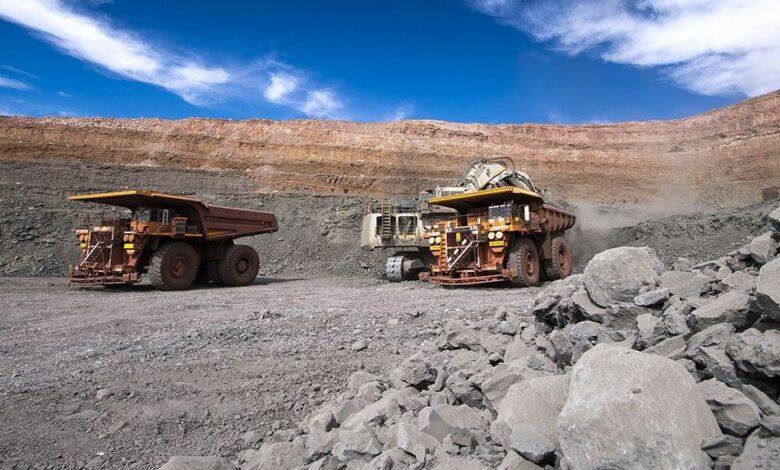
Liberia’s Mining Resurgence: From Conflict to Opportunity
In the heart of West Africa, Liberia stands at a pivotal juncture, transforming its past struggles into a promising future anchored in mining potential. Once ravaged by protracted civil conflicts that devastated its economy and infrastructure, the nation is now witnessing a resurgence of interest in its rich mineral resources. This revival is not merely a return to form; it represents a concerted effort to harness the sector as a catalyst for sustainable development and economic stability. As global demand for minerals continues to rise, Liberia’s government and industry stakeholders are working collaboratively to attract foreign investment and foster an environment conducive to growth. This article delves into the intricate dynamics of Liberia’s mining renaissance, exploring the challenges and opportunities that lie ahead as the country seeks to redefine its narrative from one of conflict to one of opportunity. Through a comprehensive lens, we examine how strategic policies, international partnerships, and local entrepreneurship are shaping the future of Liberia’s mining industry and, by extension, the lives of its people.
Liberia’s Mining Sector: Navigating Post-Conflict Challenges and Opportunities
The mining sector in Liberia has emerged from the shadows of civil conflict into a beacon of potential and growth. As the country rebuilds, strategic investments and international partnerships are paving the way for a renaissance in its rich mineral resources. Key minerals such as iron ore, gold, and diamonds are at the forefront of this resurgence. The government has recognized this opportunity, laying the groundwork for regulatory frameworks that promise transparency and sustainability in mining activities. Entrepreneurs and multinational corporations are now looking towards Liberia as a prime destination for mining ventures, spurred by a renewed sense of stability and an eagerness to reinvest in the economy.
However, along with opportunities come significant challenges that Liberia must navigate. Issues such as infrastructure deficits, environmental concerns, and community rights remain critical in harnessing the full potential of the mining sector. To address these challenges, a multifaceted approach is essential. This includes:
- Strengthening regulatory bodies to enforce environmental standards.
- Investing in transportation networks to facilitate exportation of minerals.
- Engaging local communities to ensure equitable benefits from mining activities.
As Liberia continues on this path, collaboration between the government, local communities, and global investors will be key to transforming these challenges into a solid foundation for a resilient mining sector.
Investment Climate Transformation: Attracting Global Stakeholders to Liberia’s Minerals
The evolution of Liberia’s mining sector presents a unique opportunity for global investors, driven by a revival of confidence and a commitment to sustainable practices. In recent years, the government has made significant strides in enhancing the regulatory framework, streamlining the permitting process, and fostering partnerships with the private sector. This proactive approach aims to attract foreign direct investment (FDI), which plays a crucial role in scaling operations and upgrading infrastructure. Key factors influencing this transformation include:
- Strategic partnerships: Collaborations with international entities that bring expertise and technological advancements.
- Regulatory stability: Clear guidelines and a transparent legal environment that protect investors’ rights.
- Resource potential: Abundant mineral resources, including gold, diamonds, iron ore, and bauxite, attracting diverse stakeholders.
- Sustainability focus: Commitment to environmental stewardship and community engagement, ensuring long-term benefits for local populations.
To further incentivize investment, the government is actively promoting its flagship projects, showcasing Liberia’s mineral wealth through investor roadshows and international mining conferences. By creating an investment-friendly landscape, Liberia aims to position itself as a prime destination for global mining stakeholders. The table below illustrates key mining projects and their respective contribution to the economy:
| Project Name | Mineral | Est. Investment (USD) | Projected Jobs Created |
|---|---|---|---|
| Mount Nimba Iron Ore | Iron Ore | 450 million | 1,200 |
| Gbarpolu Gold Project | Gold | 150 million | 500 |
| Putu Iron Ore | Iron Ore | 300 million | 1,000 |
Sustainable Practices in Mining: Recommendations for Responsible Resource Management
To promote sustainable mining practices in Liberia, it is essential for stakeholders to adopt a holistic approach that prioritizes environmental integrity and community well-being. Key recommendations include:
- Regulatory Frameworks: Strengthening local regulations pertaining to environmental protection, land use, and community rights to ensure that mining operations align with sustainable development goals.
- Community Engagement: Involving local communities in decision-making processes not only empowers them but also ensures that their needs and concerns are addressed, fostering a cooperative relationship with mining companies.
- Technological Innovation: Investing in sustainable mining technologies that minimize waste and reduce the ecological footprint of operations. This can include advanced exploration techniques and eco-friendly extraction methods.
- Rehabilitation Programs: Implementing and enforcing robust land rehabilitation programs post-mining to restore ecosystems and support biodiversity, thus ensuring long-term ecological balance.
Furthermore, establishing partnerships between the government, mining companies, and NGOs can facilitate shared best practices and funding for sustainable initiatives. A collaborative framework can be developed to:
- Enhance Transparency: Sharing information and data about mining impacts on communities and the environment to build trust and accountability.
- Capacity Building: Training local workers and communities in sustainable practices to enhance their skill sets and ensure that they benefit from the mining resurgence.
- Monitoring and Evaluation: Setting up clear metrics to measure the social and environmental impacts of mining activities, thus allowing for continuous improvement and adaptation of practices.
| Aspect | Importance |
|---|---|
| Environmental Protection | Ensures minimal impact on local ecosystems. |
| Social Responsibility | Builds trust and promotes community development. |
| Economic Viability | Supports long-term resource availability. |
To Wrap It Up
In conclusion, Liberia’s mining sector is undergoing a remarkable transformation, transitioning from a tumultuous past marked by conflict to a promising future characterized by opportunity and growth. Through strategic investments, regulatory reforms, and a commitment to sustainable practices, the nation is on a path to unlocking its vast mineral potential. As stakeholders, both local and international, continue to engage with Liberia’s mining landscape, the prospect of economic diversification and community development becomes increasingly tangible. While challenges remain, the resilience and determination of the Liberian people, coupled with a renewed focus on responsible mining practices, set the stage for a brighter tomorrow. As Liberia reclaims its place in the global mining arena, the world watches keenly, poised to witness how this resource-rich country can leverage its assets for the benefit of all its citizens.