
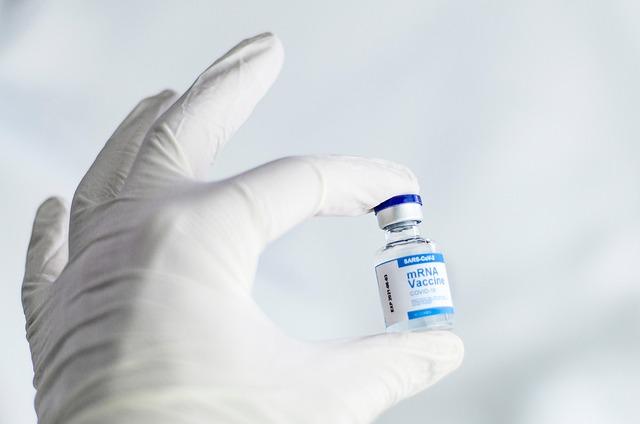
In the mountainous kingdom of Lesotho, a health revolution is quietly unfolding, underscoring the profound impact of vaccination on community wellbeing. As measles outbreaks pose a significant threat to children’s health, the recent efforts spearheaded by Gavi, the Vaccine Alliance, have proven instrumental in not only saving lives but also enhancing economic stability within the nation. Measles, a highly contagious virus, can lead to severe complications, disproportionately affecting vulnerable populations. However, with increased access to vaccination programs, Lesotho is witnessing a decline in reported cases, significantly reducing the burden on healthcare systems. In this article, we delve into how the strategic deployment of measles vaccines in Lesotho is not only safeguarding the future of its youngest citizens but also fostering a healthier society and more resilient economy, ultimately proving that investing in immunization is a commitment to a brighter future for all.
Measles Vaccination in Lesotho: A Lifesaving Initiative for Communities
Measles, a highly contagious viral infection, continues to pose serious health risks, especially in regions with limited access to healthcare. In Lesotho, the implementation of vaccination campaigns has been a transformative public health initiative. With Gavi, the Vaccine Alliance at the forefront, communities are seeing a significant reduction in measles cases. The initiative not only provides essential immunization but also enhances community awareness about the importance of vaccines, fostering a culture of health and safeguarding future generations. The results are evident: overwhelming support from parents and a notable decrease in hospital visits related to measles complications.
Moreover, the benefits extend beyond health; they resonate through economic improvements as well. By preventing measles outbreaks, the vaccination program saves time and resources that would otherwise be spent on treatment and hospitalization. This leads to a more productive community where parents can spend less time tending to sick children and more time contributing to their households. Key advantages of the vaccination initiative include:
- Enhanced Child Health: Reduces morbidity and mortality in children.
- Cost-Effective: Decreases healthcare costs related to measles treatment.
- Community Resilience: Builds a healthier population prepared to face other health challenges.
| Impact Area | Before Vaccination | After Vaccination |
|---|---|---|
| Measles Cases | Over 1000 per year | Less than 100 per year |
| Healthcare Costs | High due to hospitalizations | Significantly lowered |
| Parental Time | Hours spent on care | More time available for work |
Economic Benefits of Vaccination: Saving Time and Money in Health Systems
Vaccination plays a crucial role in enhancing the efficiency of health systems and reducing economic burdens, particularly in low-resource settings like Lesotho. By preventing measles outbreaks, the vaccination program not only protects individual health but also minimizes the overall costs associated with disease management. The direct financial benefits include:
- Lower healthcare costs due to reduced hospitalizations and treatments for measles.
- Minimized workforce absenteeism, allowing parents and caregivers to devote more time to their jobs.
- A decrease in the need for emergency response measures, which can strain local health systems.
Moreover, the impact of vaccination extends beyond immediate health concerns; it strengthens community resilience. When children are vaccinated, the likelihood of widespread disease transmission diminishes significantly. This approach not only offers significant savings in healthcare but also frees up resources for other essential services. Key long-term economic advantages include:
| Economic Advantage | Impact Description |
|---|---|
| Increased Productivity | Healthier populations contribute actively to the economy. |
| Reduced Out-of-Pocket Expenses | Families can allocate their finances towards education and other vital needs. |
| Enhanced Quality of Life | Stronger public health fosters overall community well-being. |
Strengthening Immunization Efforts: Recommendations for Sustainable Health Practices
The impact of enhanced immunization efforts in Lesotho has been profound, highlighting the urgent need for sustainable health practices. By prioritizing measles vaccination, communities are reaping significant benefits that extend beyond immediate health outcomes. With rigorous vaccination campaigns, children are not only protected from the deadly virus but also contribute to a broader reduction in healthcare costs. Investing in vaccination can lead to a decrease in hospital visits and treatment expenses, ensuring that resources are allocated more effectively within the healthcare system. This investment translates to economic advantages, paving the way for families to spend their time and resources on education and livelihoods instead of medical emergencies.
Furthermore, strengthening immunization initiatives can bolster community building and foster a sense of collective responsibility. By optimizing collaboration between healthcare providers, local governments, and community organizations, vaccination efforts can be more inclusive and accessible. Key recommendations for improving these initiatives include:
- Community Engagement: Foster trust through awareness campaigns that educate families about the importance of vaccines.
- Accessibility: Ensure vaccines are available in remote areas by mobile clinics or community vaccination drives.
- Data Monitoring: Implement robust tracking systems to monitor vaccination rates and trends for informed decision-making.
To further illustrate the economics of vaccination in Lesotho, the following table highlights the cost savings associated with measles vaccination:
| Category | Cost Savings per Child |
|---|---|
| Hospitalization Cost | $500 |
| Treatment Costs | $300 |
| Lost Workdays | $200 |
| Total Savings | $1000 |
Establishing a sustainable model for immunization not only safeguards future generations from preventable diseases like measles but also reinforces the social fabric of communities in Lesotho, ultimately leading to a healthier, more productive society.
Wrapping Up
In conclusion, the remarkable impact of measles vaccination programs in Lesotho highlights the critical intersection of public health, economic stability, and community resilience. Through initiatives supported by Gavi, the Vaccine Alliance, thousands of lives are not only saved but also spared from the debilitating consequences of preventable diseases. The efficiency of these vaccination efforts contributes to significant time and financial savings for families and healthcare systems alike, fostering a healthier population capable of thriving in a challenging environment. As Lesotho continues on this path of strengthened immunization, it sets a vital example for other nations striving to improve health outcomes and create a sustainable future for their citizens. The imperative remains clear: investment in vaccination is an investment in the lifeblood of societies, ensuring that every child has the opportunity to grow up healthy and contribute to their communities.










