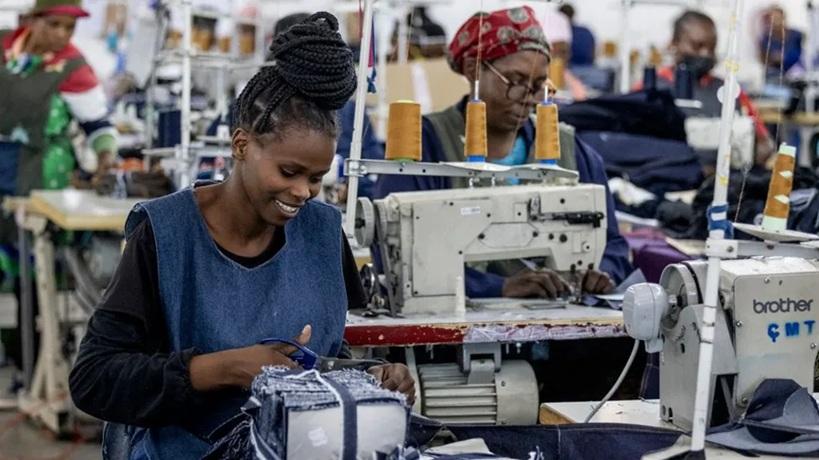
In a bid to navigate the complexities of international trade,Lesotho is seeking a dialog with the United States regarding recent tariffs imposed on jeans imports. This initiative comes in the wake of confusion and concern among local manufacturers who rely heavily on the U.S. market for their denim products. As a key player in the African Growth and Opportunity Act (AGOA), Lesotho has traditionally benefited from tariff-free access to the U.S. for a variety of exports, including textiles. However, the introduction of new tariffs threatens to disrupt this vital economic lifeline. With the hope of stabilizing their economy and preserving jobs in the garment sector, Lesotho’s government is looking to engage constructively with U.S. officials to address these challenges. This article explores the implications of the tariffs on Lesotho’s economy and the potential outcomes of this diplomatic effort.
Lesotho’s Quest for Clarity on US Jeans Tariffs Amid Trade Uncertainties
Lesotho, a small landlocked country in Southern Africa, is grappling with rising uncertainties surrounding U.S. tariffs on jeans, a key export for its economy. The government has expressed concern that recent changes in trade policies may jeopardize its burgeoning textile sector, which relies heavily on access to the American market. In light of this, officials are seeking to engage directly with U.S. counterparts to clarify tariff-related issues. The potential for increased tariffs could have dire implications, not only inhibiting exports but also impacting thousands of jobs within the country.
Several vital points underline Lesotho’s engagement efforts:
- Economic Dependency: The textile industry is vital for Lesotho, accounting for a significant portion of export earnings.
- Job Security: A surge in tariffs could lead to layoffs and diminished economic opportunities for workers.
- International Relations: Strengthening ties with the U.S. is essential for securing favorable trade conditions.
| Impact of Tariff Changes | Potential Consequences |
|---|---|
| Increased Tariffs | Reduced competitiveness of Lesotho’s jeans |
| Job Losses | Higher unemployment rates among textile workers |
| Investment Withdrawal | Possible exit of foreign investors from Lesotho’s market |
Impact of Tariffs on Lesotho’s Economy and Local Textile Industry
The recent discussions surrounding tariffs on imported jeans have cast a shadow on Lesotho’s economy, notably affecting its local textile industry. With a significant portion of the nation’s GDP reliant on garment manufacturing, the implications of heightened tariffs could be far-reaching. The textile sector not only provides employment for thousands but also serves as a vital source of foreign revenue.Key impacts of tariff changes include:
- Reduction in Competitiveness: Increased tariffs on exports could make Lesotho’s jeans less appealing in the global market, undermining local producers.
- Job Losses: A downturn in export sales may result in layoffs, disproportionately affecting female workers who dominate the textile workforce.
- Supply Chain Disruptions: Fluctuations in tariff rates can lead to instability in supply chains, making it arduous for manufacturers to plan for future production.
Furthermore, Lesotho’s government is eager to engage with U.S. officials to negotiate terms that could alleviate some of the pressures facing the textile industry. Officials emphasize the need for an agreement that supports job creation and sustainable economic growth. A proposed framework for potential collaboration might include:
| Collaboration Areas | Expected Outcomes |
|---|---|
| Capacity Building | Enhanced skills in textile manufacturing. |
| Market Access | Improved competitiveness in U.S. markets. |
| Trade Agreements | Stability in tariff rates fostering long-term investment. |
Strategies for Enhancing Engagement with US Trade Officials to Mitigate Adverse Effects
To effectively engage with US trade officials, a multifaceted approach is necessary. First and foremost, building strong relationships through consistent interaction can pave the way for more productive discussions.This includes:
- Organizing regular meetings to share insights and updates on trade practices.
- Inviting US trade officials to Lesotho to foster a better understanding of local circumstances and challenges.
- Establishing a network of stakeholders to present a united front on issues impacting the industry.
Moreover, leveraging data to underline the economic interdependence between Lesotho and the US can bolster arguments against unfavorable tariffs. Presenting precise, impactful statistics in a clear format will help convey the meaning of denim exports to both countries.Consider utilizing tables to illustrate:
| Category | Lesotho Exports to US ($ million) | Percentage of Total Exports |
|---|---|---|
| Denim Products | 150 | 30% |
| Textiles | 100 | 20% |
| Footwear | 50 | 10% |
| Other Goods | 250 | 40% |
In Retrospect
Lesotho’s engagement with the United States regarding jeans tariffs highlights the intricate dynamics of international trade and its profound impact on small economies. As the nation grapples with the implications of these tariffs, it seeks not only to safeguard its textile industry but also to foster a dialogue that could lead to more favorable conditions for its exports. The outcome of these discussions will be critical not only for Lesotho’s economic future but also for the broader context of U.S.-Africa trade relations. As the global market continues to evolve, the decisions made in this engagement will resonate far beyond the borders of Lesotho, potentially setting a precedent for similar economies navigating the complexities of international trade policies.