
Landlocked Lesotho Faces Connectivity Challenges as Air Service Comes to a Halt
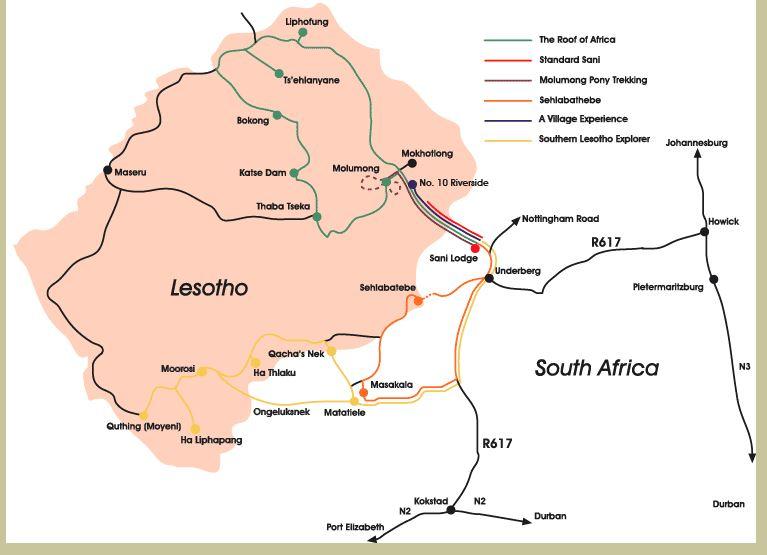
In a significant development for the Kingdom of Lesotho, the country’s air service has been suspended, leaving this landlocked nation grappling with a critical loss of connectivity. Located entirely surrounded by South Africa, Lesotho has long relied on air travel to connect its citizens and foster economic ties with the outside world. The cessation of airline operations poses profound implications for trade, tourism, and access to essential services for the Basotho people. As discussions unfold regarding potential solutions, this article delves into the impacts of this air service disruption and the broader ramifications for a nation that finds itself increasingly isolated in an interconnected world.
Implications of Air Service Suspension on Lesotho’s Economy and Connectivity
The recent suspension of air services has cast a shadow over Lesotho’s economic landscape, further isolating a nation already constrained by its landlocked geography. Businesses, especially those relying on tourism and exports, face direct impacts as cargo shipments become less reliable. Local entrepreneurs who previously depended on air transport for speedy access to international markets now find themselves at a significant disadvantage. The exports of key products such as textiles and handicrafts, which contributed heavily to the country’s GDP, are especially vulnerable to this disruption. As air connectivity diminishes, so does the ability of the nation to attract foreign investment, thereby curtailing economic growth potential.
Connectivity issues extend beyond business and trade; they also affect citizens’ mobility and access to essential services. For many Basotho, the inability to travel by air limits opportunities for education and healthcare, particularly for those needing specialized treatment unavailable within the country. The reduction in direct access to international destinations creates a ripple effect, leading to increased travel costs and time for those seeking international connections via neighboring countries.In the long run, the overall reduction in connectivity may hinder Lesotho’s potential for integration into regional and global markets, raising concerns about long-term economic stability.
Exploring Alternative Transportation Methods for Landlocked Lesotho
In light of the recent cessation of air services, Lesotho faces a unique challenge that requires innovative solutions to ensure the mobility of its people and goods. The reliance on road transportation is increasing, and with it comes the need to enhance existing infrastructure. The country could benefit from developing a network of high-quality roads and public transit systems that connect major towns and rural areas. Options to consider include:
- Bus Services: Expanding intercity and rural bus services can provide an affordable means of transportation.
- Bicycle Rentals: Encouraging bicycle rentals and shared bike programs promotes eco-kind travel.
- Carpooling Initiatives: Establishing platforms for carpooling can considerably reduce travel costs.
- Taxi Services: Enhancing the taxi service system with regulations can improve safety and efficiency.
Alongside road improvements,exploring alternative transportation methods could offer additional avenues for mobility. These methods may include leveraging the country’s natural resources such as rivers for small-scale water transport or investing in electric vehicle (EV) infrastructure. This not only promotes sustainability but also positions Lesotho to attract tourism with eco-conscious travel options. A strategic analysis of potential transportation investments could pave the way for a more integrated approach, fostering economic growth and facilitating personal movement in this landlocked nation.
| Transportation Method | Benefits |
|---|---|
| Bus Services | Cost-effective, reduces congestion |
| Bicycle Rentals | Eco-friendly, promotes health |
| Carpooling | Saves costs, reduces carbon footprint |
| Water Transport | Utilizes natural resources, tourism potential |
| Electric Vehicles | Sustainable, modernizes transport sector |
Strategies for Reviving Air Travel and Enhancing Tourism in Lesotho
As Lesotho seeks to revitalize its air travel industry and boost tourism, several strategic initiatives could pave the way for scenic routes to flourish once more. One key approach involves collaborating with regional airlines to create a network of connectivity that includes partnerships with other countries. By engaging in revised air service agreements, Lesotho can facilitate direct flights to major tourist destinations in Southern Africa, making the country more accessible. Additionally, enhancing the infrastructure of the existing airports will be crucial, including upgrading terminal facilities and improving navigational aids to create a welcoming experience for travelers.
Furthermore, promoting Lesotho as a premier adventure tourism destination can draw international attention. Highlighting activities such as hiking in the Maluti Mountains, cultural experiences in traditional Basotho villages, and the possibility to explore unique ecosystems can attract a broader audience. A well-structured tourism campaign that integrates promotional efforts through social media and travel expos can significantly amplify interest. Establishing incentives for travel agencies to package tours of Lesotho with neighboring countries could also spark increased visitation and pave the way for economic recovery through tourism.
Concluding Remarks
the cessation of air service in landlocked Lesotho marks a significant challenge for its connectivity and economic prospects.As the nation grapples with the implications of losing this critical mode of transport, stakeholders must explore alternative solutions to improve access and foster growth. The situation underscores the vulnerabilities faced by landlocked countries and highlights the need for innovative strategies to enhance regional cooperation and infrastructure development. As Lesotho navigates this turbulent period, the focus will undoubtedly shift to ensuring that its citizens and businesses remain connected to the wider world, underscoring the importance of reliable transportation networks in sustaining national development. AirlineGeeks.com will continue to monitor this situation closely, providing updates and insights as they unfold.










