
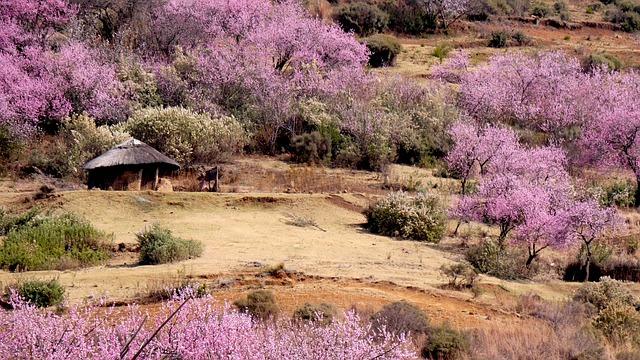
In the mountainous heart of Southern Africa, the small kingdom of Lesotho has become a focal point for a contentious debate over environmental integrity and social justice. Communities on the fringes of the massive water transfer project aimed at supplying South Africa have raised alarm bells, accusing authorities of greenwashing-an attempt to portray environmentally friendly initiatives that overlook the profound social injustices faced by local populations. as lush highland resources are diverted to quench South Africa’s thirst, the implications for Lesotho’s environment and its people remain profoundly complex. This article delves into the claims of affected communities, exploring the intersection of environmental sustainability, corporate accountability, and the rights of those living in the shadow of one of africa’s largest infrastructure projects. With voices ofen marginalized in the narratives of progress, the residents of this small nation are demanding accountability and transparency, questioning whether their invaluable resources are being exploited under the guise of ecological stewardship.
allegations of Greenwashing in Lesotho’s Water Transfer Project
Residents of Lesotho are voicing concerns over alleged greenwashing amid the controversial water transfer project designed to supply South Africa with fresh water. Activists claim that the project is being marketed as a sustainable solution, promising environmental benefits while, in reality, it threatens local ecosystems and displaces communities. The government has touted the initiative as a means to foster both growth and environmentally friendly practices; however, many locals argue that the social and ecological costs have been overlooked.
Community members emphasize several key issues that contribute to their suspicions of greenwashing:
- The depletion of local water resources – Critics argue that diverting water to South Africa jeopardizes the waterways that sustain rural communities in Lesotho.
- Insufficient community consultation – Many residents feel excluded from the decision-making processes that affect their lands and livelihoods.
- Compensation and displaced communities – Allegations have surfaced regarding inadequate compensation for those displaced by the project, leading to further grievances and distrust.
These allegations have cast a shadow over the project’s stated environmental goals, prompting calls for greater transparency and accountability from both government officials and corporate stakeholders involved. As the project progresses, the need for genuine engagement with local populations has become increasingly urgent, as has the demand for sustainable practices that prioritize the welfare of Lesotho’s communities.
Impacts on Local Communities and Environmental Concerns
The communities in Lesotho are raising alarm over the perceived consequences of a contentious water transfer project designed for south Africa. Local residents argue that while the initiative is presented as a means to foster regional cooperation and development, its real impact has been to marginalize their needs and destroy local ecosystems. Essential resources, such as access to clean water and farming land, are under threat due to the ongoing extraction of water for export. The fast-tracked construction of dams and infrastructure necessary for this project also casts a shadow over the livelihoods of those dependent on these natural resources.
Moreover, the environmental implications of this water transfer scheme spark serious concerns among residents and environmental advocates alike. Key issues include:
- Aquatic biodiversity loss due to altered water flow and increased sedimentation.
- soil degradation resulting from displacement of local agriculture.
- Increased pollution levels from industrial activity associated with water processing.
These factors contribute to an alarming deterioration of local ecosystems, raising questions about the sustainability of such projects that seemingly prioritize economic gain over the well-being of affected communities and the environment.
Recommendations for Transparent and Sustainable Water Management Practices
To address the pressing concerns raised by the Lesotho communities regarding water management and potential exploitation,several practices can be recommended to ensure both transparency and sustainability. First and foremost, it is essential to establish community engagement mechanisms that actively involve local populations in decision-making processes. This can include:
- Regular public consultations to gather input from affected residents.
- Collaborative workshops focusing on water rights and management strategies.
- Access to project plans and environmental impact assessments to foster accountability.
Moreover, implementing robust monitoring systems can significantly enhance the integrity of water management practices. transparency can be further improved through the adoption of technologies that allow real-time data sharing, empowering communities to track water usage and assess the ecological impacts of projects. Additional steps should include:
- Independent audits of water transfer agreements to evaluate their social and environmental implications.
- Long-term commitments to restore and protect local ecosystems affected by water extraction.
- Development of educational programs to inform communities about sustainable practices and potential risks associated with large-scale water projects.
Concluding Remarks
the allegations of greenwashing surrounding the water transfer project between Lesotho and South Africa underscore the complex interplay of environmental sustainability, local community rights, and international resource management. As communities in Lesotho voice their concerns about the potential long-term impacts on their water resources and livelihoods, it becomes imperative for stakeholders-including governments, organizations, and the private sector-to prioritize transparency and accountability in these initiatives. The ongoing discourse not only highlights the need for equitable resource distribution but also serves as a critical reminder of the importance of engaging with local communities in the planning and execution of projects that significantly impact their environment and way of life. The path forward requires a balanced approach that respects both human and ecological needs, ensuring that efforts to address water scarcity do not come at the expense of vulnerable populations. As the situation unfolds, it will be essential for various parties to critically evaluate their commitments to sustainability, equity, and genuine partnership in the face of growing environmental challenges.










