
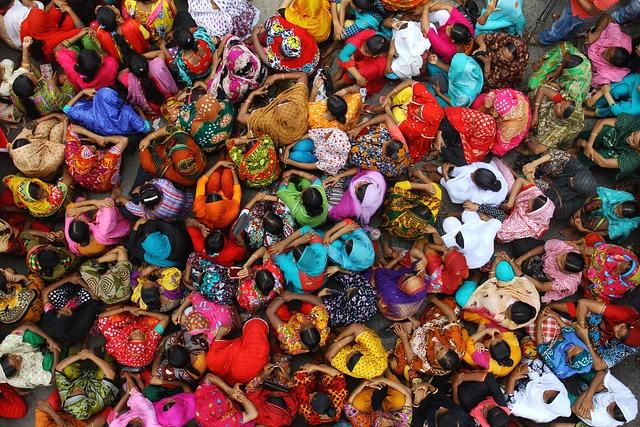
In recent years, the narrative surrounding women’s financial access has shifted from one of mere inclusion to a recognition of its potential to drive substantial economic growth. In Lesotho, a small landlocked nation in Southern Africa, this shift could be transformative. The World Bank highlights that empowering women financially is not just a matter of gender equality; it is a strategic imperative that can catalyze economic development and foster resilience in local communities. As women increasingly gain access to banking services, loans, and financial education, the potential for entrepreneurship and innovation expands, leading to a ripple effect that benefits entire economies. This article delves into the crucial role that women’s financial empowerment plays in propelling Lesotho’s economic landscape forward, exploring the challenges, opportunities, and the ongoing efforts to bridge the financial divide. Through an examination of grassroots initiatives and policy frameworks, we aim to illuminate how fostering women’s financial access can reposition Lesotho on the path to sustainable growth and prosperity.
Empowering Women Through Financial Inclusion to Drive Economic Growth in Lesotho
Financial inclusion serves as a cornerstone for transforming the economic landscape of Lesotho, particularly for women who have historically faced barriers to accessing financial services. By improving women’s access to finance, we unlock a plethora of opportunities that can invigorate not just their individual livelihoods but the broader economy as well. Enhanced access to resources enables women to start and expand businesses, which in turn creates jobs and stimulates local markets. Some key benefits of empowering women economically include:
- Increased Household Income: Financial independence allows women to contribute significantly to their family’s income.
- Business Development: Access to credit fosters entrepreneurship among women, leading to innovation and diverse economic activities.
- Community Reinforcement: Empowered women often invest back into their communities, funding education and health initiatives.
Moreover, when women participate in economic activities, they bring unique perspectives and solutions to the table, driving sustainable growth. Financial institutions can play a pivotal role by designing products and services tailored to the specific needs of women. For example, creating microloans with flexible repayment options or savings programs that encourage savings habits can significantly boost participation. Below is a summary of effective strategies for enhancing women’s financial inclusion:
| Strategy | Impact |
|---|---|
| Microfinance Initiatives | Enable access to small loans for starting businesses |
| Financial Literacy Programs | Equip women with essential money management skills |
| Digital Banking Solutions | Increase access to banking services in remote areas |
Barriers to Financial Access: Addressing Challenges Faced by Women Entrepreneurs
The financial landscape for women entrepreneurs in Lesotho is fraught with challenges that stem from deep-rooted systemic barriers. These obstacles can significantly hinder their ability to secure necessary funding and resources for their businesses. Key issues include:
- Lack of collateral: Many women do not possess the assets needed to meet traditional banking requirements, thereby excluding them from accessing loans.
- Limited financial literacy: A disparity in education and access to financial advisory services often leaves women ill-equipped to navigate the complex financial systems.
- Social norms: Cultural perceptions that underestimate women’s financial capabilities can lead to a lack of confidence among female entrepreneurs when seeking investment.
Addressing these barriers is crucial for fostering an inclusive financial ecosystem. Initiatives to support women’s entrepreneurship can take various forms, such as:
- Tailored financial products: Developing loan products specifically designed for women, with flexible terms and conditions that acknowledge their unique challenges.
- Capacity-building programs: Implementing workshops focused on enhancing financial literacy and business management skills among women.
- Networking opportunities: Creating platforms for female entrepreneurs to connect with mentors and peers who can provide guidance and support.
Strategies for Sustainable Development: Harnessing Women’s Economic Potential in Lesotho
Empowering women economically is not just a social imperative; it is a catalyst for sustainable development in Lesotho. Access to financial resources allows women to invest in their own enterprises and contribute to the local economy. Key strategies include:
- Microfinance Programs: Expanding microloans tailored for women entrepreneurs can provide the necessary capital for starting and scaling their businesses.
- Financial Literacy Training: Developing comprehensive programs to enhance the financial knowledge of women can help them make informed decisions about saving and investing.
- Support for Agricultural Initiatives: Promoting women-led agricultural projects ensures food security while boosting both local economies and women’s income.
Furthermore, creating partnerships between governmental bodies, NGOs, and the private sector can facilitate the establishment of an inclusive financial ecosystem. To visualize the impact of women’s financial inclusion, consider the following table:
| Strategy | Benefits |
|---|---|
| Microfinance Initiatives | Access to capital for female entrepreneurs |
| Financial Literacy Programs | Empowerment through informed financial decisions |
| Support for Agricultural Projects | Increased food security and income generation |
By embracing these strategies, Lesotho can unlock the economic potential of women, thereby fostering a more resilient and sustainable future for all its citizens.
In Summary
In conclusion, enhancing women’s financial access is not just a matter of equity; it is a strategic imperative for boosting economic growth in Lesotho. By addressing the barriers that hinder women’s participation in the financial system and empowering them with the resources and tools to thrive, Lesotho stands to unlock a wealth of potential that can benefit the entire economy. As highlighted by the World Bank, investing in women’s financial inclusion can spur entrepreneurship, increase household incomes, and promote sustainable development. For policymakers, business leaders, and civil society alike, prioritizing initiatives that support women’s economic empowerment will be crucial in fostering a more inclusive and resilient economic landscape for Lesotho’s future. The path forward is clear: by investing in women, we invest in a brighter tomorrow for all.










