
Tragic Lion Attack Near Nairobi national Park: A Call for Action
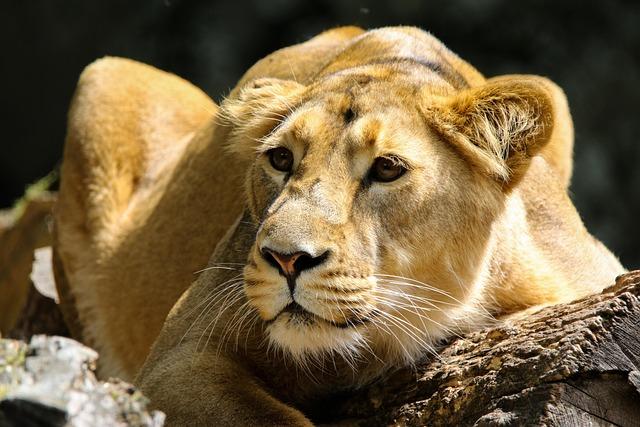
A heartbreaking event has captured global attention as a 14-year-old girl lost her life to a lion near Nairobi National Park, Kenya. This incident raises significant alarms regarding the safety of communities that reside close to wildlife reserves. The attack occurred while the girl was reportedly collecting firewood, highlighting the intricate challenges of human-wildlife interactions in areas where urban expansion encroaches on natural habitats. Local officials now face the daunting challenge of managing an increase in such encounters while striving to preserve Kenya’s diverse ecosystems. This tragedy not only emphasizes the risks associated with wildlife in shared environments but also sparks essential conversations about population growth, habitat degradation, and the pressing need for effective wildlife management practices.
Understanding the Lion Attack: Context and Implications
The recent fatal encounter near Nairobi National Park has drawn widespread scrutiny and raised pivotal questions about human-wildlife dynamics.On that tragic day, witnesses reported that the young girl was with friends when a lion emerged from within park boundaries, leading to a devastating confrontation. Eyewitness accounts describe chilling cries for help during this harrowing moment. In response to this incident, local authorities are compelled to confront escalating safety concerns surrounding regions adjacent to wildlife territories.
To prevent similar tragedies from occurring in the future, it is crucial to comprehend these complex interactions fully. Contributing factors include:
- Habitat Encroachment: Expanding human settlements diminish available space for wild animals.
- Lack of Awareness: Many residents lack knowledge regarding safety protocols when living near wild fauna.
- Ineffective Wildlife Management: Insufficient resources dedicated to monitoring animal populations can lead to unexpected encounters.
To reduce risks effectively, officials must engage local communities by implementing educational initiatives focused on understanding wildlife behavior and promoting coexistence strategies. Such efforts are vital for ensuring both human safety and respect for nature.
Strategies for Enhancing Community safety Near national parks
The unfortunate loss of life near Nairobi National Park highlights an urgent need for robust safety measures aimed at protecting communities living close to wildlife habitats. To alleviate conflicts between humans and animals, it is essential to adopt a blend of community education initiatives alongside physical deterrents against wildlife intrusion. Local authorities can spearhead programs designed specifically to inform residents about potential animal encounters and also best practices for peaceful coexistence through key actions such as:
- Wildlife Awareness Campaigns: Organizing workshops and informational sessions focused on educating locals about animal behavior.
- Crisis dialog Channels: Establishing alert systems that keep communities informed about nearby wildlife movements or behavioral changes.
- Crowdsourced Reporting Systems: Creating platforms where community members can quickly report sightings or incidents involving wild animals.
Apart from awareness campaigns, constructing barriers designed specifically against wildlife incursions around populated areas could considerably lower chances of risky encounters occurring. Innovative fencing designs tailored towards local ecological conditions may help deter hazardous species while allowing safe passageways for non-threatening ones—collaboration with experts will be key in developing these solutions effectively.
A proposed action plan might encompass:
| Description | Aim | Pursued Outcome |
|---|---|---|
| Enduring Fencing Solutions | Deter access by wild animals into residential zones | Diminished frequency of attacks by fauna |
Examining Human-Wildlife Conflict: Risks Faced by Local Residents & Potential Solutions
This tragic event outside Nairobi National Park underscores an escalating issue concerning human-wildlife conflicts—especially prevalent where urban development intersects with natural ecosystems.As more people settle within conventional animal territories,the likelihood increases dramatically that they will encounter species like lions.This situation especially endangers vulnerable groups such as children who may find themselves at risk.The repercussions extend beyond loss; they instill fear among those cohabiting these spaces frequently enough resulting retaliatory measures against local fauna populations.
Tackling these conflicts necessitates a complete strategy prioritizing both public safety alongside conservation efforts.Potential approaches include: The heart-wrenching incident involving a young girl’s death due largely due proximity between lions & residential areas serves as stark reminder regarding dangers inherent when living closely alongside untamed nature.as Kenya continues celebrating it’s rich biodiversity attracting tourism research alike,this tragedy accentuates immediate necessity surrounding effective management strategies addressing human-animal conflict.The Kenyan government conservationists together must collaborate enhancing protective measures educating citizens how best navigate their lives intertwined within wilderness realms.As this sorrowful narrative resonates throughout affected communities,it reinforces delicate balance existing between safeguarding lives conserving precious ecosystems.
–










