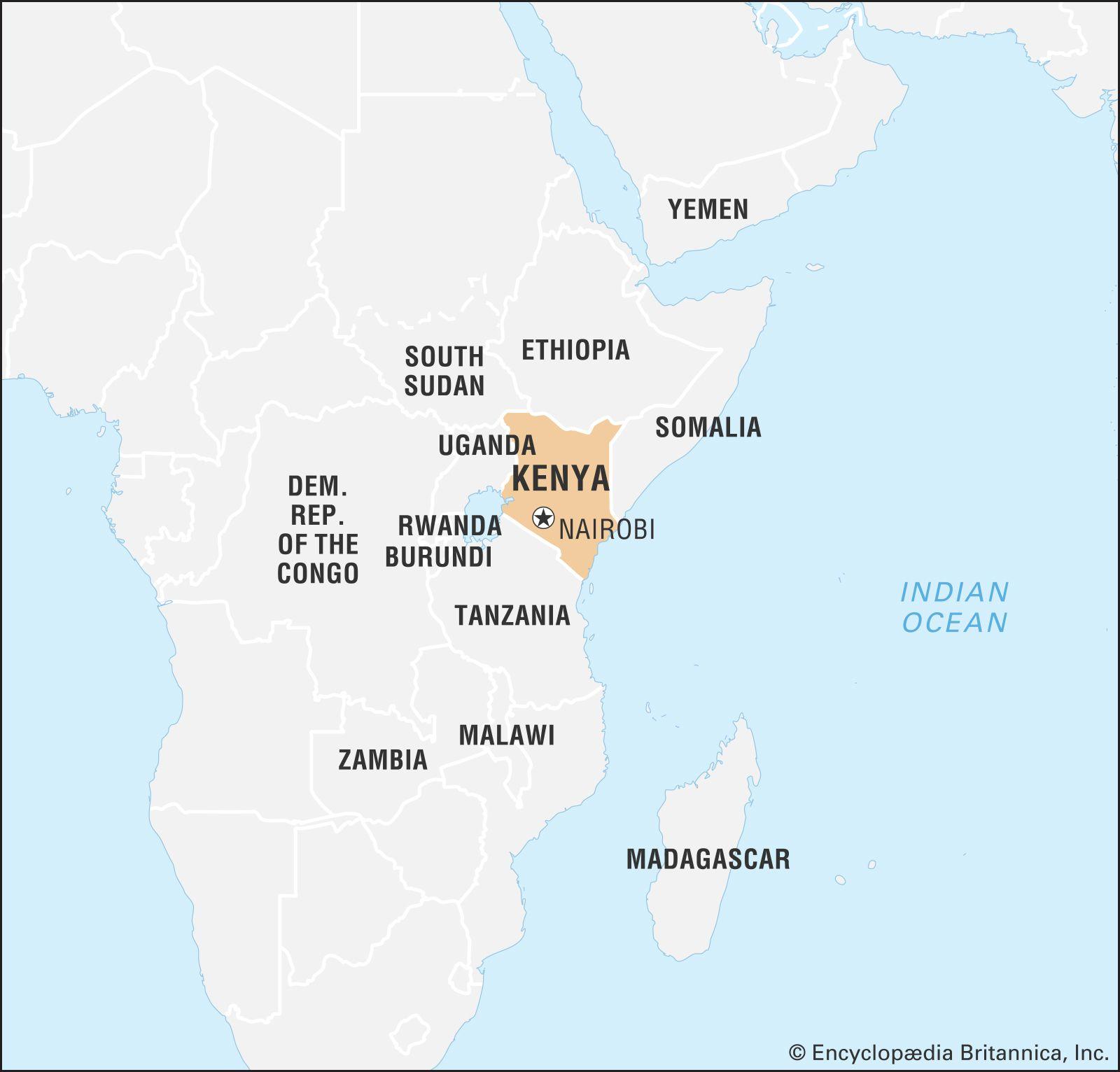
Kenya: Navigating the Journey Towards Justice and Reconciliation with the International Centre for Transitional Justice
Located in East Africa, Kenya stands at a crucial juncture in its history, grappling with the remnants of historical violence while seeking pathways to justice and reconciliation. The International Center for Transitional Justice (ICTJ) plays a vital role in this complex landscape, advocating for accountability, truth-seeking, and healing after periods marked by political turmoil and human rights violations. Founded to support nations transitioning from conflict to peace, ICTJ collaborates with local communities, policymakers, and civil society organizations to implement reforms that address long-standing injustices. This article delves into ICTJ’s efforts in Kenya aimed at promoting transitional justice, encouraging dialog among diverse stakeholders while laying a foundation for a more equitable society. As Kenya continues its journey towards addressing past grievances, ICTJ’s initiatives underscore the critical connection between justice and lasting peace as it aspires for a brighter future for all citizens.
Kenya’s Journey Towards Accountability through Transitional Justice
The quest for justice in Kenya is deeply influenced by an intricate tapestry of historical events intertwined with sociopolitical factors. The violent aftermath of the 2007-2008 post-election crisis highlighted an urgent need for mechanisms capable of addressing past atrocities while promoting national healing. As discussions surrounding transitional justice evolve among various stakeholders, ICTJ has emerged as a key player. Its collaboration with local communities alongside civil society organizations and government bodies is essential to drive necessary reforms rooted in truth-telling and reconciliation efforts. Core elements of this initiative include:
Truth-Seeking Mechanisms: Establishing commissions dedicated to uncovering facts about human rights abuses.
Victim-Centric Frameworks: Prioritizing victims‘ voices throughout all processes.
Advocacy for Legal Reforms: Promoting legislative changes that enhance accountability measures.
The path toward effective transitional justice encounters numerous challenges such as political resistance coupled with societal divisions. Engaging youth along with marginalized groups is crucial since they often bear the brunt of ongoing cycles of violence. The ICTJ emphasizes inclusive dialogues that reflect diverse Kenyan experiences; acknowledging these varied narratives can bolster both legitimacy and effectiveness within transitional justice frameworks. This collaborative approach aims at establishing accountability through:
Main Strategies
Aims Achieved
Civic Engagement Programs
A rise in grassroots awareness alongside active participation.
“
“Rights Education Initiatives”
”
“
“Empowering citizens to advocate effectively for their rights.”
”
”
“
”
“
“International Collaborations”
”
“
“Strengthening capacity building within judicial initiatives.”
”
“
”
Obstacles Facing ICTJ’s Efforts in Kenya
The endeavors undertaken by ICTJ within Kenya face several meaningful hurdles impeding its mission towards achieving goals related to justice accountability. A fragmented political environment characterized by persistent ethnic tensions complicates reconciliation efforts considerably.
Key challenges include:
“
Diverse Political Landscape:The lack of genuine commitment from leaders often stalls reform agendas aimed at addressing historical injustices.
”
“
Lack Of Public Awareness:A considerable portion remains uninformed about their rights or available transitional mechanisms designed specifically for them.
”
“
Lack Of Resources :Poor funding levels combined with logistical hurdles impede complete outreach programs.”
“
”
Additonally ,the ICTJ faces legal barriers which complicate its objectives.Concerns regarding judicial independence have raised questions affecting prosecutions related human rights violations .
Other pressing issues encompass :
” li >< b >Protection For Victims :< / b >Ensuring safety security victims witnesses remains paramount yet inadequately addressed.< / li >”
” li >< b >Community Distrust :< / b >Skepticism towards governmental institutions leads many victims reluctant engage processes related transitionals justices.< / li >”
” li >< b >Incorporation Local Perspectives :< / b >Integrating conventional dispute resolution methods into formal systems presents ongoing difficulties.< / li >
Strategies To Strengthen Transitional Justice Mechanisms In Kenya
An effective strategy towards enhancing transitional justice necessitates prioritizing community involvement throughout every stage .By amplifying diverse voices especially those belonging marginalized groups victimized during previous conflicts greater legitimacy relevance can be achieved .This may involve:< p >
” li >< b >Awareness Campaigns :< / b >Educating citizens on importance roles play healing reconciliations process.< / li >
” li >< b Grassroots Participation:< / strong Establishing forums where locals express needs expectations fosters trust ownership over outcomes."
"
”
“< p />Moreover ,leveraging technology enhances openness accountability within these processes.Utilizing digital platforms monitoring reporting abuses maximizes effectiveness recommendations include:< p />
As it navigates through complexities stemming from historical injustices seeking accountability ,the role played by international center transitionals justices remains critical.Fostering dialogues supporting victims advocating reforms empowers Kenyan societies confront past paving way more equitable future.As country grapples legacy violence divisions work organizations like offers beacon hope demonstrating healing reconciliations possible essential enduring peace.Moving forward continued collaboration between local stakeholders international partners will be vital ensuring lessons learned inform stable inclusive kenya.In pursuit achieving true sense social equity resilience kenyan people combined transformative efforts institutions ultimately define nation’s journey brighter tomorrow.
With a solid foundation in the field of visual arts, gained notably in the entertainment, political, fashion, and advertising industries, Miles Cooper is an accomplished photographer and filmmaker. After spending over five years traveling all around the world, but mainly in Asia and Africa, he broadened his perspective and cultural understanding. A passionate educator, he shared his knowledge for several years before fully dedicating himself to digital content creation. Today, he is a leading figure in the blogging world, with several successful websites such as asia-news.biz, info-blog.org, capital-cities.info, and usa-news.biz