
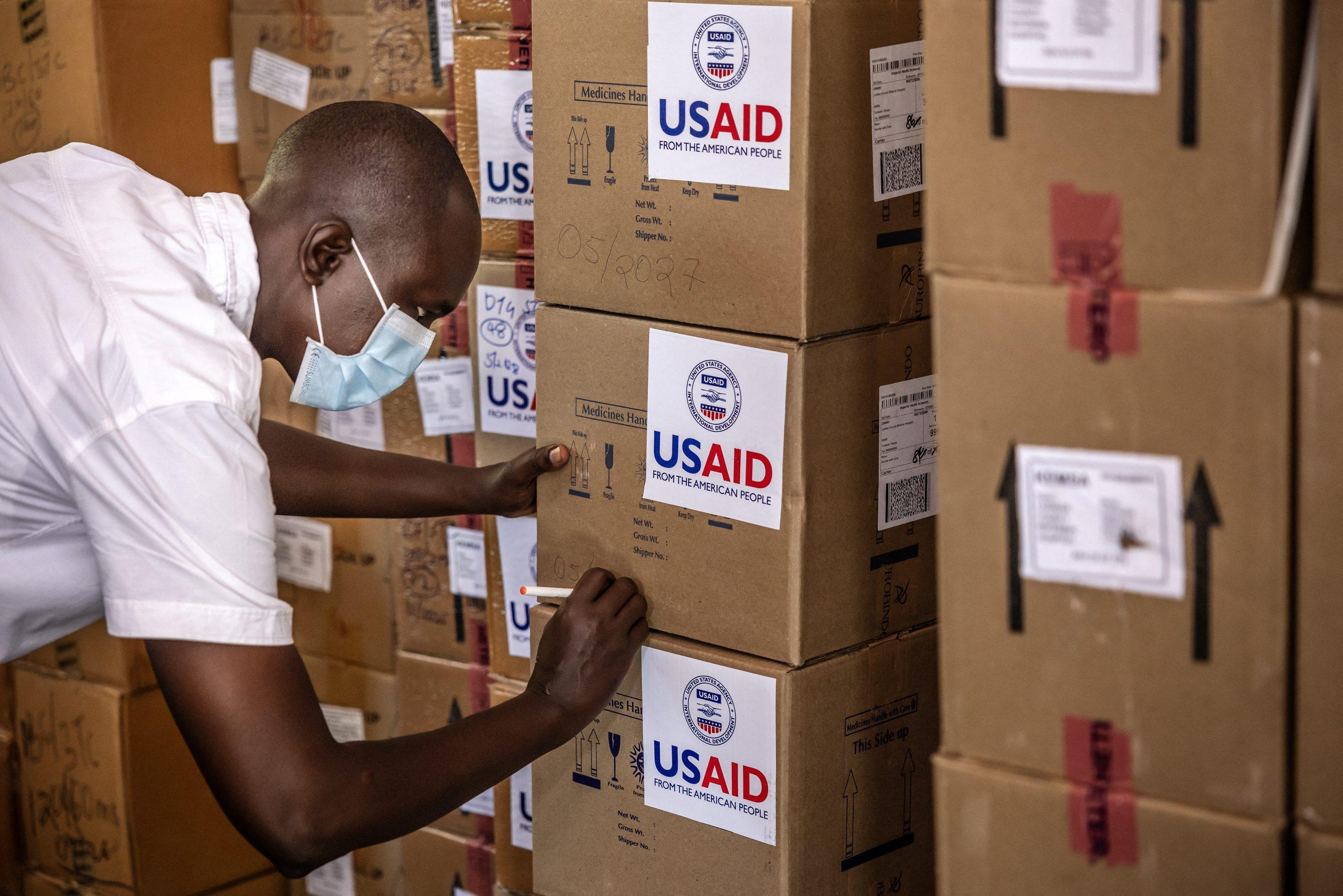
The Consequences of U.S. Foreign Aid Reductions on Kenya’s Healthcare System
Recent scrutiny of U.S. foreign aid has resulted in significant cuts to global health funding, raising urgent concerns about the repercussions for vulnerable populations in countries like Kenya. The report titled “The System is Crumbling,” published by Physicians for Human Rights (PHR), delves into the various impacts these funding reductions have on healthcare systems and public health outcomes in the region. As Kenya grapples with ongoing challenges from endemic diseases and emerging health threats, diminishing resources threaten to reverse years of progress made against HIV/AIDS, tuberculosis, and maternal mortality rates. This article examines the dire conditions outlined in the PHR report while incorporating perspectives from healthcare professionals, affected communities, and public health officials who warn that changes in U.S. policy could have devastating effects on millions.
Effects of Funding Reductions on Kenya’s Healthcare Infrastructure
The decline in financial support critically undermines Kenya’s healthcare infrastructure, leading to a cascade of challenges that threaten overall population health outcomes. With significant cuts to U.S.-funded Global Health initiatives, vital programs aimed at combating diseases such as HIV/AIDS and malaria are experiencing severe setbacks. Key consequences include:
- Increased Disease Prevalence: A lack of resources can result in faltering treatment programs and rising infection rates.
- Healthcare Workforce Shortages: Budget cuts often lead to fewer available staff members, placing immense strain on existing healthcare workers.
- Lack of Access to Essential Services: Many individuals-particularly those residing in rural areas-may find key services inaccessible as clinics close or consolidate due to financial limitations.
This scenario creates a troubling cycle that diminishes disease monitoring capabilities and response efforts. As resources continue to dwindle, opportunities for innovation within effective health strategies also decline. The table below highlights this downward trend across various sectors:
| Affected Sectors | Potential Outcomes |
|---|---|
| Preventive Care Services | Diminished vaccination campaigns leading to potential outbreaks. |
| Maternity Services | An increase in maternal and infant mortality rates. |
| Mental Health Resources | A shortage of adequate mental health services exacerbating existing crises. |
Broader Consequences for Disease Management Programs
The recent reductions in U.S.-funded global health initiatives have sent shockwaves through disease management programs across Kenya-prompting an urgent need for evaluation regarding their broader implications. As financial support diminishes, established frameworks designed to combat diseases like HIV/AIDS become increasingly susceptible to failure. The ramifications are multifaceted; medical facilities face resource shortages that limit access to essential medications and services necessary for patient care-endangering decades-long achievements against infectious diseases.
Additonally, these funding reductions exacerbate existing inequalities within the healthcare system disproportionately impacting marginalized groups who rely heavily on these critical programs. Public health experts caution about rising transmission rates , particularly among vulnerable communities dependent upon consistent support from these initiatives.
To further illustrate potential consequences consider this breakdown:
| Critical Impact Areas | Description Of Effects |
|---|---|
|
Erosion trust towards medical institutions causing lower engagement levels with treatments offered. | |










