
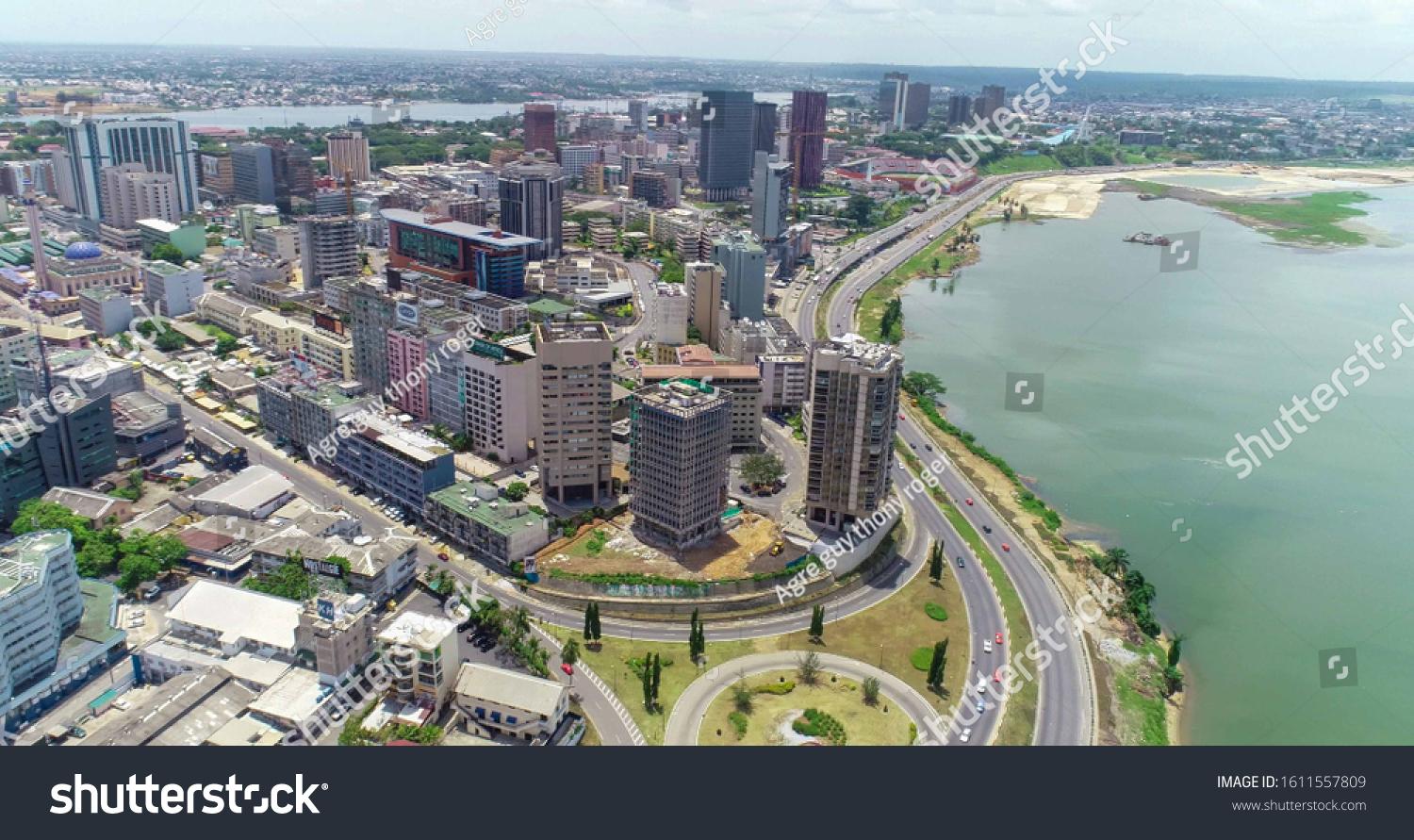
Ouattara Aims for Fourth Term in Ivory Coast Amid Political Strife
In a significant development within West Africa, President Alassane Ouattara of Ivory Coast has announced his candidacy for a fourth term in the upcoming elections.This announcement comes on the heels of several notable political opponents being disqualified, raising serious questions about the state of democracy and governance in a country still healing from its turbulent history. As election day nears, experts are closely monitoring how Ouattara’s bid may impact both the future of Ivorians and the delicate power dynamics across the region.
Supporters of Ouattara argue that his leadership has brought about stability and economic growth, citing several key achievements:
- Infrastructure Development: Significant investments have been made in transportation systems, healthcare infrastructure, and educational facilities.
- Economic Growth: The nation has seen a considerable rise in GDP along with increased foreign investment.
- Diplomatic Engagement: Strengthening ties with international partners and regional organizations has been prioritized.
Conversely, critics contend that his quest for an extended term raises alarming concerns regarding democratic principles. Given Ivory Coast’s history marked by political turmoil, many citizens voice their fears about how this ambition could jeopardize national unity and social peace. As campaigning heats up, vigilance over electoral integrity will be crucial in both domestic discussions and international dialogues concerning Ivory Coast’s democratic landscape.
Analyzing Political Dynamics and Democratic Concerns in Ivory Coast
The political climate in Ivory Coast is becoming increasingly complex as President Alassane Ouattara seeks another term amidst controversial disqualifications of rivals. This scenario raises urgent questions regarding the health of democracy within the nation-especially given past elections marred by violence and allegations of fraud. While fewer formidable challengers might simplify Ouattara’s path to re-election, it simultaneously casts doubt on electoral legitimacy. Analysts caution that this situation could further entrench authoritarianism while stifling dissenting voices essential to democratic values.
The global community is paying close attention to these developments as implications for civil society engagement become more pronounced. Key considerations include:
- Potential Civil Unrest: The suppression of opposition voices may lead to public dissatisfaction manifesting as protests or unrest.
- Impact on Regional Stability: The evolving situation could resonate throughout neighboring countries grappling with similar political issues.
- Diplomatic Reactions: International responses to election outcomes will likely influence future diplomatic relations with Ivory Coast.
A timeline outlining critical events leading up to these elections can provide additional context regarding their meaning:
| Date | Description | ||||
|---|---|---|---|---|---|
| October 2020 | The controversial decision by Ouattara to pursue a third term sparks widespread debate among citizens. | ||||
| MARCH 2021 | The process begins targeting opposition candidates for disqualification ahead of elections.< / td > < / tr > | ||||
| AUGUST 2023 | The official announcement from Ouattara regarding his intention for a fourth term is made public.< / td > < / tr > |
| Strategy | Description < / tr > < /thead > | ||||
|---|---|---|---|---|---|
< strong >Grassroots Mobilization
| < strong >Engaging communities locally increases support.< strong >
| / tr > < strong >Strategic Partnerships</强>
| <强>Collaborating with NGOs enhances presence.<强>
</ td >
</ tr >
<tr>
| < strong >Clear Communication</强>
| <强>Crafting consistent narratives addresses key issues.<强>
</ td >
</ tr >
</ tbody >
</ table >
| Concluding Reflections on Upcoming Elections in Ivory CoastPresident Alassane Ouattara’s decision to seek another term underscores ongoing complexities within Ivory Coast’s political landscape amid rival disqualifications. As preparations intensify toward forthcoming elections,questions surrounding electoral fairness,political stability,and implications for democratic governance remain central themes within public discourse。Observers are closely watching developments as these elections hold potential ramifications not only for Ivorians but also across West Africa at large。With each passing day leading up toward voting day,the stakes continue rising significantly among all involved parties,and what lies ahead promises both challenges yet pivotal moments shaping future trajectories. Unlocking Tomorrow: H.E. Ambassador Duarte Lopes Shares Visionary Insights on Europe, North Africa, and the MediterraneanDuring a recent event hosted by the Stimson Center, participants delved into a captivating discussion about the evolving relationships between... Read moreDetails         |

