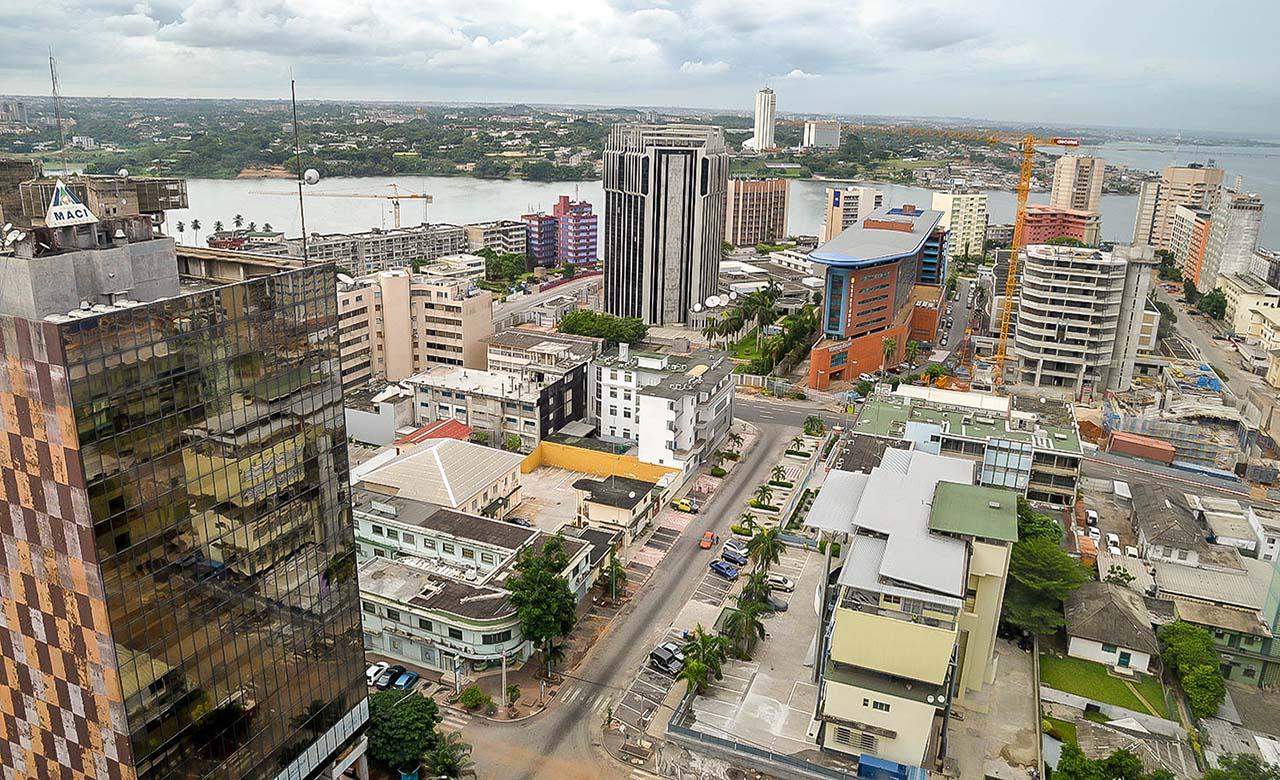
In a significant political development, Ivory Coast’s President, Alassane Ouattara, has announced his intention to run for a fourth term in the upcoming presidential elections. This decision comes amidst a backdrop of economic recovery efforts and ongoing political tensions in the West African nation. Ouattara’s tenure, marked by a promise of stability and growth, has also faced scrutiny over issues related to electoral integrity and national unity. As the country gears up for the election, Ouattara’s candidacy is poised to spark intense debate about the future of democracy in Ivory Coast and the implications of prolonged leadership in a region with a fraught political history. This article delves into the context surrounding Ouattara’s declaration, its potential impact on Ivorian society, and the reactions it has elicited both domestically and internationally.
Ivory Coast President Announces Intent to Pursue Fourth Term Amidst Political Divisions
The announcement from the President of Ivory Coast has ignited a fierce debate within the nation, polarizing the political landscape further than ever. As he seeks to extend his presidency for a fourth term, many citizens find themselves divided along party lines, grappling with concerns about governance, democracy, and stability. Critics argue that extending leadership could potentially destabilize the hard-won peace the country has enjoyed since the civil conflict, while supporters claim continuity of leadership is essential in maintaining economic growth and national unity.
In the face of criticism,the president has emphasized a commitment to ongoing reforms and national development. Key issues influencing public opinion include:
- Economic Performance: Supporters cite recent economic growth as a reason to support his continued leadership.
- Political Stability: Advocates argue that a stable government is crucial for the country’s future.
- Democratic Process: Opponents express concerns that this move undermines democratic norms, advocating for fair elections and political competition.
To provide a clearer outlook on the various factions involved, the following table outlines the main political parties and their stance regarding the president’s fourth term:
| Political Party | Position on Fourth Term |
|---|---|
| Rassemblement des Houphouëtistes pour la Démocratie et la Paix (RHDP) | Supportive |
| Parti Démocratique de Côte d’Ivoire (PDCI) | Opposed |
| Front Populaire Ivoirien (FPI) | Opposed |
| Nouveau Parti Démocratique de Côte d’Ivoire (NPDCI) | Neutral |
Analysis of the Implications for National Stability and Democratic Processes
The announcement by Ivory Coast’s president to pursue a fourth term carries significant implications for both national stability and the integrity of democratic processes. Following a tumultuous political history marked by civil unrest and contested elections, the decision may exacerbate existing tensions among opposition factions and civil society. Observers note that the move could lead to increased polarization within the electorate, as many feel wary of extended incumbency, questioning the legitimacy of governance and the potential for authoritarianism. The potential for unrest rises as disenfranchised groups may resort to protests, challenging the authority of the ruling party and further complicating the political landscape.
The electoral framework in place will also face scrutiny, especially regarding its capacity to accommodate a truly democratic process. Key considerations include:
- Electoral Fairness: Ensuring transparent, free, and fair elections to foster public confidence.
- Opposition Engagement: The role of opposition parties in a highly competitive political climate remains crucial for maintaining dialog.
- International Relations: The response of foreign governments and organizations to potential electoral misconduct will shape future aid and support.
In the wake of the president’s announcement, both national and international stakeholders must navigate a complex interplay of expectations and realities. The path forward will require careful diplomacy and a dedicated commitment to democratic principles to prevent a resurgence of instability.
Recommendations for Navigating Electoral Challenges and Enhancing Political Dialogue
As Ivory Coast heads toward a potentially contentious electoral season, political leaders and citizens alike must engage in proactive measures to navigate the complexities of election dynamics.To safeguard democracy and enhance the electoral process, it is crucial to emphasize openness, inclusivity, and dialogue. Politicians should commit to open forums where ideas can flow freely, allowing not only for political debates but also for citizen engagement. This can lead to the formation of coalitions that represent a wider demographic, fostering a sense of unity rather than division.
Additionally, electoral stakeholders are encouraged to adopt measures that promote peaceful conduct and discourage violence. Initiatives could include:
- Creating rapid response teams to address electoral grievances quickly
- Encouraging local community leaders to mediate disputes effectively
- Implementing educational campaigns to raise awareness of civic rights and responsibilities
These approaches, when paired with responsible media coverage, can create a resilient political surroundings ripe for constructive dialogue, essential for addressing the challenges ahead.
Concluding Remarks
President Alassane Ouattara’s announcement to seek a fourth term in office underscores the ongoing complexities of Ivory Coast’s political landscape. Despite previous assurances to step down after his third term, his decision reflects both the challenges faced by the nation and the strategic calculations of its leadership. As Ivory Coast approaches the next elections, the implications of this move will be closely scrutinized both domestically and internationally. Analysts will be watching to see how this bid influences political stability, public sentiment, and the overall democratic process in the country. With the nation at a crossroads, the forthcoming months will be critical in shaping the future of Ivory Coast and determining the path of its governance.