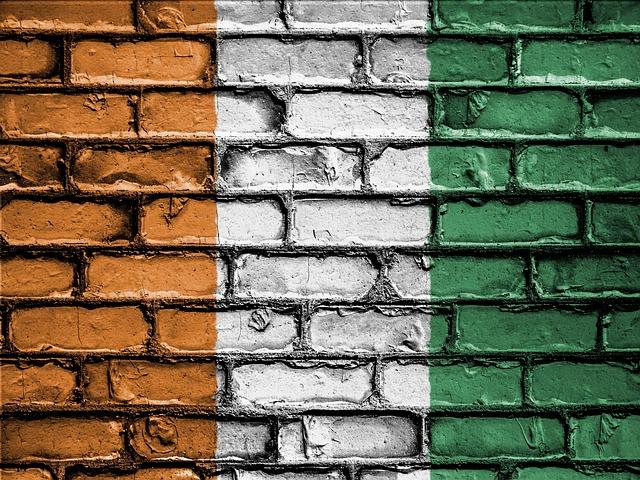
As the Ivory Coast approaches its upcoming elections, the nation stands at a crossroads, grappling with the intricate balance between democratic ideals and political realities. With a history marked by civil unrest and political turbulence, the scrutiny surrounding the electoral process has intensified, drawing both national and international attention. This article delves into the current state of democracy in the ivory coast, examining the challenges that lie ahead, the perspectives of various stakeholders, and the implications for the future of governance in the West African nation. As candidates prepare to campaign and voters anticipate their crucial role, the integrity of the electoral process remains a focal point in assessing the health of democracy in the Ivory Coast-a situation that could reshape the country’s socio-political landscape for years to come.
Challenges to Electoral Integrity in Ivory Coast’s Upcoming Election
The upcoming elections in ivory Coast are overshadowed by a myriad of challenges that threaten the integrity of the democratic process. Political tensions remain high, stemming from unresolved issues related to the last electoral cycle, which was marred by violence and accusations of fraud. Key obstacles include:
- Political Polarization: The nation remains divided along political lines,with major parties unwilling to engage in constructive dialog,raising fears of post-election unrest.
- Voter Registration Issues: Delays and discrepancies in the voter registration process have raised concerns about the potential disenfranchisement of eligible voters, particularly in opposition strongholds.
- Media Freedom Restrictions: Increased censorship and intimidation of independent media outlets have undermined the public’s access to unbiased information, thereby affecting informed voter decision-making.
- International Observers’ Concerns: The presence of international election monitors is being threatened by bureaucratic hurdles, casting doubt on their ability to provide an impartial assessment of the electoral process.
As the election date approaches, the government’s approach to curbing dissent and the opposition’s response will prove critical. Past experiences suggest that without addressing these significant concerns, the upcoming election could lead to deteriorating trust in the electoral system.Moreover, the potential for increased violence poses a grave risk to not only the electoral process but also to the broader stability of the nation. Hence, stakeholders are urged to prioritize transparency and accountability to foster a more democratic atmosphere.
Key Stakeholders and Their roles in Protecting Democratic Processes
as the political landscape in Ivory Coast becomes increasingly complex in the lead-up to the upcoming elections, several key players are crucial in safeguarding the integrity of the electoral process. Government authorities, including the National Electoral Commission (NEC), are primarily responsible for ensuring that elections are free, fair, and transparent. Their roles encompass overseeing the entire electoral administration,from voter registration to the final tallying of votes. Additionally, law enforcement agencies are tasked with maintaining peace and security during the election periods, which is vital in a country with a history of political unrest. Furthermore, the judiciary plays an essential role in adjudicating disputes that may arise, contributing to public confidence in the electoral system’s fairness.
Civil society organizations and international observers also hold significant responsibilities in monitoring the electoral process. Local NGOs often act as watchdogs, mobilizing citizens to participate peacefully while raising awareness of voters’ rights and educating them about the electoral process. Their grassroots reach assists in detecting and reporting any electoral malpractice. International bodies such as the African Union (AU) and the United Nations (UN) dispatch teams to observe elections, providing impartial assessments.This collaborative effort among various stakeholders not only enhances transparency but also fosters accountability, paving the way for a more robust democratic framework in Ivory Coast.
Recommendations for strengthening Democratic Governance Ahead of the Polls
To enhance the prospects of a fair and transparent electoral process in Ivory Coast, a multifaceted approach is essential. Strengthening institutional frameworks should be a priority, ensuring that electoral bodies operate independently and are free from political interference. This can be achieved by:
- Implementing rigorous standards for electoral commissions to ensure impartiality and professionalism.
- Guaranteeing adequate funding and resources for the logistics of elections.
- Encouraging international observers to monitor the electoral process, fostering trust and transparency.
Equally vital is the role of civil society and citizen engagement in the electoral process. Increasing public awareness and education on voting rights and responsibilities can empower voters. Initiatives should focus on:
- Launching widespread civic education campaigns to inform citizens about the electoral process.
- Facilitating open dialogues between political parties and communities to address concerns and build consensus.
- Utilizing technology and social media to disseminate accurate information and combat misinformation.
Key Takeaways
As ivory Coast approaches its upcoming elections,the spotlight intensifies on the state of its democracy and the myriad challenges that lie ahead. With a history marked by political turbulence and social unrest, the nation stands at a crossroads. Observers are closely monitoring the electoral surroundings, particularly in terms of freedom of expression, political inclusivity, and the commitment to democratic principles.While government efforts to strengthen democratic institutions are underway, concerns regarding fairness and transparency persist. The engagement of civil society, the role of international observers, and the response of political leaders will be critical in shaping the electoral landscape.As ivorian citizens prepare to exercise their essential right to vote, the outcome will not only determine political leadership but also serve as a litmus test for the nation’s dedication to democracy.
In this pivotal moment, the world watches closely, hopeful for a peaceful and productive electoral process that respects the will of the ivorian people and reinforces the foundations of democracy in the region. The path forward remains uncertain, but the quest for a more stable and inclusive political environment is one that resonates deeply within the hearts of many Ivorians. As the election draws near, the call for vigilance and resilience echoes louder than ever.