
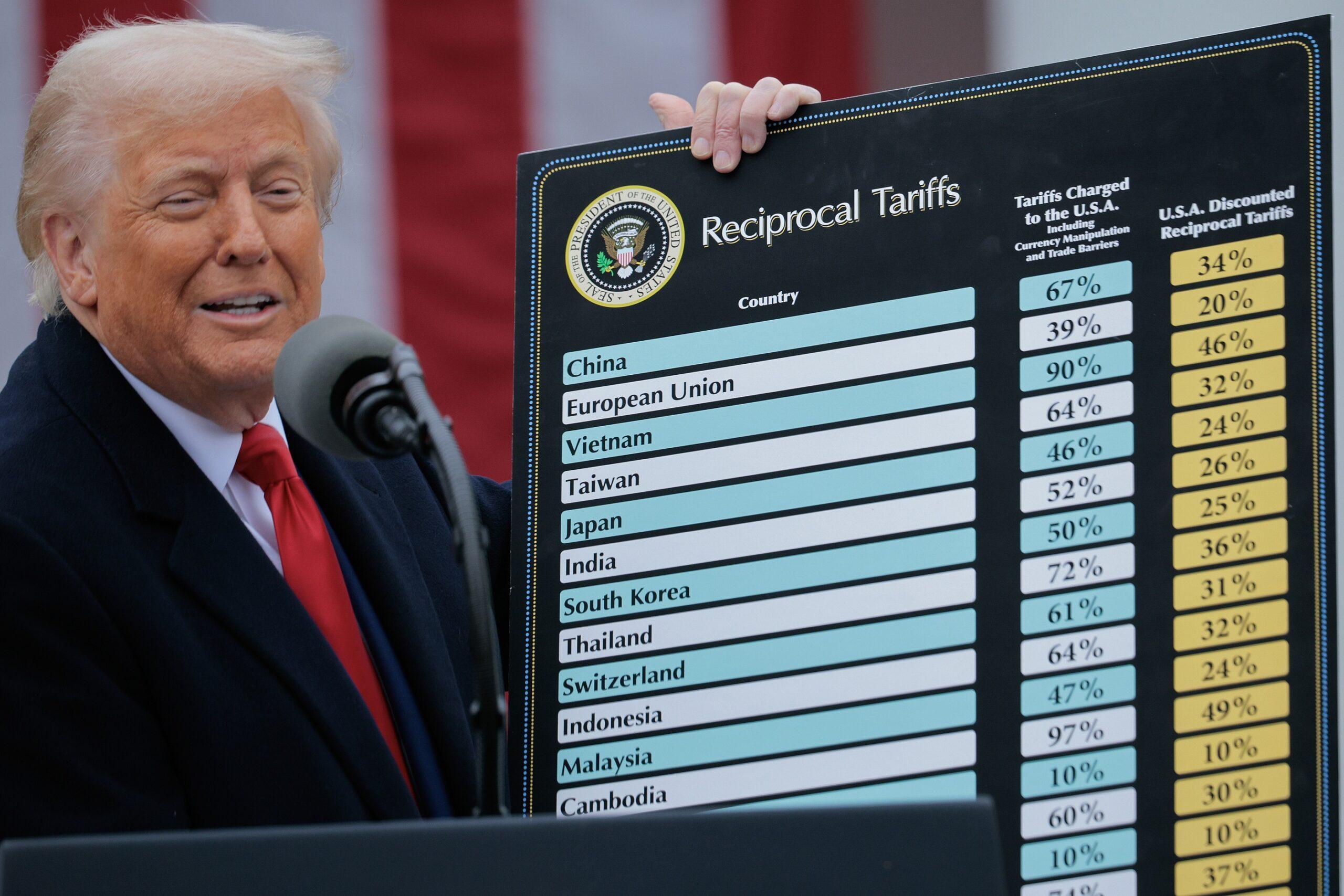
As the global economy grapples with the repercussions of shifting trade policies, the impact of notable tariffs imposed by the Trump administration on imported goods is increasingly felt beyond U.S. shores. Small African economies, often reliant on a delicate balance of trade, find themselves in a precarious position as thes tariffs reshape international markets and disrupt established supply chains. In this article, we delve into the multifaceted effects of these tariffs, exploring how rising costs of imports, decreased competitiveness, and altered trade dynamics threaten the fragile economic landscapes of several African nations. Through a comprehensive analysis,we aim to shed light on the challenges faced by these economies,their responses to shifting trade winds,and the broader implications for economic stability on the continent.
Impact of Tariffs on Trade Dynamics in African economies
The implementation of significant tariffs by larger economies has dramatically reshaped trade dynamics within African nations. As small economies with limited bargaining power, many African countries find themselves at the mercy of external trade policies. The heightened tariffs not only increase the cost of imports for these nations but also stifle export opportunities, making it more challenging for local businesses to compete on a global scale. Key impacts include:
- Increased Costs: Tariffs lead to higher prices for essential goods, directly affecting consumers and leading to inflationary pressures.
- Supply Chain Disruptions: Many small African economies rely on imported raw materials; tariffs disrupt these supply chains, hampering local production.
- Job Losses: As local industries struggle to adapt, unemployment rates may rise, exacerbating economic instability.
Furthermore, the retaliatory nature of trade policies means that African countries may face a cycle of escalating tariffs that can lock them out of critical markets. This scenario limits their ability to innovate and diversify their economies. The following table illustrates how specific industries within African economies could be adversely affected by increased tariffs:
| Industry | Potential Impact |
|---|---|
| Agriculture | Reduced access to export markets, lower prices for local farmers |
| Manufacturing | Increased production costs leading to decreased competitiveness |
| Textiles | Loss of jobs and business closures due to higher import prices |
Strategies for Resilience Amidst Economic Disruption
The impact of economic disruption, particularly from tariffs, can be particularly devastating for small African economies. To navigate these turbulent waters, it is crucial for these nations to adopt a multi-faceted approach aimed at building resilience. firstly, diversification of economic activities can play a vital role. By reducing reliance on a limited number of exports, countries can buffer themselves against the shocks of fluctuating tariffs. this involves investing in sectors such as agriculture, technology, and local crafts to ensure a varied economic base. Additionally, creating strategic trade partnerships with other countries or regions can open new markets and reduce dependence on any one trading partner.
Furthermore,enhancing local manufacturing capacity is essential to mitigate the effects of import tariffs.Local industries can provide job opportunities and reduce dependency on imported goods, thereby fortifying the domestic economy. Nations can also invest in skills training programs for their workforce, enabling them to adapt to changing market demands and technological advancements. By focusing on building a capable workforce, economies can foster innovation and increase productivity. Collaborative efforts between governments and private sectors to develop comprehensive trade policies and support systems for small businesses can further strengthen economic resilience in the face of external disruptions.
Policy Recommendations for Sustainable Growth in the Face of Trade Barriers
To foster sustainable growth amidst escalating trade barriers, it is critical that African economies adopt a multifaceted approach. Policymakers should prioritize the following strategies:
- Diversification of Exports: Countries must not rely solely on a few commodities. Encouraging investment in various sectors, such as technology, agriculture, and tourism, can mitigate risks associated with trade disruptions.
- Strengthening Regional Cooperation: Enhancing trade agreements within Africa can create a more robust marketplace,reducing dependency on external markets. Initiatives like the African Continental Free Trade Area (AfCFTA) should be leveraged to bolster intra-African trade.
- Investment in Infrastructure: Developing essential infrastructure—such as transportation, logistics, and digital connectivity—can enhance competitiveness and reduce trade costs.
- Capacity Building: Investing in skills development for the workforce can lead to improved productivity and innovation, allowing local industries to compete effectively at a global scale.
Moreover,aligning fiscal policies to support these initiatives is key. The creation of incentives for small and medium-sized enterprises (SMEs) will help build resilience against external shocks. Policymakers should also focus on increasing access to finance, ensuring that businesses can invest in growth and adapt to changing market conditions.To further illustrate the potential benefits of fostering SME growth, the table below outlines key advantages:
| Advantage | Description |
|---|---|
| Job Creation | SMEs are vital in fostering local employment opportunities. |
| Innovation | Smaller firms can quickly adapt to new trends and technologies. |
| Economic Stability | A diverse SME sector can provide a buffer against economic downturns. |
Wrapping Up
the implementation of substantial tariffs by the Trump administration has produced a ripple effect across small african economies, highlighting the interconnectedness of global trade. As these nations grapple with the economic ramifications of heightened import costs and shifting market dynamics,the potential for increased poverty and instability looms large. This situation not only underscores the vulnerabilities faced by developing countries in an increasingly protectionist world but also raises critical questions about the long-term sustainability of their growth trajectories. Policymakers, both in Africa and abroad, must navigate these challenges with careful consideration to foster resilience and ensure that these economies can thrive amidst adversity. As the global economic landscape continues to evolve, the lessons learned from this episode will be vital for shaping future trade policies that support equitable and sustainable development.










