
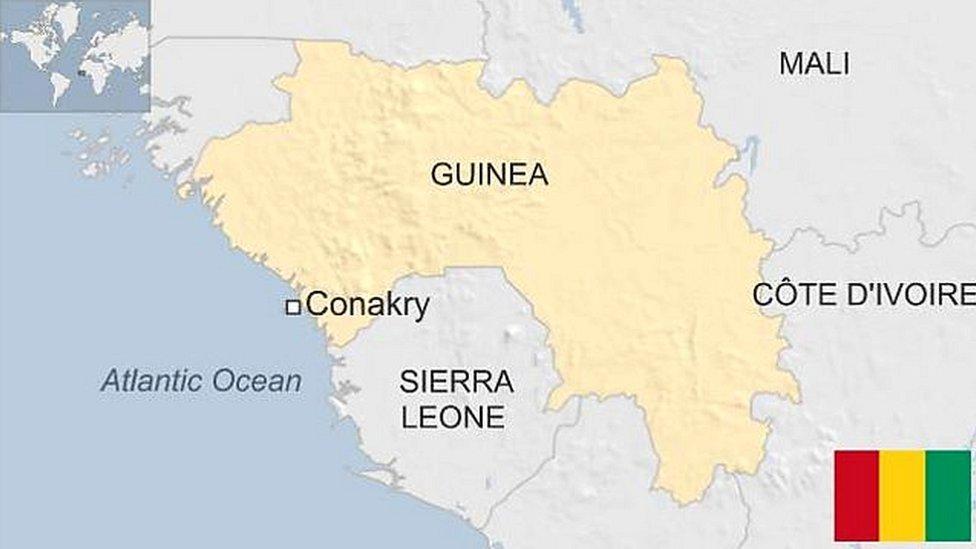
Guinea Economic Update 2024: A New Chapter in Growth
As Guinea strides into 2024, the nation stands at a critical juncture in its economic trajectory, poised between potential growth and pressing challenges.The World Bank’s latest economic update sheds light on the evolving landscape of Guinea’s economy, offering insight into key factors that will shape its future. With a backdrop of demographic changes, resource wealth, and socio-political dynamics, this report analyzes the impacts of fiscal policies, global market trends, and investment opportunities. As stakeholders are keenly aware, the interplay of these elements holds significant implications for Guinea’s aspirations of enduring development and poverty reduction. In this article, we delve into the findings of the World Bank’s report, examining the pathways toward economic resilience and the strategic initiatives necessary to harness Guinea’s abundant resources for the benefit of all its citizens.
Guinea’s Economic Landscape in 2024: Key Challenges and Opportunities
In 2024, Guinea faces a complex array of economic challenges that will require strategic navigation to ensure sustainable growth. Among the pressing issues are infrastructure deficits, which impede trade and investment. The lack of reliable transportation and energy sources remains a significant hurdle, stymieing efforts to attract foreign direct investment (FDI). Moreover, the country grapples with high unemployment rates, particularly among the youth, increasing the urgency for job creation initiatives.Persistent political instability also casts a shadow over the investment climate, as uncertainty discourages potential investors.
Despite these challenges,several opportunities present themselves on the horizon. Guinea is rich in natural resources,particularly minerals like bauxite and gold,which are poised for further exploration and export. The government has initiated reforms to enhance the business environment, aiming to streamline regulations and attract FDI.Additionally, there is growing interest in diversifying the economy beyond mining, with potential growth in agriculture and tourism sectors. The following table summarizes key sectors with growth potential:
| Sector | Opportunities | Challenges |
|---|---|---|
| Agriculture | Expansion through modern techniques | Access to markets and funding |
| Tourism | Rich cultural heritage and natural attractions | Infrastructure and marketing |
| Renewable Energy | Investment in solar and hydro projects | Initial capital and regulatory support |
Strategies for Sustainable Growth: Recommendations from the World Bank
To foster sustainable economic growth in Guinea, the World Bank emphasizes the necessity of implementing diversified economic strategies.This includes investing in sectors that can yield high returns and generate employment for the growing population.Key recommendations highlight the importance of:
- Enhancing Agricultural Productivity: Leveraging technology and training to boost crop yields and food security.
- Developing Renewable Energy: Investing in solar and hydroelectric projects to provide reliable energy and reduce dependence on fossil fuels.
- Promoting Infrastructure Investments: Upgrading transport and interaction networks to facilitate trade and create jobs.
Moreover, the World Bank advocates for a robust governance framework to support these initiatives. Implementing obvious policies and ensuring efficient resource allocation can significantly improve economic resilience.The framework must focus on:
- Strengthening Institutional Capacity: Building capable institutions to manage economic policies effectively.
- Encouraging Private Sector Participation: Creating an enabling environment for local and foreign investments through regulatory reforms.
- Fostering Regional Cooperation: Collaborating with neighboring countries to enhance trade links and economic partnerships.
Addressing Inequality and Promoting Inclusion: A Path Forward for Guinea’s Economy
Guinea faces a pivotal moment in its pursuit of equitable economic growth. Addressing inequality is essential for fostering a more resilient economy, as persistent disparities hinder social cohesion and stifle productivity. To forge a path forward, stakeholders must come together to implement comprehensive policies that target marginalized communities. Key strategies include:
- Enhancing access to quality education and vocational training
- Promoting equal job opportunities for women and youth
- Supporting small and medium enterprises (SMEs) through micro-financing and investment incentives
- Strengthening social safety nets to protect vulnerable populations
Moreover, promoting inclusion requires collaborative efforts between the government, private sector, and civil society. By leveraging technology and innovation, Guinea can facilitate better access to essential services for all citizens. Public-private partnerships can play a vital role in this change, with initiatives supporting community development and infrastructure investment. A structured approach may include:
| Initiative | Potential Impact |
|---|---|
| Digital Literacy Programs | Empowers youth with necessary skills for the digital economy |
| Inclusive Agricultural Projects | Boosts food security and rural livelihoods |
| Gender Equity Policies | Increases women’s participation in the workforce |
In Retrospect
the “Guinea Economic Update 2024” by the World Bank provides critical insights into the nation’s current economic landscape and future prospects. As Guinea navigates the challenges of global economic volatility and internal structural issues, the report underscores the importance of strategic investments, sound governance, and inclusive policies to foster sustainable growth. With recommendations aimed at bolstering key sectors and promoting resilience, this update serves as both a roadmap for policymakers and a call to action for stakeholders committed to Guinea’s development. As the global economy continues to evolve, the findings within this report will be instrumental in guiding future interventions and ensuring that the benefits of economic progress reach all corners of the Guinean society. The path ahead may be fraught with obstacles, yet the potential for transformation remains significant, offering hope for a more prosperous future for all Guineans.










