
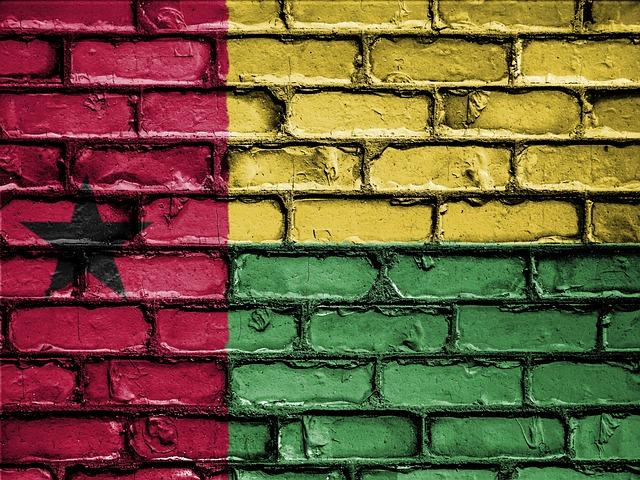
In the wake of recent political upheaval in Guinea-Bissau, the United Nations has raised serious concerns regarding human rights violations following a coup that has shaken the nation’s stability. The Office of the United Nations High Commissioner for Human Rights (OHCHR) has called upon the new authorities to adhere to fundamental human rights principles and ensure the protection of civil liberties.This article delves into the statements made by UN officials, highlighting their criticism of the ongoing violations and the pressing need for accountability and restoration of democratic norms in Guinea-Bissau. As the international community watches closely,the imperative for respect and promotion of human rights remains at the forefront of discussions surrounding the country’s future.
Concerns Over human Rights Violations in Guinea-bissau Following Recent Coup
The recent military coup in Guinea-Bissau has raised important alarm regarding the potential for widespread human rights violations. As reports emerge of increased repression and intimidation against political opponents, civil society groups, and ordinary citizens, the international community is expressing deep concern. The UN High Commissioner for Human Rights, Volker Türk, has issued a statement condemning these actions and underscoring the need for adherence to fundamental human rights principles. There is a growing fear that these violations could escalate, leading to a more entrenched culture of fear and repression within the nation.
In light of these developments, various organizations and human rights advocates are calling for immediate action to ensure the protection of individual liberties in Guinea-Bissau. Among the key areas of focus are:
- Freedom of Expression: Urging the government to allow free discourse and dissent without fear of reprisal.
- Non-violent Protest: Emphasizing that citizens should be able to assemble peacefully to express their grievances.
- Accountability Mechanisms: Stressing the urgency for transparent investigations into abuses committed during the coup and subsequent crackdown.
Rebuilding trust and fostering a climate of respect for human rights are crucial if Guinea-Bissau is to navigate this turbulent period effectively. The international community’s support for local efforts to restore democracy and uphold human rights will be vital in the weeks and months ahead.
International Community Urged to Take Action in Response to Deteriorating Conditions
The international community is facing a critical juncture regarding Guinea-Bissau, where the recent coup has exacerbated an already precarious situation. High Commissioner for Human Rights Volker Türk has expressed profound concern over the ongoing violations that have followed the upheaval, calling for immediate action to address the deteriorating conditions. Key issues highlighted include:
- Rampant Human Rights violations: The escalation of arbitrary detentions, enforced disappearances, and violence against civilians calls for urgent remedial measures.
- Suppression of Freedom of Expression: Reports of intimidation against journalists and activists emphasize the necessity of safeguarding the freedom of speech.
- Increased Instability and Fear: The population lives in constant uncertainty, impacting daily life and security in the region.
Türk emphasizes the imperative for a coordinated international response to uphold human rights and democratic principles. Governments and organizations around the globe are urged to collaborate effectively,leveraging diplomatic channels and resources to foster a return to stability. Key actions should focus on:
- Monitoring Human rights Compliance: Establishing independent monitoring bodies to ensure accountability for violations.
- Engaging with Civil Society: Supporting local organizations that advocate for human rights and provide essential services to affected communities.
- Imposing Targeted Sanctions: considering sanctions against those responsible for sustaining violence and instability within the country.
Recommendations for Restoring Democratic Governance and Upholding Human Rights standards
To effectively restore democratic governance and ensure the protection of human rights in Guinea-Bissau,a multi-faceted approach must be adopted. This includes the immediate establishment of an independent commission to investigate the recent violations, with a transparent process that includes diverse stakeholders. such a commission should focus on documenting abuses, holding accountable those responsible, and providing redress to victims. Additionally, reinforcing the legal framework surrounding human rights will be essential.This involves updating national laws to align with international human rights standards, as well as enhancing the capacity of law enforcement and judicial systems to uphold these laws without bias or interference.
Furthermore, fostering a culture of dialog and inclusivity is crucial for long-term stability. engaging civil society organizations and grassroots movements will help amplify the voices of marginalized communities, ensuring that their needs and perspectives are integrated into the political landscape. The international community can play a pivotal role by offering support through:
- Technical assistance for the progress of robust electoral processes.
- Capacity building for local institutions to safeguard democratic practices.
- Continued advocacy for adherence to human rights principles and accountability measures.
This collaborative effort between local and international actors is vital to not only restore democracy but to cultivate a resilient society that respects and protects the human rights of all its citizens.
In Conclusion
the situation in Guinea-Bissau remains precarious following the recent coup,with serious concerns raised by the United Nations Office of the High Commissioner for Human Rights (OHCHR). The urgent call from Türk underscores the necessity for all parties to respect human rights and to ensure the protection of civil liberties in the wake of political upheaval. As the international community watches closely, it is imperative for Guinea-Bissau’s leaders to prioritize dialogue, accountability, and the rule of law to foster stability and rebuild trust among its citizens. Only through a commitment to human rights can the country hope to emerge from this crisis stronger and more unified. The path forward will demand persistent efforts and cooperation from both domestic and international stakeholders to safeguard the rights and dignity of all individuals within its borders.










