
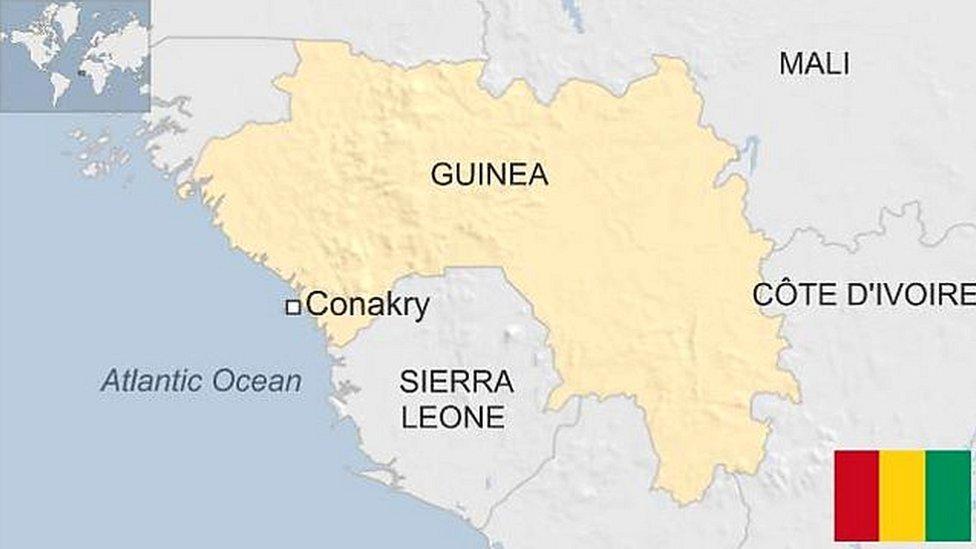
In an era marked by rapid change within teh Catholic Church, Guinea’s Cardinal Robert Sarah stands out as a prominent figure of traditionalist conservatism. With a reputation for his unwavering commitment to church doctrine and values, Cardinal Sarah has garnered attention both for his theological perspectives and his candid critiques of contemporary ecclesiastical practices. As the former Prefect of the Congregation for Divine Worship and the Discipline of the Sacraments, his influence extends beyond the borders of Guinea, echoing through global discussions on liturgy and church reform. this article delves into the cardinal’s doctrinal positions,his role in the broader religious landscape,and the implications of his traditionalist stance in a rapidly evolving church environment. Join us as we explore the life and impact of cardinal Robert Sarah, a steadfast voice advocating for timeless principles at a time of unprecedented change.
Cardinal Robert Sarah’s Influence on the Future of Traditional Catholicism
Cardinal Robert Sarah’s commitment to traditional Catholicism is marked by a profound reverence for the liturgy, a strong emphasis on the role of prayer, and a dedication to upholding the doctrinal truths held dear by the church. His influential positions, particularly as the former Prefect of the Congregation for divine Worship and the Discipline of the Sacraments, have provided a platform for advocating a liturgical revival rooted in the Latin Mass. Through his writings,speeches,and public appearances,Sarah has effectively articulated the importance of preserving the Church’s rich traditions,appealing to both clergy and the laity alike. His perspective has fostered a renewed interest in traditional practices among younger generations, which could lead to a resurgence of traditional Catholicism across the globe.
Given the current landscape of Catholicism, where modernity often challenges established practices, Sarah’s presence emerges as a unifying force for traditionalists. His viewpoints resonate with a wide audience, leading many to embrace a more contemplative and intentional approach to their faith. key aspects of Sarah’s influence include:
- Promotion of the Latin Mass: Advocating for the use of the Extraordinary Form as a bridge to the Church’s ancient roots.
- Focus on eucharistic Adoration: Encouraging the faithful to deepen their relationship with Christ through prayer and contemplation.
- Defense of Church Doctrine: Upholding teachings on issues related to morality and family life in a modern context.
| Key Contributions | Impact on Traditionalism |
|---|---|
| Writings on Liturgy | Increased understanding and thankfulness for traditional practices. |
| International Speaking Engagements | Mobilization of support for traditional Catholic communities. |
| theological Insights | Clarification of Church teachings against contemporary challenges. |
navigating the Tensions Between modernism and Tradition in the Church
Cardinal Robert Sarah,a prominent figure in the Catholic Church,embodies the complexity surrounding the relationship between modernism and tradition. He stands as a voice for those who feel that embracing modern values may sometimes lead the Church away from its foundational teachings. His perspective emphasizes the importance of maintaining core doctrines and traditional practices, even as societal values evolve. Through his writings and speeches, Cardinal Sarah has advocated for a return to the roots of Catholic spirituality, which he asserts are essential for navigating the tumultuous waters of contemporary beliefs and practices.
Within the Church, this tension manifests in various ways, including the liturgy, moral teachings, and the engagement with contemporary social issues. Key points of contention often include:
- Liturgical Practices: The balance between traditional Latin Mass and more contemporary forms of worship.
- Social Issues: The Church’s response to modern topics such as gender identity, marriage equality, and climate change.
- Authority of Doctrine: The degree to which Church teachings shoudl adapt to changing societal values.
As the Church grapples with these issues, Cardinal Sarah’s traditionalist viewpoint encourages a re-examination of the importance of foundational beliefs in shaping a coherent identity amidst change. His influence calls for a dialog that honors the richness of tradition while acknowledging the realities of the modern world.
Recommendations for Engaging with Cardinal Sarah’s Teachings in Contemporary Faith Practices
To effectively engage with Cardinal Sarah’s teachings,it’s essential for individuals and communities to integrate his emphasis on tradition and reverence into their contemporary faith practices.This can be accomplished by:
- Participating in Traditional Liturgies: Encourage attendance at Masses that adhere closely to the liturgical norms and use of traditional prayers.
- Studying Scripture and Church Teachings: Host study groups that focus on the Catechism and the writings of the Church Fathers, alongside Cardinal Sarah’s own works.
- Encouraging Silence and Contemplation: create opportunities within your community for silent prayer and reflection in line with Cardinal Sarah’s advocacy for the importance of silence in worship.
- Incorporating Sacred Music: Utilize traditional hymns and chant in worship settings to draw participants closer to the liturgical experience.
moreover, adapting these teachings into everyday life involves a conscious effort to live out faith principles in various contexts.This can be realized through:
- Practicing Humility: Foster a spirit of humility, reflecting Cardinal Sarah’s call for a profound relationship with God and recognition of His majesty.
- Engaging in Acts of Charity: Participate in community service initiatives that promote social justice and care for the marginalized.
- Reading and Sharing His Writings: Encourage discussions on Cardinal Sarah’s publications that explore themes of faith, freedom, and authentic Christian living.
To Conclude
Cardinal Robert Sarah stands as a prominent figure in the Catholic Church, embodying the intersection of tradition and contemporary discourse within the faith. His conservative viewpoints, particularly regarding liturgy and social issues, resonate deeply with a segment of the global Catholic community that seeks to preserve the Church’s historical teachings amid a rapidly changing world. As Guinea’s representative in the Vatican, Sarah’s influence extends beyond his homeland, shaping conversations around faith, morality, and the role of the Church in modern society. With a legacy rooted in traditionalism, he continues to be a voice for those advocating for a return to foundational values in an era of shifting paradigms. For more updates on religious leaders and their impact on global issues, stay tuned to IslanderNews.com.


