
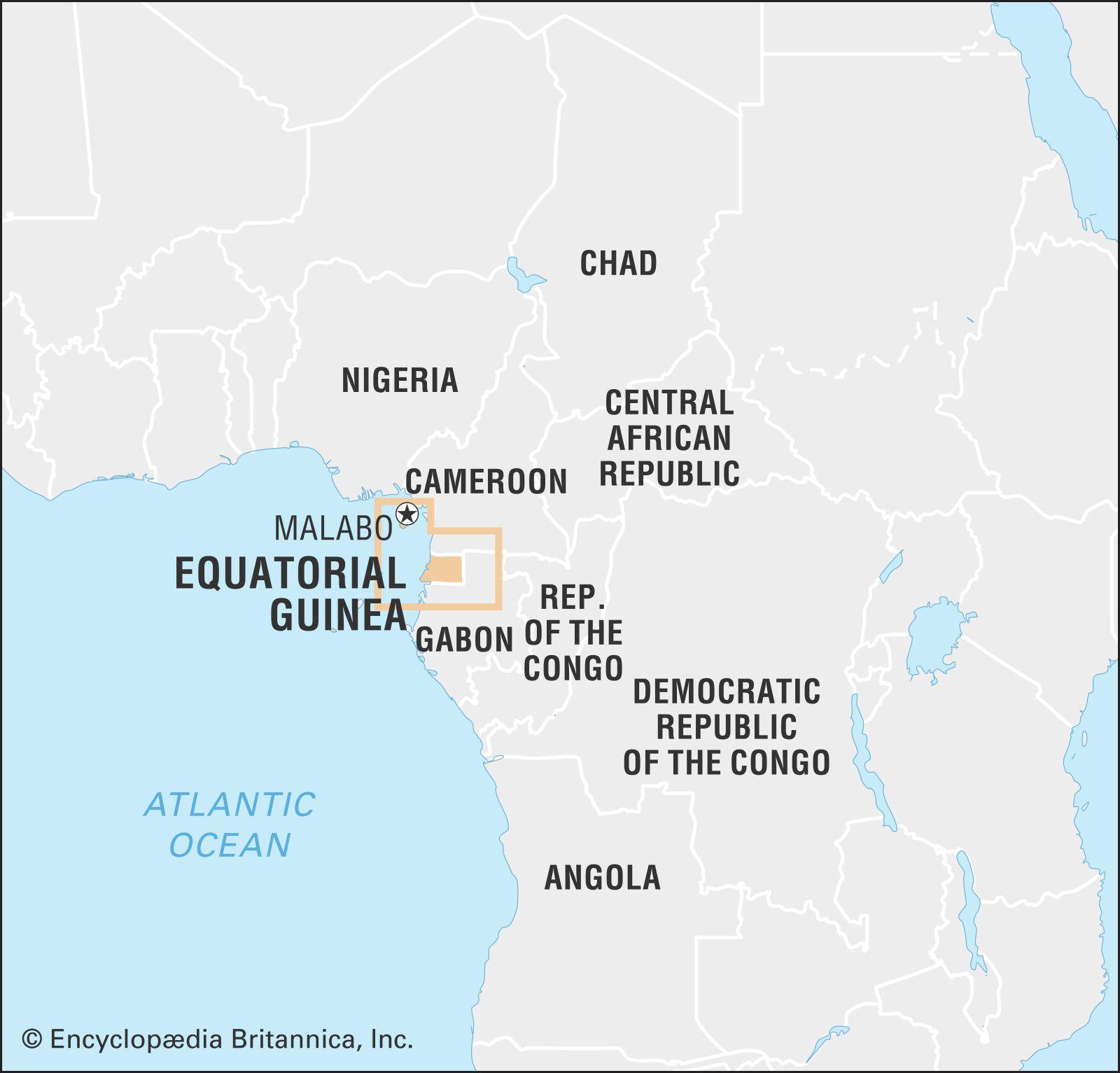
Political Turmoil in Equatorial Guinea: The Baltasar Ebang Engonga Scandal
Equatorial Guinea is currently facing a significant political crisis centered around the prominent figure, Baltasar Ebang Engonga. Recently convicted of embezzlement, his downfall has been exacerbated by the emergence of a scandalous sex tape. As an influential member of the political landscape, Engonga’s legal issues could have far-reaching implications for both his career and the broader political climate in Equatorial Guinea. This article delves into Engonga’s history, the circumstances leading to his conviction, and how this incident may alter the socio-political dynamics within the nation.
Effects of Engonga’s Scandal on Equatorial Guinea
The developments surrounding Baltasar Ebang Engonga have reverberated throughout Equatorial Guinea’s political framework, sparking discussions that transcend his individual misdeeds. His conviction for embezzlement underscores a troubling pattern of corruption among government officials. The situation escalated with revelations about an embarrassing sex tape that tarnished his reputation and diverted attention from pressing legislative issues. This scenario raises critical questions regarding accountability among leaders and reflects a growing public demand for clarity and reform.
The ramifications stemming from this scandal are multifaceted, impacting various levels of governance and also public sentiment. Citizens are increasingly disillusioned with their leaders, igniting discussions about ethical standards among current officials. Political analysts suggest that this incident could serve as a catalyst for change,invigorating movements advocating for stricter oversight and ethical governance practices. In an environment where corruption has often been tolerated, Engonga’s actions might encourage voters to reevaluate their allegiances ahead of upcoming elections.Possible outcomes include:
- Increased Demand for Accountability: Citizens may advocate for more robust anti-corruption measures.
- Emergence of Reformist Leaders: New figures may rise to prominence as advocates for change.
- Diminished Public Trust: The scandal could exacerbate skepticism towards established political institutions.
Ethics vs Governance: Lessons from Engonga’s Case
The controversy surrounding Baltasar Ebang Engonga serves as a poignant example illustrating how personal integrity intersects with governance not only in Equatorial Guinea but also in similar contexts worldwide. Once viewed as a reliable figure within governmental circles, his recent actions have severely compromised that trust. This case serves as an critically important reminder regarding how ethical breaches among leaders can lead to widespread disenchantment within society and considerably erode civic trust.
- The Fragility of Public Confidence: It is essential for elected officials to maintain integrity to preserve voter trust.
- The Need for Accountability Mechanisms: Strong systems must be put in place to hold leaders accountable for their actions.
- Cascading Effects on Governance: Scandals can destabilize governmental foundations leading to chaos or unrest.
This case further emphasizes an urgent need for comprehensive reforms within regional governance structures aimed at enhancing accountability across all levels.
By implementing strong ethical guidelines alongside transparent oversight mechanisms, authorities can mitigate the impact personal misconduct has on public administration.
The connection between ethics and effective governance is clear; it directly influences national socio-economic growth strategies which might encompass:
| Tactic | Description |
|---|---|
| Integrity Training Programs | A continuous educational initiative focused on principles of integrity tailored specifically towards public servants. |
Promoting Transparency Within Leadership Structures in Equatorial Guinea
Baltasar Ebang Engonga’s high-profile case has garnered considerable attention both domestically and internationally while highlighting critical issues related to governance practices within Equatorial Guinea.
With allegations ranging from embezzlement closely tied with sensationalized media coverage due to accompanying scandals like sex tapes,
there exists an urgent necessity now more than ever before-implementing stringent accountability measures throughout leadership roles.
Such cases underscore systemic transparency challenges faced by nations where corruption frequently overshadows aspirations toward democratic progress or economic stability.
Aiming towards fostering greater transparency requires several pivotal steps designed specifically around reforming existing frameworks:
- Conduct regular audits examining financial records belonging solely under public official jurisdiction;
- Create self-relying anti-corruption agencies equipped adequately enough possessing investigative authority;
- Promote citizen engagement actively encouraging participation via open forums/town hall meetings;
- Mandate clear reporting protocols concerning government expenditures/development projects undertaken;
< th >Action Item< / th >< th >Projected Outcome< / th > < tr >< td >< strong >Regular Financial Audits< / strong >< / td >< td >Increased scrutiny over financial transactions deterring potential fund misuse;< / td >< td >< strong >Independent Oversight Bodies< / strong >< / td >< td >Boosted confidence regarding justice system effectiveness improving responses against corrupt activities;< / td > < td >< strong >Public Engagement Initiatives< / strong >  ;< br />< br />< br />< br />< br />  ;  ;  ;  ; < >< >< >< >< ></ tbody>
  ;
  ;
  ;
  ;Final Thoughts: A Call For Change In Governance Practices
The high-profile situation involving Baltasar Ebang Engonga serves not only as evidence showcasing intricate relationships between power dynamics/personal behavior/legal duty but also highlights broader systemic flaws present throughout contemporary politics found today across regions like Africa including countries such Nigeria/Equitorial Guina. As once-prominent figures fall victim due missteps , it becomes imperative we address these underlying issues head-on if we wish restore faith back into our governing bodies . Moving forward ,discussions surrounding ethics/governance will likely continue shaping future narratives impacting both citizens’ perceptions along potential pathways toward improved integrity standards regionally .
Unlocking Tomorrow: H.E. Ambassador Duarte Lopes Shares Visionary Insights on Europe, North Africa, and the Mediterranean
During a recent event hosted by the Stimson Center, participants delved into a captivating discussion about the evolving relationships between...
Read moreDetails









