
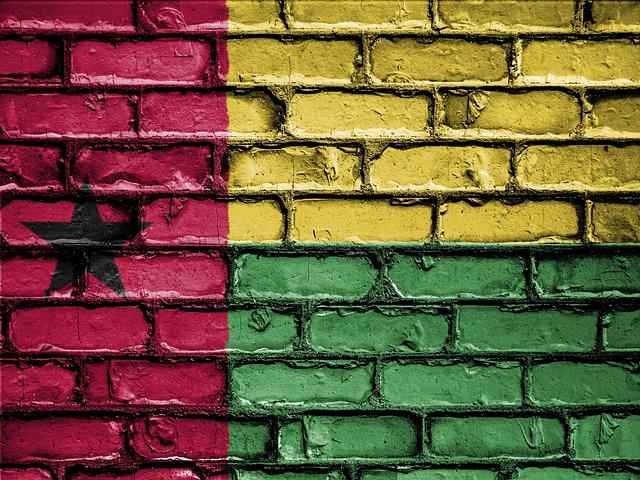
In the wake of escalating political turmoil, Guinea-Bissau’s military has declared it has taken “total control” of the country amid a chaotic electoral process. Amid allegations of widespread irregularities and growing public unrest, the military’s intervention marks a significant turning point in a nation long plagued by instability and political strife. The announcement has raised concerns both domestically and internationally about the future of democracy in Guinea-Bissau, a nation that has experienced multiple coups and political upheavals since gaining independence in 1973. As tensions mount and the electoral situation remains unresolved, the implications of the military’s actions are profound, threatening to derail any prospects for a peaceful democratic transition. This article delves into the events leading up to the military’s takeover and examines the broader consequences for Guinea-Bissau and the West African region.
Guinea-Bissau Military Implements Control Measures Amidst Rising Election Turmoil
In response to escalating unrest surrounding the electoral process, the military of Guinea-Bissau has taken unprecedented steps to ensure stability throughout the nation. With tensions mounting between opposing political factions, the armed forces have implemented a series of measures aimed at restoring order and preventing violence. These actions include:
- Deployment of troops in strategic locations to deter potential clashes.
- Establishment of checkpoints in major cities to monitor movement and enhance security.
- Coordination with law enforcement agencies to strengthen public safety and maintain civil order.
The military’s insistence on maintaining “total control” reflects a broader concern about the integrity of the electoral process and the potential for chaos as political rivalries intensify. Reports indicate that the atmosphere in the country is charged, with citizens expressing mixed feelings about the intervention. Some view the military’s presence as a necessary safeguard, while others worry it may suppress political expression. As these developments unfold, the international community watches closely, hoping for a peaceful resolution to the crisis:
| Recent Events | Impact |
|---|---|
| Military checkpoints established | Increased surveillance and control over public spaces |
| Troop deployments in urban centers | Heightened security but potential for conflict |
| Meetings with political leaders | Attempts to mediate tensions and ensure peaceful elections |
Analysis of Political Instability and the Role of the Military in Governance
The political landscape in Guinea-Bissau has been marred by a series of tumultuous events, revealing the fragility of its governance structure. As the military has recently declared total control amidst the chaos of election-related unrest, the implications for governance are profound. The involvement of the armed forces in political affairs often signals a breakdown of democratic processes and can deter fair electoral practices. Key factors contributing to this instability include:
- Historical Context: Guinea-Bissau has endured multiple coups since its independence in 1973, leading to a persistent cycle of political upheaval.
- Weak Institutions: The absence of robust political institutions has allowed military influence to persist in governance, undermining the rule of law.
- Corruption and Patronage: Rampant corruption has eroded public trust in political leaders, creating an environment ripe for military intervention.
The military’s increased prominence in governance raises critical questions about the direction of the nation. The recent crisis has not only escalated tensions within the political sphere but has also heightened fears among citizens regarding their democratic rights. To understand the extent of the military’s influence, consider the following indicators:
| Indicator | Status |
|---|---|
| Military Interference in Politics | High |
| Public Trust in Government | Low |
| Electoral Transparency | Questionable |
Strategies for Restoring Democratic Order and Ensuring Future Electoral Integrity
In the wake of military intervention and the ensuing electoral turmoil in Guinea-Bissau, a comprehensive roadmap must be established to restore democratic order. This strategy should encompass various pillars that foster stability and regain public trust in the electoral process. Key initiatives might include:
- Strengthening Civic Education: Implementing nationwide campaigns to educate citizens about their rights and the electoral process is essential. Knowledgeable voters are better equipped to demand transparency and accountability.
- Reforming Electoral Institutions: Establishing independent electoral commissions free from military influence can help ensure fair elections. This could involve legal frameworks that limit military power in civilian governance.
- Engaging International Observers: Inviting neutral international bodies to monitor elections can bolster credibility and deter potential fraud or manipulation.
To further solidify the return to a democratic framework, stakeholders within Guinea-Bissau should pursue dialogues that include all political factions. This would not only address existing grievances but also pave the way for a more inclusive governance model. Moreover, the formation of a national reconciliation commission could be vital in healing societal rifts. A systematic approach might include:
| Action | Objective |
|---|---|
| Community Engagement Initiatives | Foster dialogue among disparate groups |
| Electoral Reform Legislation | Clarify and strengthen electoral laws |
| Judicial Independence Programs | Ensure the rule of law prevails in election disputes |
The Conclusion
As Guinea-Bissau grapples with the aftermath of turbulent elections, the military’s assertion of control marks a critical juncture in the West African nation’s political landscape. Amid widespread unrest and allegations of electoral fraud, the armed forces have positioned themselves as key players in the ongoing crisis, raising concerns about the future of democracy in a country long plagued by instability. Observers are now watching closely as the situation unfolds, wary of the implications for governance and civil rights in the region. The international community remains vigilant, calling for dialogue and a return to constitutional order in a nation that has experienced recurrent cycles of political turmoil. As Guinea-Bissau navigates this precarious transitional phase, the need for a peaceful resolution and sustainable democratic practices has never been more urgent.










