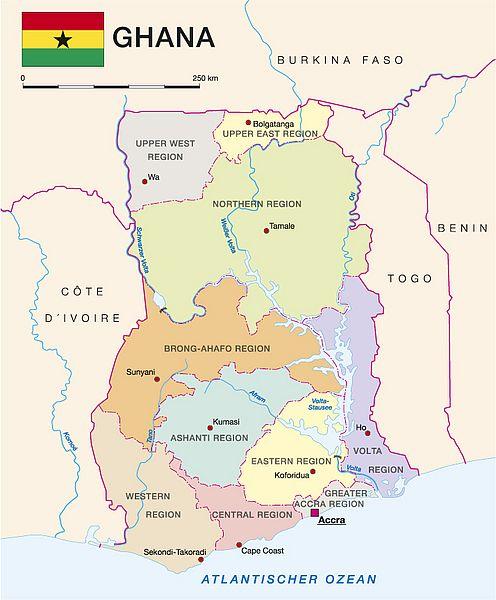
In a significant development for Ghana’s burgeoning innovation landscape, the government has finalized the much-anticipated Startup Bill, aimed at regulating and stimulating the country’s rapidly evolving startup ecosystem. This legislative move, heralded as a game-changer for entrepreneurs, seeks to establish a clear framework for the operation and growth of startups, aligning with global best practices while fostering local innovation. As governments across Africa recognize the vital role of startups in economic development, Ghana’s proactive approach positions it as a potential leader in the region’s tech-driven transformation. This article delves into the details of the new bill, its implications for Ghanaian entrepreneurs, and the broader context of innovation across the continent.
Ghana’s Startup Bill: Aiming to Foster Innovation and Attract Investment
The finalization of the Startup Bill marks a significant milestone in Ghana’s journey towards enhancing its innovation landscape. Designed to provide a structured regulatory framework, the bill seeks to bolster the startup ecosystem by addressing critical issues such as funding access, taxation incentives, and intellectual property protection. Key features of the bill include:
- Tax incentives for startups to encourage growth and sustainability.
- Clear guidelines for business registration and operations, streamlining bureaucratic processes.
- Support for incubators and accelerators to nurture emerging businesses.
- Allocation of funds for startup grants and programs aimed at fostering innovation.
This legislative initiative not only aims to create a thriving entrepreneurial environment but also serves to attract both local and foreign investment. By offering a reliable regulatory framework, Ghana positions itself as a favorable destination for startups seeking opportunities in the West African market. Additionally, the bill encourages collaboration between governmental bodies, private sectors, and educational institutions to cultivate a vibrant innovation community. With these measures in place, stakeholders can expect an increase in startup activities, ultimately contributing to economic growth and job creation within the region.
Key Provisions of the Startup Bill to Support Entrepreneurs and Enhance Compliance
The recently finalized Startup Bill in Ghana introduces a comprehensive framework aimed at empowering entrepreneurs and fostering a vibrant innovation ecosystem. Among the critical provisions, the bill emphasizes financial incentives, including tax breaks designed to ease the burden on startups during their initial stages. Additionally, it proposes the establishment of a Startup Fund, which will provide essential capital to help nascent businesses scale operations and create job opportunities. Other key elements include the protection of intellectual property rights and streamlined naming registration processes that will alleviate bureaucratic hurdles for new enterprises.
Moreover, the legislation takes significant steps to enhance compliance and ensure accountability within the startup sector. It mandates startups to adhere to transparent reporting standards which will promote investor confidence and improve governance. As outlined in the bill, entrepreneurs will benefit from mentorship programs and access to networks of experienced business leaders, facilitating knowledge sharing and collaboration. The emphasis on digital platforms to streamline regulatory processes reflects a commitment to modernization, enabling startups to efficiently navigate the compliance landscape.
Recommendations for Effective Implementation of the Startup Bill in Ghana’s Ecosystem
To ensure the successful implementation of the Startup Bill in Ghana’s ecosystem, several key recommendations should be considered. First and foremost, it is essential to establish a multistakeholder task force comprised of government representatives, entrepreneurs, investors, and academic institutions. This collaborative approach will facilitate open dialogue and guarantee that diverse perspectives shape the regulatory framework. Additionally, offering targeted workshops and training programs for startups will enhance their understanding of compliance, thus promoting better adherence to the new regulations.
Moreover, adopting a phased rollout strategy for the Bill can prove beneficial, allowing for adjustments based on early feedback from the ecosystem. It is also crucial to prioritize access to funding for startups by creating a dedicated fund or incentives for private investors. Implementing a robust monitoring and evaluation system will further ensure ongoing assessment of the Bill’s impact, enabling quick responses to any challenges faced by entrepreneurs. Finally, providing transparent communication channels about the Bill’s provisions will empower startups and build trust within the ecosystem.
Insights and Conclusions
In conclusion, the finalization of the Startup Bill in Ghana marks a significant milestone in the nation’s efforts to cultivate a robust innovation ecosystem. By establishing a regulatory framework tailored to the unique needs of startups, the bill aims to not only stimulate entrepreneurial activity but also attract investment and drive economic growth. As Ghana positions itself as a leader in the African startup landscape, stakeholders-including entrepreneurs, investors, and policymakers-will need to collaborate effectively to harness the full potential of this legislative advancement. The eyes of the continent will be on Ghana to see how this transformative initiative unfolds and impacts the future of innovation in the region.