
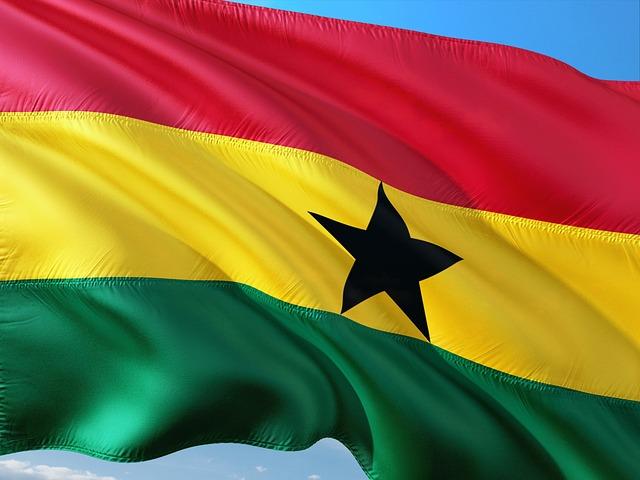
Ghana Country Profile: A Closer Look at West Africa’s Rising Star
As one of the moast stable democracies in West Africa, Ghana has emerged as a beacon of progress and resilience in a region frequently enough challenged by political instability and economic turmoil. Nestled along the Gulf of Guinea, this vibrant nation boasts a rich tapestry of cultures, languages, and traditions, shaped by its long history and diverse populace. In this profile, we delve into Ghana’s political landscape, economic growth, and social dynamics, while exploring the challenges and opportunities that lie ahead for a country that has captured the attention of the international community. Join us as we examine the key features of Ghana, from its historic landmarks to its budding industries, and understand why this nation continues to inspire hope and admiration on the global stage.
Ghana’s Rich Cultural Heritage and Diverse Ethnic Landscape
Ghana stands as a vibrant tapestry woven from a multitude of ethnic groups, each contributing to the nation’s rich cultural heritage. The country is home to over 100 ethnicities, with the Akan, Mole-Dagbani, Ewe, and Ga-Dangme being the most prominent. This diversity is celebrated through a variety of festivals, art forms, and traditional practices, which reflect the unique beliefs and histories of each group. Notable celebrations such as the Homowo of the Ga people and the akwasidae of the Ashanti exemplify how communities come together to honor their past while promoting social cohesion.
Along with thes festivals, Ghanaian culture is manifested through its music, art, and cuisine. Traditional music genres like Highlife and Hiplife merge local rhythms with contemporary influences, resonating deeply with both locals and visitors alike.Moreover, Ghanaian cuisine, characterized by jollof rice, banku, and fufu, illustrates the country’s agricultural bounty and diverse culinary roots. The country’s artistic heritage is symbolized through colorful textiles and intricate beadwork, showcasing craftsmanship that has been passed down through generations. To better understand the diversity, here is a brief overview of some key ethnic groups in Ghana:
| Ethnic Group | Region | Key Characteristics |
|---|---|---|
| Akan | Southern Ghana | Matrilineal society, famous for kente weaving |
| Mole-Dagbani | Northern Ghana | Rich oral traditions, known for drumming and dances |
| Ewe | Volta Region | Notable for vibrant festivals and storytelling |
| Ga-Dangme | Greater Accra | Sea culture, known for Homowo festival |
Economic Growth and Development Challenges in Ghana
Ghana has undergone meaningful economic conversion over the past few decades, evolving into one of the more stable economies in West Africa. However, the nation still grapples with numerous development challenges that threaten to undermine its progress. Key issues include infrastructure deficits, high unemployment rates, and inequality, which remain persistent obstacles. The process of industrialization has been sluggish, with a reliance on agriculture, particularly cocoa production, contributing significantly to the economy but also exposing it to volatile global market prices. Furthermore, the youth unemployment crisis is alarming, with a large segment of the population without stable employment opportunities, leading to economic disenfranchisement.
To address these challenges,Ghana’s government has implemented various policies aimed at promoting economic diversification and sustainable development. Initiatives such as investment in renewable energy, technology, and entrepreneurship are being prioritized to enhance job creation. Additionally, there is a growing focus on improving education and skills training to better equip the workforce. Despite these efforts, corruption, bureaucracy, and limited access to financing for small businesses continue to hinder progress. A concerted effort is required to establish a more conducive environment for both local and foreign investments, which could unlock the country’s vast economic potential.
Strengthening Governance and Promoting Sustainable Practices in Ghana
In recent years, Ghana has made significant strides in enhancing its governance frameworks, emphasizing transparency and accountability. The government has introduced several initiatives aimed at fostering good governance, such as the implementation of various anti-corruption measures and the establishment of regulatory bodies. Key actions include:
- Creation of the Office of the Special Prosecutor: Tasked with investigating and prosecuting corruption-related offenses.
- Public Financial Management Reform: Aimed at enhancing the efficiency and accountability of public expenditures.
- Civil Society Engagement: increased collaboration with NGOs to monitor government activities and promote citizen participation.
In tandem with these governance reforms, Ghana is also prioritizing sustainable practices to ensure environmental preservation and sustainable economic growth. Efforts are underway to transition towards renewable energy sources and promote sustainable agriculture.Initiatives include:
- Investment in Renewable Energy: Projects aimed at increasing the share of solar and wind energy in the national grid.
- Sustainable Land Management: Strategies developed to combat deforestation and promote reforestation.
- Waste Management Programs: Initiatives focusing on recycling and reducing urban waste.
| Area | current Initiatives | Goals |
|---|---|---|
| Governance | Anti-corruption measures | Promote transparency |
| sustainability | Renewable energy projects | Reduce carbon footprint |
| Agriculture | Sustainable farming techniques | Enhance food security |
The Way Forward
Ghana stands as a beacon of stability and progress in West Africa, characterized by its rich cultural heritage, vibrant democracy, and a rapidly growing economy. As the nation continues to navigate the complexities of modern governance and development, its commitment to democratic principles and social cohesion remains a cornerstone of its identity. With a wealth of natural resources, a youthful population, and strategic partnerships on the international stage, Ghana is poised to harness its potential and address the challenges that lie ahead. As the world watches, Ghana’s journey will undoubtedly serve as a barometer for the region’s future, exemplifying both the opportunities and obstacles that define contemporary African nations. For more in-depth insights and updates, we encourage readers to stay connected with credible sources like the BBC.










