
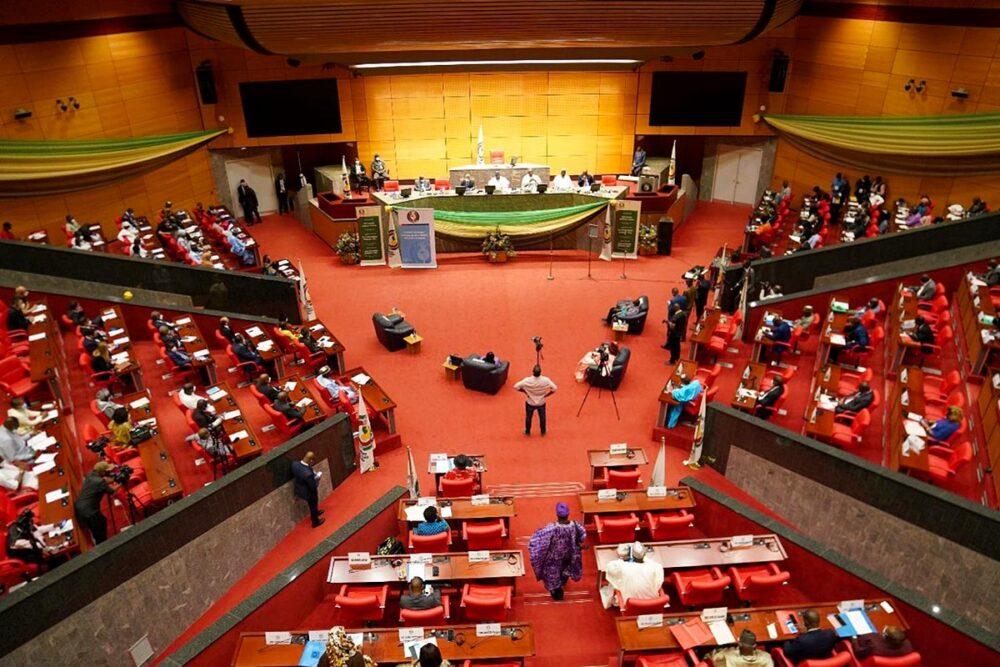
In a historic move toward accountability and reconciliation, The Gambia has established a hybrid tribunal designed to address the grave human rights violations committed during the decades-long rule of former president Yahya Jammeh. This innovative judicial body, which combines elements of international and national law, seeks to offer justice to victims and restore faith in the rule of law in a country still grappling with the scars of itS past. As The Gambia embarks on this ambitious experiment in transitional justice, the world watches closely, eager to see whether this bold initiative will pave the way for healing and change or face the same challenges that have hindered similar efforts in other regions. Against a backdrop of political turbulence and profound societal divides, the effectiveness of the Gambia’s hybrid tribunal may be pivotal in shaping the country’s future.
Understanding the Structure and functionality of The Gambia’s Hybrid Tribunal
The Gambia’s Hybrid Tribunal represents a groundbreaking approach to addressing the legal and humanitarian crises stemming from years of political repression under former President Yahya Jammeh. Comprised of both national and international judges, this tribunal aims to integrate local laws and global legal standards to ensure comprehensive accountability for grave human rights violations. the structure of the tribunal is designed to be inclusive and representative, featuring:
- Mixed Composition: Judges from The Gambia and international legal experts work collaboratively.
- Victim Participation: A framework that allows victims to engage actively, ensuring their voices are integral to the proceedings.
- Adaptive Jurisprudence: The tribunal employs both Gambian law and international norms to tackle issues of justice.
The functionality of the tribunal is equally innovative, as it transcends conventional legal proceedings to embrace a restorative justice approach.By emphasizing social reconciliation, the tribunal seeks to heal the divisions within Gambian society while delivering justice. Key elements of its operational framework include:
- Case Management: Efficient protocols to streamline the handling of cases and witness testimonies.
- Public Engagement: Mechanisms for transparency, enabling citizens to follow trials and outcomes.
- Comprehensive Outreach: Initiatives aimed at educating the public about the tribunal’s processes and importance.
Assessing the impact on Victims and Perpetrators in transitional Justice
The establishment of The Gambia’s hybrid tribunal marks a watershed moment in transitional justice, focusing on the nuanced repercussions for both victims and perpetrators. For victims, the tribunal represents a much-anticipated platform where their grievances can be acknowledged and addressed, possibly leading to enhanced healing and restoration. it is crucial that the tribunal provides victims with opportunities to share their stories, facilitating a therapeutic process while also ensuring that justice is served. By integrating local customs with international standards, the tribunal aims not only to hold perpetrators accountable but also to empower victims, making them active participants in the judicial process.
Conversely, the impact on perpetrators must also be carefully analyzed.The hybrid tribunal introduces a dual framework of accountability, combining traditional and modern justice approaches. This raises significant questions not just about punishment, but about reconciliation and the possibility of restorative justice. As the tribunal navigates complex political landscapes and societal sentiments, it may encourage a shift in the societal understanding of justice, leading to transformative outcomes. The following table outlines key considerations regarding the psychological and societal impacts for each group involved in the process:
| Group | Positive Impacts | Challenges |
|---|---|---|
| Victims |
|
|
| Perpetrators |
|
|
Recommendations for Enhancing Accountability and Transparency in Hybrid Justice Mechanisms
To bolster accountability and transparency in the Gambia’s hybrid tribunal, it is essential to adopt a multifaceted approach that engages various stakeholders in the justice process. Firstly, establishing a public oversight committee composed of civil society representatives, legal experts, and community members can ensure that the tribunal’s proceedings are monitored effectively. Additionally, implementing accessible public reporting mechanisms can definitely help disseminate information on trial progress, key decisions, and outcomes, fostering public trust and engagement. Such initiatives should prioritize regular updates, translating documents into local languages, and open forums for community feedback to enhance inclusiveness and involvement.
Moreover, the utilization of modern technology can substantially enhance transparency. By incorporating digital platforms for real-time access to court documents, audio-visual trial records, and interactive case tracking, the tribunal can ensure that all interested parties can engage with the processes being carried out. Alongside this,encouraging whistleblower protections and safeguarding measures for individuals who come forward with information about corruption or misconduct can act as a critical deterrent. This integrated approach must be accompanied by robust training programs focused on ethical standards and procedural fairness for all participants involved in the hybrid justice mechanisms.
Insights and Conclusions
the Gambia’s Hybrid Tribunal represents a significant step toward accountability and reconciliation in a nation emerging from a history marked by human rights abuses. This innovative legal framework blends local traditions with international standards, aiming to seek justice for victims while fostering societal healing. As the tribunal embarks on its proceedings, its success may serve as a blueprint for other nations grappling with similar challenges. The world will be watching closely to see whether this bold experiment in transitional justice can fulfill its promise of restoring dignity to victims and strengthening the rule of law in The Gambia.The outcomes of this tribunal not only hold implications for Gambian society but could also influence global discourse on justice and accountability in post-conflict settings. As this story unfolds, JURIST Legal News will continue to provide updates on developments within the tribunal and its wider repercussions for transitional justice efforts worldwide.










