
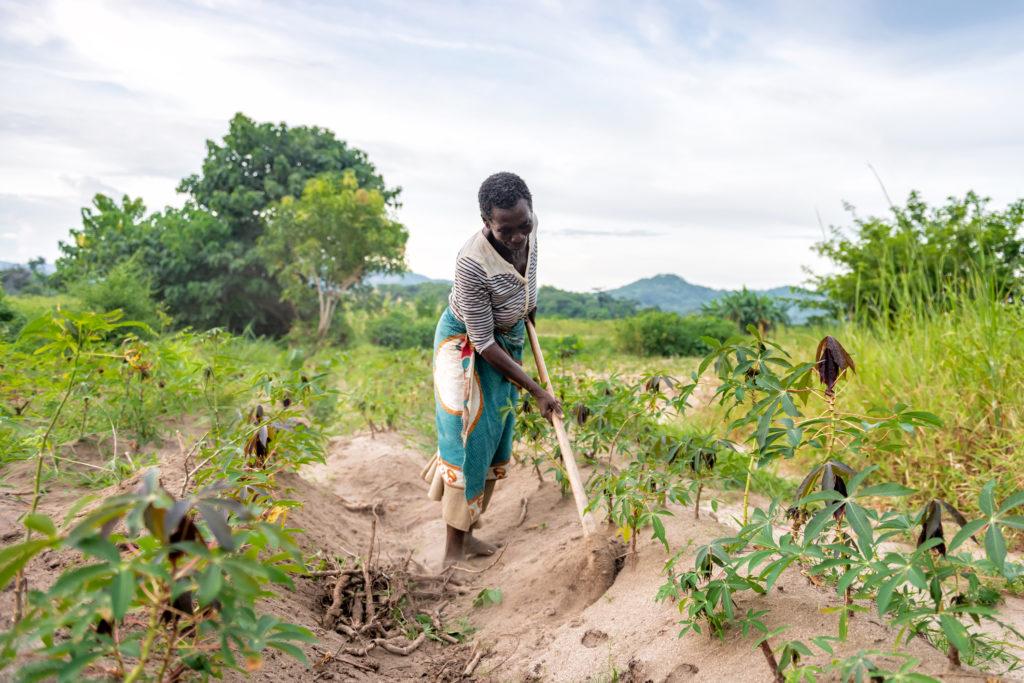
Advancing Agricultural Innovation: The Gambia’s Journey Towards Soil Sustainability
In the face of climate change and environmental challenges that jeopardize food security and livelihoods, The Gambia is making remarkable strides in implementing sustainable agricultural practices that emphasize soil health. This West African country is undergoing a significant transformation by adopting innovative soil management strategies aimed at boosting agricultural productivity while safeguarding the environment. Organizations such as the Center for International Forestry Research (CIFOR) and the World Agroforestry Centre (ICRAF) are at the forefront of this movement, promoting techniques that enhance soil security and productivity. This article delves into The Gambia’s initiatives, highlighting the crucial importance of soil health in achieving long-term food security through effective strategies aimed at fostering a sustainable agricultural ecosystem.
Innovative Agricultural Practices for Soil Health Improvement in The Gambia
The urgent need for reform within agriculture has ignited a surge of innovative sustainable practices focused on enhancing soil resilience across The Gambia. Given its vulnerability to climate change effects and land degradation, various stakeholders-including farmers, NGOs, and government bodies-are collaborating to implement strategies that boost soil vitality. These initiatives address pressing issues like erosion and nutrient depletion while advocating an integrated approach to land management. Some prominent practices gaining traction include:
- Agroforestry: Integrating trees with crops to enhance biodiversity and improve soil structure.
- Water Conservation Techniques: Implementing methods such as rainwater harvesting to maximize moisture retention.
- Cover Cropping: Planting crops during off-seasons to protect and enrich soils.
The positive outcomes from these strategic efforts are becoming increasingly apparent; farmers have reported significant improvements in both crop yields and overall soil quality. Furthermore, community training sessions have been instrumental in spreading knowledge about organic fertilizers and compost techniques. As more Gambian farmers adopt these sustainable methods, awareness grows regarding their potential impact on mitigating food insecurity while bolstering economic stability. A recent survey highlighted how these practices resonate within local communities:
| Sustainable Practice | Efficacy on Soil Health | User Feedback |
|---|---|---|
| Agroforestry | Biodiversity enhancement leading to improved fertility levels. | “Diverse crops yield better results!” |
Innovative Approaches for Agricultural Reform & Food Security Improvement
The Gambian strategy against escalating food insecurity involves embracing advanced agricultural methodologies that prioritize sustainability alongside robust initiatives for improving soil health. Central to this transformation is an emphasis on regenerative agriculture, which aims not only at restoring but also enhancing soils’ natural vitality while increasing crop outputs.
Techniques like crop rotation,cover cropping,and organic amendments,are actively utilized by farmers seeking improved nutrient availability along with fostering microbial activity within their soils.
Additionally,technology adoption, including mobile applications offering real-time weather updates or market prices,is significantly refining decision-making processes among local growers.
The Gambian government collaborates closely with NGOs alongside research institutions spearheading community-driven projects empowering local agrarians.
Through educational workshops,farmers gain insights into cultivating resilient crop varieties capable of enduring climatic fluctuations or pest pressures.
Joint ventures also focus upon establishing agroecological buffer zones,which serve dual purposes by safeguarding against erosion whilst promoting biodiversity.
A recent pilot project showcased below illustrates how these strategies positively influence both food production levels along with overall health status:
Collaboration as Key To Sustainable Soil Health Solutions
The journey towards achieving lasting improvements regarding sustainable soils emphasizes collaboration among diverse stakeholders involved.Farmers,researchers,and governmental agencies unite efforts aimed at developing innovative solutions designed specifically targeting enhanced fertility levels whilst combating degradation issues.Collaborative focuses include:
- Knowledge Exchange: Conducting workshops/training sessions educating participants about best practice implementations.
- Research Development: Partnering up with academic institutions tailoring solutions addressing localized conditions effectively.
- Community Participation: Engaging locals during decision-making processes ensuring culturally/environmentally appropriate outcomes.
To ensure longevity concerning ongoing initiatives surrounding healthy soils,it becomes essential creating networks fostering public-private partnerships facilitating funding/resources supporting innovation technologies/practices.For instance,the establishment/agricultural co-operatives allows pooling resources/sharing best-practice experiences leading ultimately towards increased productivity.A table below highlights successful partnerships showcasing their impacts:
Government-led Initiatives    Increased funding directed toward conservation projects focused around maintaining healthy soils.
NGO Collaborations   Enhanced access provided toward tools/resources supporting sustainability.
Private Sector Engagement  Innovation introduced via agro-tech advancements improving management capabilities over farmland.
Closing Thoughts
In conclusion,the commitment demonstrated by The Gambia towards transformative agriculture coupled alongside securing its precious topsoil represents pivotal strides made forward regarding long-term development amidst changing climates.As they embark upon this ambitious journey,collaboration between grassroots communities,state agencies,and organizations like CIFOR/ICRAF remains integral nurturing not just lands but livelihoods reliant upon them.By prioritizing innovative farming methodologies focusing squarely around maintaining healthy ecosystems,Gambians set forth examples other nations facing similar adversities may follow suit.As seeds planted today take root,a vision emerges-a more secure/prosperous tomorrow awaits all citizens alike.The success achieved through such endeavors will undoubtedly elevate farming outputs contributing additionally broader environmental objectives ensuring future generations inherit fertile grounds capable sustaining life itself.The road ahead may still be unfolding yet prospects remain bright indeed!










