
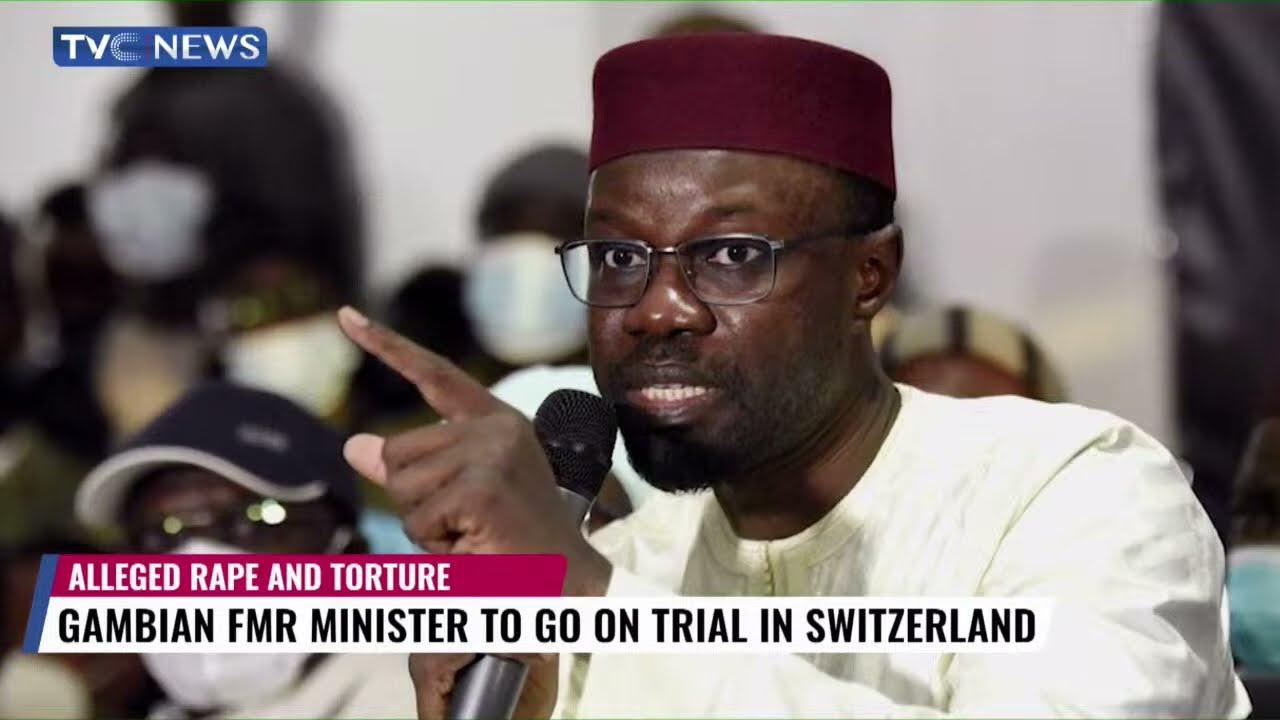
U.S. Trial Against Gambian Accused of Torture Raises Human Rights Concerns
In a landmark case that underscores the complexities of international justice, a former Gambian intelligence officer is facing trial in the United States for allegations of torture. The trial, which has drawn attention from human rights organizations, including Human Rights Watch, shines a light on issues of accountability and the pursuit of justice for victims of state-sponsored violence. The accused, who served under the regime of former president Yahya Jammeh, is alleged to have been complicit in widespread human rights abuses during his tenure. As the trial unfolds, it not only seeks to address the specific crimes attributed to the defendant but also raises broader questions about the role of international laws and norms in the fight against impunity for human rights violations.
US Trial Brings Gambian Torture Allegations to Light Amid Calls for Justice
The recent trial in the United States has unearthed harrowing allegations of torture linked to the former Gambian regime, igniting calls for accountability and justice for victims. Moreover, as survivors step forward to share their traumatic experiences, the courtroom has become a platform for revealing the systemic abuses that many endured during a dark chapter in Gambia’s history. The testimony of witnesses paints a chilling picture of coercion, brutality, and inhumane treatment, further complicating the political landscape both domestically and internationally.
Legal experts and human rights advocates are advocating for global actions against those responsible for such egregious violations. The trial serves not only as a legal proceeding but also as a crucial reminder of the obligation to uphold human rights universally. Among the key points raised during proceedings are:
- Allegations of physical abuse: Testimonies indicate systematic beatings and torture methods employed by state officials.
- Denial of due process: Accusations highlight the lack of legal recourse for victims during the Gambian regime.
- International support: Global human rights organizations are closely monitoring the trial, emphasizing the need for accountability.
Examining the Implications of Torture on Human Rights in Gambia
The ongoing trial in the United States of a Gambian national accused of complicity in torture has reignited critical discussions around the persistent issues of human rights violations in The Gambia.Torture, often used as a tool for political repression in the country, reflects a broader culture of fear that undermines the very fabric of human rights. Survivors of such abuses have reported severe physical and psychological traumas that not only affect individuals but also ripple through communities, eroding trust in governmental institutions and the rule of law. As the trial unfolds, attention must focus on how these actions have shaped both historical and contemporary narratives of human rights in The Gambia.
In considering the implications for human rights, several key factors emerge that highlight the pervasive consequences of torture:
- Violation of Basic Rights: The practice of torture fundamentally violates the principle of human dignity, which is enshrined in various international human rights treaties.
- Impact on Judicial Integrity: Instances of torture often lead to coerced confessions, undermining the integrity of judicial proceedings.
- Long-Term Psychological Effects: Survivors frequently experience lasting trauma, affecting their ability to reintegrate into society.
- International Accountability: Trials such as the one in the U.S. may serve as a catalyst for greater global accountability and pressure on the Gambian government to address past abuses.
Recommendations for Strengthening Accountability and Preventing Future Abuses
The current trial of a Gambian individual accused of torture underscores the urgent need for robust measures aimed at enhancing accountability within the justice system. To effectively address and prevent future human rights abuses,stakeholders should consider implementing the following strategies:
- Strengthening Legal Mechanisms: Revise and enforce laws that mandate stringent penalties for human rights violations.
- International Collaboration: Foster partnerships with global human rights organizations to ensure transparency and share best practices for justice reform.
- Victim Support Services: Establish thorough support systems for survivors of torture, including legal aid and mental health services.
- Training and Education: Provide regular training for law enforcement and military personnel on human rights standards and the legal ramifications of torture.
Additionally, the establishment of an independent oversight body could play a crucial role in monitoring the actions of those in power. Such a body would be responsible for:
| Oversight Functions | Description |
|---|---|
| Complaint Mechanism | Receive and investigate allegations of torture and mistreatment. |
| Regular Audits | Conduct audits of law enforcement practices to ensure adherence to human rights standards. |
| Public Reporting | Publish regular reports on findings and recommendations to enhance accountability. |
These comprehensive steps could help create a culture of accountability and serve as a deterrent against future human rights abuses, ultimately fostering a safer surroundings for vulnerable populations both in the region and beyond.
The Way Forward
the trial of the Gambian ex-official accused of torture marks a significant moment in the pursuit of justice for human rights abuses. As the proceedings unfold, they not only spotlight the atrocities committed during The Gambia’s past regime but also reaffirm the commitment of global actors to hold perpetrators accountable. Human Rights Watch and other advocacy groups continue to emphasize the importance of such legal actions in promoting accountability and deterring future violations. As the United States navigates its role in this critical international dialogue, the outcome of this trial will undoubtedly have implications that extend beyond its borders, inspiring hope for victims worldwide and underscoring the necessity of robust mechanisms to combat impunity. The eyes of the international community remain focused on this case, as it promises to set a precedent in the fight against torture and human rights abuses.










