
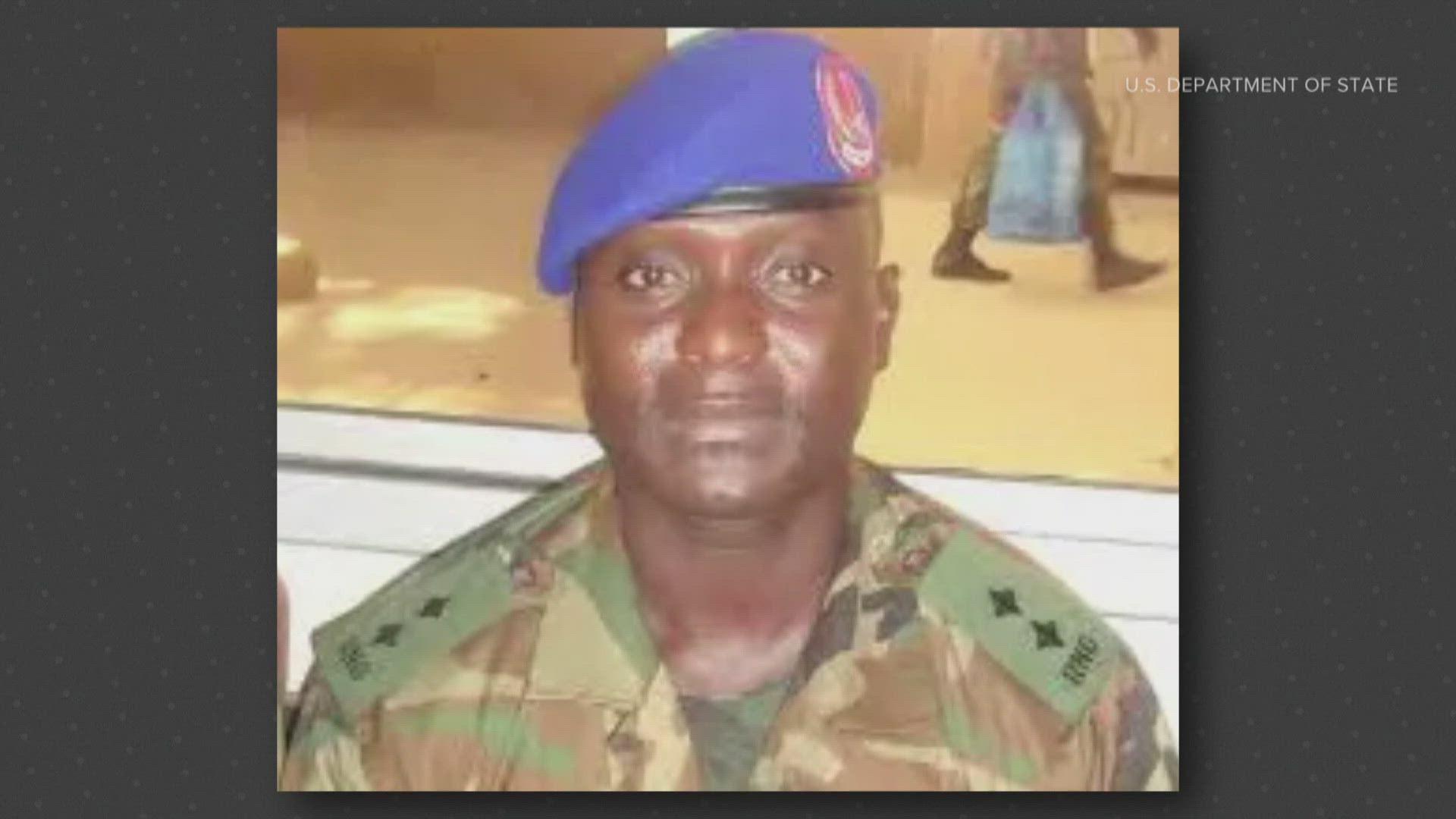
In a landmark trial that has captured international attention, a former Gambian soldier was convicted in a denver court for the brutal torture of individuals suspected of supporting a failed coup attempt in The Gambia in 2006. The case, which has raised significant questions about accountability for human rights abuses, highlights the ongoing struggle for justice faced by victims of political repression. The jury’s decision underscores the reach of U.S. courts in addressing crimes committed abroad and establishes a critical precedent for holding former military personnel accountable for their actions, regardless of where they occurred. As the details of the trial unfold, it sheds light on the dark practices that can emerge in the aftermath of political unrest and the enduring quest for justice by those wronged in the name of power.
Gambian Ex-Soldier found Guilty of Torture: Implications for Justice and Accountability
The recent conviction of a former Gambian soldier in a Denver court has sent ripples through international human rights communities, emphasizing the importance of global accountability for war crimes and human rights violations. The ex-soldier was found guilty of torturing individuals suspected of supporting a failed coup attempt in Gambia in 2006. This trial not only highlights the potential for justice in cases that often go unpunished but also poses significant implications for how countries handle cases of torture and political repression committed abroad. The court’s decision serves as a crucial reminder that perpetrators of human rights abuses are not beyond the reach of the law, no matter where they flee.
As the verdict reverberates through the realms of international justice, various organizations are calling for more robust efforts to hold accountable those implicated in similar atrocities.Some key implications of this case include:
- Strengthening legal frameworks: Enhanced international collaboration to prosecute human rights violators.
- Encouraging testimonies from victims: Providing a platform where survivors can share their stories without fear of reprisal.
- Raising awareness: Amplifying the ongoing issues of political torture to foster a culture of accountability.
Furthermore, the trial sheds light on the need for robust mechanisms to support victims and hold accountable those who facilitated human rights abuses. This case serves as a pivotal example that may inspire additional legal actions against other suspected perpetrators residing outside their home countries. The intricate balance between justice and the complexities of international law continues to evolve,shaped by high-profile cases such as this,whose outcomes are eagerly watched by activists and legal experts alike.
Examining the Evidence: Testimonies and the Role of International Human Rights Violations
The recent conviction of a gambian ex-soldier in a Denver trial underscores the complex interplay between personal testimonies and the overarching framework of international human rights violations. Testimonies from victims play a critical role in illuminating the harsh realities faced by those opposing oppressive regimes. during the trial, harrowing accounts revealed the extent of torture allegedly inflicted upon suspected supporters of a failed coup in Gambia in 2006, painting a visceral picture of the brutality that characterized the regime’s grip on power. Such personal narratives not only help to humanize the statistics surrounding human rights abuses but also serve as compelling evidence in legal proceedings against perpetrators of such acts.
Furthermore, the case highlights the growing recognition of extraterritorial jurisdiction in human rights cases, where individuals can be prosecuted outside their home countries for their roles in grave human rights violations. As the international community grapples with the accountability of former officials who commit such atrocities, the testimonies collected during the Denver trial may set a precedent for future cases. Key elements emerging from the testimonies included:
- Descriptions of torture methods used.
- Identification of command structures that sanctioned abuse.
- Impact of the abuse on victims and their families.
Recommendations for U.S. Policy on Refugee Protections and Human Rights enforcement
Considering recent judicial proceedings involving a Gambian ex-soldier found guilty of torturing suspected supporters of a failed coup, there is a pressing need for a re-evaluation of U.S. policy on refugee protections and human rights enforcement. Given the alarming implications of this case,the U.S. goverment should consider implementing comprehensive training programs for law enforcement and border agents. These programs should focus on understanding the complexities of refugee experiences, particularly regarding survivors of human rights abuses, to ensure sensitive and informed processing of asylum claims. Additionally, enhancing collaboration with international human rights organizations can fortify efforts to identify genuine victims of oppression.
Furthermore, the United States must adopt tighter scrutiny over its asylum adjudication processes to prevent the return of individuals to regimes where they are at risk of persecution. To achieve this, the following measures are recommended:
- Strengthening legal protections: Ensure all asylum seekers have access to competent legal portrayal during proceedings.
- Establishing a humanitarian parole option: Allow temporary safe passage for individuals coming from countries with demonstrated human rights violations.
- Increased resources for the Office of Refugee Resettlement: Provide adequate funding and support to handle complex cases of torture survivors.
To Conclude
the conviction of the Gambian ex-soldier serves as a stark reminder of the enduring impact of political violence and the quest for justice in the face of historical atrocities. As the courtroom in Denver bore witness to harrowing testimonies of torture and oppression linked to the failed 2006 coup, it underscored the complexities of accountability for actions taken in distant lands. This trial not only highlights the legal ramifications for those who have committed human rights abuses but also reinforces the importance of international cooperation in confronting such violations.With the sentencing phase yet to unfold, attention will turn to the broader implications of this case for victims seeking justice and for nations grappling with their pasts. As the legal process continues, the hope for closure and accountability remains a pivotal aspect of the ongoing narrative surrounding human rights and governance in The Gambia and beyond.










