
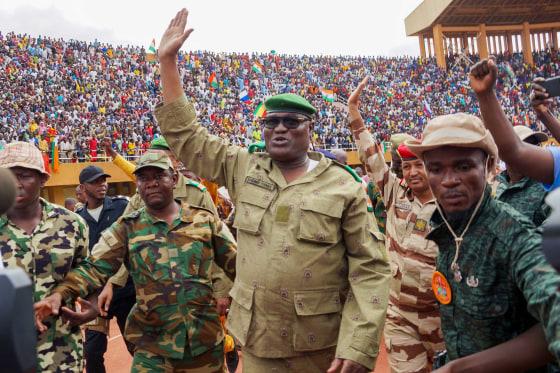
In a notable political development, Gabon’s transitional authorities have officially approved a list of candidates for the upcoming presidential election, including the recently appointed coup leader and former Prime Minister, Brice Oligui Nguema. This decision, which comes in the wake of a military coup that ousted President Ali Bongo Ondimba, raises crucial questions about the future of democracy and governance in the oil-rich Central African nation. As Gabon prepares for a pivotal vote,the implications of this selection extend far beyond its borders,stirring international attention and concern regarding the stability and democratic trajectory of the region. With the electoral process on the horizon, stakeholders and citizens alike are bracing for a crucial moment in Gabon’s political history.
Gabon Moves Forward with Controversial Candidates for Presidential Election
The upcoming presidential election in Gabon is set against a backdrop of controversy, with the proclamation that the military coup leader and a former prime minister will be among the candidates.Brice Clotaire Oligui Nguema, who took charge of the country following a coup, has positioned himself as a significant contender. In contrast, Alain-Claude Bilie-By-Nze, the ex-Prime Minister under the previous government, adds another layer of intrigue to the election landscape. As the nation grapples with political turbulence,the participation of these high-profile figures is raising questions about the future direction of Gabon’s democracy.
In light of these developments, several critical factors are coming to the forefront regarding electoral integrity and public sentiment. Among the main topics of debate are:
- Military Influence: Concerns regarding military influence in governance and potential voter fear.
- Public Support: How the public perceives candidates with military backgrounds.
- Political Reconciliation: The potential for healing after a tumultuous political period.
| Candidate Name | Background | Political Position |
|---|---|---|
| Brice Clotaire Oligui Nguema | Coup Leader | Military to Presidential Aspirant |
| Alain-Claude Bilie-By-Nze | Ex-Prime Minister | Opposition Leader |
Evaluating the Implications of a Coup Leader’s Approval on National Stability
The recent approval of a coup leader as a candidate for Gabon’s upcoming presidential elections presents myriad implications for national stability. In a country already grappling with political upheaval, the endorsement of military figures blurs the lines between governance and authority, raising concerns about the legitimacy of the electoral process. Citizens may experience a blend of cautious optimism and deep trepidation, as the prospect of military influence in civilian governance frequently enough suggests a shift towards authoritative rule rather than democratic principles. The involvement of former Prime Ministers alongside coup leaders complicates this narrative,as they carry varying degrees of public trust and past political baggage.
Analyzing the potential outcomes of this remarkable political shift involves recognizing several key factors that could impact stability:
- Public Sentiment: Discontent among citizens could lead to protests or active resistance, igniting unrest if they perceive the elections as a farce.
- Military Influence: A coup leader’s role may deter international relations and investments, raising concerns about national security and economic viability.
- Opposition Dynamics: The responses from established political parties, especially those previously sidelined, will be crucial in shaping the national discourse.
| Factor | Possible Impact |
|---|---|
| Public Trust | Potential erosion due to military involvement |
| International Relations | Strained ties affecting foreign aid and investment |
| Political Balance | Could lead to increased fragmentation and polarization |
Strategies for Voter Engagement Amidst Political Uncertainty in Gabon
The current political landscape in Gabon has created an environment ripe for innovative voter engagement strategies. With the approval of a coup leader and former Prime Minister among candidates for the upcoming presidential vote, it is crucial to bolster civic participation to ensure that the electorate remains informed and engaged. Grassroots movements can leverage social media platforms to disseminate information effectively, creating a dialog around the implications of these candidates. Organizing community forums can also provide a space for citizens to voice concerns and ask questions,fostering a sense of agency in the electoral process.
Additionally, collaborations with local NGOs can amplify efforts to encourage voter turnout.By organizing educational initiatives, these organizations can help demystify the electoral process, making it more accessible to first-time voters. A potential tool for showcasing these initiatives is through structured outreach programs that connect with various demographics, emphasizing the meaning of each individual’s vote. To illustrate the importance of diverse voter engagement, the table below highlights key demographics and tailored strategies:
| Demographic | Engagement Strategy |
|---|---|
| Young Voters | Social Media Campaigns, Influencer Partnerships |
| Women | Workshops on Political Participation, Empowerment Programs |
| Rural Communities | Local Meetings, Transportation Services to Polls |
| First-time Voters | Information Sessions, Q&A Forums |
In Summary
In a significant political development, Gabon’s electoral body has officially approved a slate of candidates for the upcoming presidential vote, including the coup leader and former Prime Minister, raising questions about the future of democratic governance in the Central African nation. As the nation braces for an election process closely monitored by both domestic and international observers,analysts will be watching closely to see how these approvals will impact voter sentiment and the overall political landscape. With a history marked by political turbulence, Gabon’s path forward remains uncertain, and the choices made by the electorate in the coming weeks will be crucial in shaping the country’s governance and stability. As the nation prepares for this pivotal moment, all eyes will be on the candidates and their promises to the Gabonese people.










