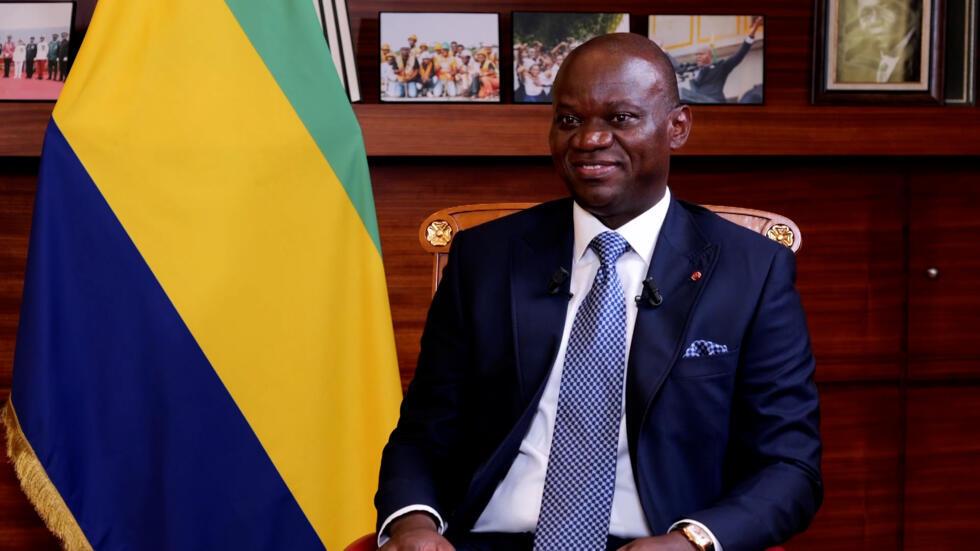
In a remarkable turn of events, Brice Oligui nguema, the military officer who led a coup to overthrow gabon’s long-standing government, has emerged victorious in the country’s recent election. His ascent from coup leader to elected head of state marks a significant shift in gabon’s political landscape, as citizens grapple with the implications of military rule transitioning into democratic governance.This unexpected outcome follows months of uncertainty and unrest, raising questions about the future direction of Gabon and the role of the military in politics.As Nguema prepares to take on the responsibilities of leadership, the eyes of both domestic and international observers are keenly focused on how he will navigate the complex challenges ahead.
Brice Oligui Nguema’s Rise: Understanding the Dynamics of Gabon’s Political Landscape
Brice Oligui Nguema’s ascension to power marks a significant shift in Gabon’s political dynamics,which have been characterized by decades of entrenched rule and instability. Following a military coup that ousted President Ali bongo, Nguema has rapidly transformed his image from a military leader to a potential democratic figure. His unexpected electoral success can be attributed to several factors, including:
- Public discontent: A populace weary of corruption and mismanagement.
- Military Support: A robust backing from the armed forces that enabled a swift takeover.
- Strategic Dialog: Skilled use of media to present himself as the agent of change.
In the backdrop of Nguema’s rise, the political landscape of Gabon has been transformed. Once dominated by the Bongo family, the vacuum left by the previous administration has opened doors for a fervent yearning for reform.Observers note that Nguema’s leadership style differentiates itself from past regimes in terms of attempting to engage with the populace and promising improvements in governance. Critical to his strategy is an approach that prioritizes:
- Economic Reform: Plans to address socio-economic issues plaguing the nation.
- Anti-Corruption Measures: Hopes of rooting out long-standing corruption.
- International Relations: Efforts to win back the trust of foreign partners and investors.
| Key Aspects | Pre-Coup Era | Under Nguema |
|---|---|---|
| Public sentiment | Frustration and disillusionment | Optimism for change |
| Government Structure | Centralized power | Decentralized reforms |
| International Image | Isolation and criticism | Re-engagement and diplomacy |
Analyzing the Implications of a Military Leader’s Transition to Civilian Leadership
The recent election victory of Brice Oligui nguema, following his controversial ascent to power in Gabon, raises critical questions about the dynamics between military authority and civilian governance. Historically, leaders with military backgrounds have either reinforced or dismantled democratic structures depending on individual motivations and regional contexts. gabriel’s case exemplifies how a military leader’s transition to a civilian role can lead to significant shifts in policy and governance, perhaps affecting national stability and socio-economic conditions.
- Consolidation of Power: Military leaders often seek to maintain control over the military, which can lead to a centralized governmental structure.
- Public Perception: Citizens may have mixed feelings about a former military figure leading a democratic government. trust can hinge on promises made during the transition phase.
- Regional Stability: The effects of such a transition are not limited to national borders, with implications for neighboring countries and regional alliances.
Moreover, the shift from military rule to a civilian framework can result in essential changes in the governance landscape. Notably, the practice of political patronage becomes crucial, as former military leaders may rely on established networks to maintain their power.in Nguema’s case, observers are already speculating on his approaches to governance and reform, positioning national dialogue as a potential pathway for legitimacy. Recent historical precedents indicate that successful transitions are frequently enough marked by inclusive dialogue, which fosters a sense of shared governance among citizens.
| Factor | Potential Implication |
|---|---|
| Military Influence | Continued dominance over security forces may threaten democratic practices. |
| Economic Policies | Potential shifts in policy could lead to economic instability or growth. |
| International Relations | Military leadership may alter foreign aid and diplomatic partnerships. |
recommendations for Transitioning Gabon towards Democratic Stability and Governance
To pave the way for enduring democratic stability in Gabon, a series of strategic initiatives should be considered.First and foremost, the establishment of transparent electoral processes must take precedence. This includes the implementation of self-reliant electoral commissions and the adoption of advanced voting technologies to prevent manipulation and enhance public trust in the electoral system. Moreover, fostering an inclusive political environment is essential; thus, encouraging participation from various political factions and civil society organizations will help create a more representative governance framework.
In addition, the government should prioritize institutional reforms aimed at strengthening the rule of law and fostering accountability. Key recommendations include:
- Revising the constitution to define clearer checks and balances among branches of government.
- Implementing comprehensive anti-corruption measures that promote transparency and integrity within public institutions.
- Investing in civic education programs that empower citizens to engage more actively in the democratic process.
A continuous dialogue between the government and the populace will be crucial in maintaining social cohesion and trust. Establishing a national forum to address grievances and facilitate democratic dialogue can significantly contribute to constructing a resilient democratic foundation in Gabon.
closing Remarks
Brice Oligui Nguema’s unprecedented rise from military leader to elected president marks a significant turning point in Gabon’s political landscape.His swift ascent following a coup reflects a complex interplay of popular support and discontent with the previous regime, positioning him as both a symbol of change and a figure of scrutiny as he navigates the challenges of governance. Observers will be closely watching Nguema’s administration for signs of reform, stability, and democratic commitment in a nation seeking to redefine its future. As Gabon embarks on this new chapter, the implications of his leadership will extend beyond its borders, resonating within the broader context of African politics and governance.