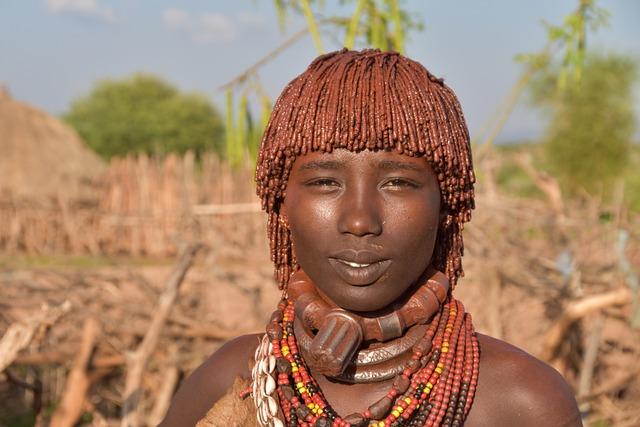
Is Ethiopia at War Again? A Rare Look at a Growing Conflict
The Horn of Africa has long been a region marked by its rich cultural tapestry and complex political landscape. However, recent developments in Ethiopia have raised alarm bells, signaling a resurgence of conflict that could further destabilize this crucial nation. The escalation of hostilities, particularly in the northern regions, has not only rekindled fears of widespread violence but also drawn international attention to Ethiopia’s intricate ethnic dynamics and the ramifications of its internal strife. In this article, we will explore the underlying tensions, the actors involved, and the potential consequences of this alarming trend, as Ethiopia grapples with the specter of war once more. As the situation unfolds, the eyes of the world turn towards Addis Ababa to understand what this means for the Ethiopian populace and the broader region.
Ethiopia’s Resurgence of Conflict Amidst Fragile Peace Negotiations
In recent weeks, Ethiopia has found itself once again grappling with the specter of conflict, raising questions about the durability of peace agreements brokered in previous months. Clashes have erupted in several regions, particularly in Tigray and Oromia, indicating deep-rooted tensions that remain unresolved. Observers are concerned that political fragmentation and ethnic rivalries are reigniting longstanding grievances, leading to a cycle of violence that threatens to derail ongoing peace negotiations. The Ethiopian government, while promoting a narrative of stability, faces criticism for its handling of ethnic unrest and allegations of human rights abuses that persist in the shadows of its public relations efforts.
The complexities of the regional dynamics and the interplay of various factions pose notable challenges to the peace process. Key factors influencing the current climate include:
- The role of armed groups: Various factions have emerged, each with its own agenda, making coherent negotiations increasingly tough.
- Political leadership: Internal power struggles within the ruling party have created uncertainty about the government’s ability to maintain order.
- International response: Global stakeholders are urged to pay attention, as their involvement could either exacerbate the situation or facilitate dialog.
| region | Recent Conflict Activity | Ethnic Tensions |
|---|---|---|
| Tigray | Renewed clashes reported | Strong ethnic divisions |
| Oromia | Violent protests | Political grievances |
| Amhara | Militia mobilizations | Inter-ethnic conflicts |
Humanitarian Crisis Escalates as Violence Displaces Thousands
Violence has erupted once more in Ethiopia, forcing thousands to flee their homes in search of safety. Reports indicate that the situation has worsened significantly over recent weeks, with clashes breaking out in various regions.The humanitarian crisis is particularly dire as communities grapple with the effects of displacement and disruption. Many families are now struggling to access basic necessities such as food, clean water, and medical care. Humanitarian organizations are calling for immediate international assistance to help those affected.
According to the latest updates, over 100,000 people have been displaced in just the last month, with a significant portion of the population lacking adequate shelter and protection. In response, several NGOs have mobilized efforts to provide aid, but ongoing violence complicates these missions. Key challenges include:
- Restricted access to conflict zones
- Limited funding for humanitarian operations
- Increased violence against aid workers
The international community is urged to take critical steps to address the burgeoning crisis. The following table illustrates the urgent humanitarian needs in various affected regions:
| Region | Displaced Population | Critical Needs |
|---|---|---|
| Amhara | 35,000 | Food, Shelter |
| Tigray | 45,000 | Medical Care, Water |
| Oromia | 25,000 | Sanitation, Nutritional Support |
International Community’s Role in Stabilizing Ethiopia’s Troubling Landscape
the international community is increasingly recognizing the urgency of stabilizing Ethiopia amid its re-emerging conflicts. Countries and organizations are called upon not just to observe but to actively engage in diplomacy and humanitarian efforts. Key roles include:
- Diplomatic Pressure: Nations can leverage their diplomatic relationships to encourage dialogue among conflicting parties.
- Humanitarian Aid: Supporting programs that provide food, medical assistance, and shelter to affected populations can alleviate immediate suffering.
- Monitoring and Reporting: Independent monitoring can provide vital insights into the ground situation, helping to hold parties accountable for violence and human rights abuses.
Moreover, international collaboration can help establish frameworks for long-term peace through economic development and governance reform. Potential strategies being discussed include:
| Strategy | Description |
|---|---|
| Peace Negotiations | Facilitating talks between warring factions to address grievances and propose solutions. |
| Economic Investment | Encouraging foreign investments that focus on sustainable development and job creation. |
| Education Initiatives | Investing in educational programs to foster understanding and tolerance among diverse communities. |
Concluding Remarks
As tensions escalate and the specter of conflict looms over Ethiopia once more, the implications of this crisis resonate far beyond its borders. The past complexities of the region, coupled with deep-seated ethnic divisions and political strife, pose significant challenges to peace and stability. As we continue to monitor the situation, it is indeed imperative for the international community to engage with Ethiopian leaders and support initiatives aimed at fostering dialogue and reconciliation. The future of Ethiopia hangs in the balance, and it is essential that global attention remains focused on this crucial issue. As we move forward, we will keep our readers informed on developments in this unfolding story, emphasizing the urgency of comprehensive solutions to prevent further escalation and suffering.