
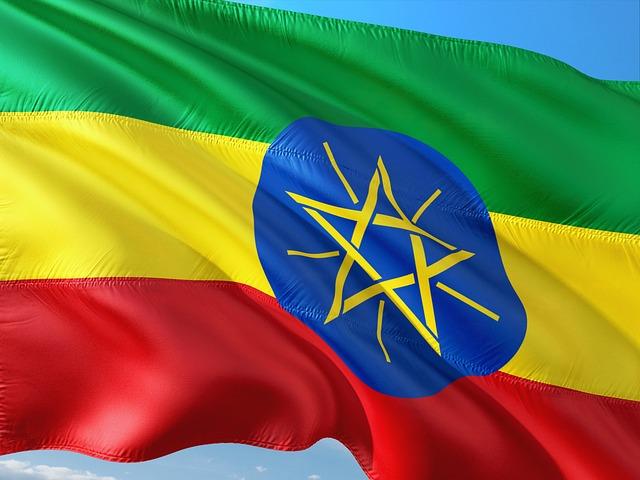
As tensions rise once again along the contested borders of Ethiopia and Eritrea, the specter of renewed conflict looms over the Horn of Africa. In a recent analysis published by Chatham House, experts warn that without urgent and effective de-escalation measures, the fragile peace that has hung precariously between the two nations since their historic rapprochement in 2018 could unravel, plunging the region back into violence. With a history marked by bitter conflict and deep-seated grievances, the call for diplomatic intervention has never been more pressing. This article explores the current state of affairs, the imperative for de-escalation, and the potential consequences of inaction in a region already grappling with multifaceted crises.
Urgent Call for Diplomatic Engagement to Avert Conflict in the Horn of Africa
As tensions between Ethiopia and Eritrea escalate, the international community faces a critical moment to intervene and facilitate dialogue between the two nations. Analysts warn that without immediate diplomatic efforts, the potential for conflict could spiral beyond control, with devastating consequences not just for the region but also for international stability. The existing disputes over borders, historical grievances, and issues of governance pose significant risks. Global leaders and organizations must prioritize the following actions:
- Immediate Diplomatic Initiatives: Establishing a multinational dialogue forum to address grievances and promote understanding.
- Humanitarian Assistance: Providing aid to affected populations to alleviate suffering and support peace-building efforts.
- Engagement of Regional Players: Encouraging neighboring countries to take an active role in mediating tensions.
Additionally, fostering cooperation on shared challenges such as climate change, economic development, and security threats can create common ground. Historical data suggests that nations involved in dialogue over mutual issues are less likely to engage in armed conflict. As such, it is essential for stakeholders to consider the broader implications of an armed confrontation, not merely in terms of immediate conflict but regarding long-term stability in the Horn of Africa. Key areas for focus include:
| Focus Area | Potential Outcome |
|---|---|
| Enhanced Communication | Reduction in Misunderstandings |
| Economic Collaboration | Improved Trade Relations |
| Cultural Exchange Programs | Increased Mutual Respect |
Key Drivers of Tension Between Ethiopia and Eritrea Demand Immediate Attention
The ongoing feud between Ethiopia and Eritrea has deep historical roots, characterized by a complex interplay of territorial disputes, political grievances, and ethnic tensions. Key issues fueling the current unrest include:
- Border Disputes: The unresolved border demarcation following the two nations’ war from 1998 to 2000 continues to wreak havoc on bilateral relations.
- Resource Competition: Both countries vie for control over fertile lands and lucrative resources, which exacerbates tensions and distrust.
- Political Rivalry: Ethiopia’s internal political dynamics, including the rise of nationalist movements, can have a direct impact on how it engages with Eritrea.
- External Influences: Regional powers and global interests often intervene, complicating the peace process and contributing to instability.
The urgency for de-escalation is underscored by the potential human cost associated with renewed conflict. Recent military buildups along the border have raised concerns among international observers. A lack of effective dialogue mechanisms only adds to the risk of misunderstandings leading to armed confrontations. To mitigate this risk, it is essential to:
- Establish Diplomatic Channels: Renewed talks facilitated by neutral parties could foster trust and open lines of communication.
- Promote Economic Cooperation: Joint ventures in trade and agriculture may provide mutual benefits and help to ease hostilities.
- Enhance Regional Security Frameworks: Engaging regional organizations to promote stability could play a crucial role in preventing escalation.
Recommendations for Strengthening Regional Stability Through Dialogue and Cooperation
To address the escalating tensions between Ethiopia and Eritrea, a concerted effort focusing on dialogue and cooperation is essential. Stakeholders must prioritize the establishment of bilateral forums where leaders and representatives can discuss grievances openly, fostering mutual understanding and respect. Key initiatives should include:
- Regular Diplomatic Engagements: Timing platforms for swift communication to mitigate misunderstandings.
- Cultural Exchanges: Promoting people-to-people interactions to break down barriers and rebuild trust.
- Joint Economic Projects: Encouraging investments that bind both nations economically, reinforcing peace through shared interests.
Furthermore, international partners can play a pivotal role by facilitating mediation efforts and providing support for peace-building activities. Creating spaces for third-party mediators can enhance dialogue efficacy, ensuring that both sides have access to impartial perspectives. The following strategies can enhance commitment to peace:
| Strategy | Description |
|---|---|
| Track II Diplomacy | Involve non-official actors to foster informal dialogue between communities. |
| Peace Education Programs | Implement education initiatives within both nations to promote a culture of peace and conflict resolution. |
| Neutral Convening Bodies | Engage credible organizations to facilitate joint meetings and negotiations. |
Future Outlook
In summary, the rising tensions between Ethiopia and Eritrea signal a precarious moment for both nations, as the specter of war looms large. As highlighted in the recent report by Chatham House, a concerted effort towards de-escalation is imperative to avert further conflict and promote stability in the Horn of Africa. Diplomatic engagement and open channels of communication will be crucial in addressing underlying grievances and fostering a climate of cooperation. The international community must play an active role in facilitating dialogue, ensuring that lessons from the past are not forgotten as both nations navigate this critical juncture. Without proactive measures to de-escalate the situation, the potential for renewed hostilities could have dire consequences not only for Ethiopia and Eritrea but for the region as a whole. As the world watches, the call for peace remains urgent and necessary.










