
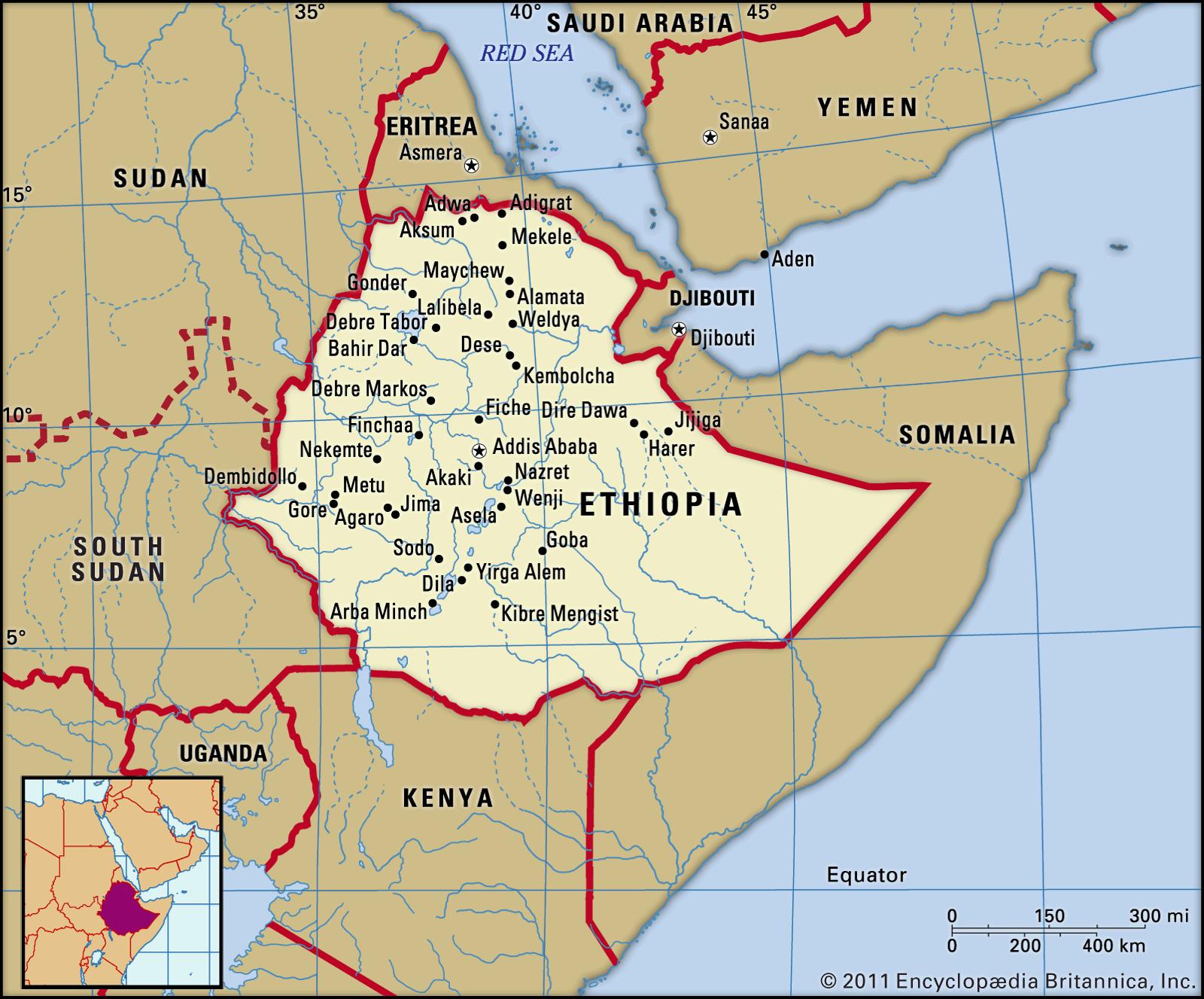
In a critically important announcement that may reshape the volatile dynamics of the Horn of Africa, Ethiopian Prime Minister Abiy Ahmed has emphatically stated that his country does not seek war with neighboring Eritrea. This declaration comes amidst rising tensions and past disputes between the two nations, which have grappled with conflict and competition for decades.Amidst a backdrop of calls for peace and stability, Abiy’s comments reflect a strategic pivot towards diplomacy and cooperation, aiming to foster a harmonious relationship with Eritrea and mitigate the potential for renewed hostilities.The implications of this stance could be profound, as both nations navigate their complex histories and the broader geopolitical landscape of the region.
Ethiopia’s Commitment to Peace: PM Abiy Ahmed’s Call for Dialogue with Eritrea
In a recent address, Prime Minister Abiy Ahmed reaffirmed Ethiopia’s steadfast commitment to fostering peace in the Horn of Africa, particularly in its relationship with Eritrea. Ahmed emphasized the importance of dialogue over conflict, stating that Ethiopia has no intention of engaging in warfare with its neighbor. His message comes amidst heightened tensions and a growing call for diplomatic resolutions, underscoring the need for cooperation to address shared challenges in the region.
Highlighting the benefits of peace, Ahmed outlined several key points that the government aims to pursue in its engagement with Eritrea:
- Economic Collaboration: Strengthening trade ties and investment opportunities to bolster economic growth.
- Cultural Exchange: Promoting mutual respect and understanding through cultural initiatives.
- Regional Stability: Working together to address common security threats in the region.
| Aspect | Ethiopia’s Approach |
|---|---|
| Conflict Resolution | Dialogue and diplomacy |
| Trade Relations | Increased economic cooperation |
| Security | Collaborative efforts |
Understanding the Historical Tensions and Current Dynamics between Ethiopia and Eritrea
The long-standing tensions between Ethiopia and Eritrea have roots deep in history, shaped by decades of conflict and evolving political landscapes. eritrea gained independence from Ethiopia in 1993 following a brutal and protracted war,but peace was short-lived as border tensions simmered. The most significant flare-up occurred from 1998 to 2000, leading to thousands of casualties. This war left a legacy of mistrust and division, exacerbated by the subsequent militarization of borders and political rhetoric that fueled hostility on both sides. The Algiers Agreement in 2000 formally ended the conflict but failed to resolve underlying issues, setting the stage for a tense relationship that persisted for nearly two decades.
Though, recent developments signal a shift in this narrative. The peace agreement signed in 2018 between Abiy Ahmed and Eritrean President Isaias Afwerki marked a pivotal moment, initiating diplomatic exchanges and fostering a semblance of reconciliation. Despite these strides, unresolved grievances linger, making it essential for both nations to navigate a delicate path. Current dynamics include:
- Increased diplomatic engagement
- Joint economic initiatives
- Shared security concerns,particularly regarding regional instability
- Ongoing dialogues to address border issues
Yet,as expressed by PM Abiy Ahmed,both Ethiopia and Eritrea exhibit a mutual desire to avoid war,understanding that peace is imperative for their mutual prosperity and stability.
Recommendations for Constructive Engagement and Regional Stability in the Horn of Africa
Considering recent statements from Ethiopian Prime Minister Abiy Ahmed expressing a desire for peace with Eritrea, it is crucial to outline actionable strategies that can foster constructive engagement and enhance regional stability in the Horn of africa. Collaborative dialogue must be prioritized between the nations, focusing on common interests and mutual benefits. To facilitate this, the following approaches could be employed:
- Diplomatic Initiatives: Encourage sustained diplomatic efforts, including regular high-level meetings between Ethiopia and Eritrea.
- Community-Based Programs: Implement cross-border initiatives that promote people-to-people interactions, cultural exchanges, and economic cooperation.
- international Mediation: Involve neutral international organizations to mediate discussions and mitigate tensions.
- Security Collaborations: Develop joint security frameworks that address the root causes of conflict, enhancing trust through shared security concerns.
Moreover, addressing underlying socioeconomic challenges in the region can substantially contribute to peacebuilding efforts. Creating platforms for youth engagement and empowering local communities through development projects can alleviate grievances and strengthen internal cohesion. The following strategies are suggested:
| Focus Area | Proposed Action |
|---|---|
| Economic Development | Incentivize cross-border trade and investment opportunities. |
| Education | Establish scholarship programs for students from both nations. |
| Healthcare | Promote public health initiatives targeting shared diseases. |
while Ethiopia’s leadership openly states a preference for peace over conflict with Eritrea, it is indeed essential that both nations engage in meaningful actions that reflect this commitment. by focusing on dialogue, community development, and collaborative problem-solving, the Horn of Africa can strive toward a more stable and prosperous future.
In Summary
Prime Minister Abiy Ahmed’s assertion that Ethiopia seeks to avoid war with Eritrea underscores the complexities of the nation’s geopolitical landscape.As both countries navigate their historical tensions, the Ethiopian leadership’s commitment to diplomatic resolution reflects a desire for stability in the region. With ongoing challenges, including humanitarian concerns and internal political dynamics, the international community watches closely. The hope remains that through dialogue and cooperation, both nations can forge a path toward peace and mutual understanding, ultimately benefiting their populations and the Horn of africa as a whole.










