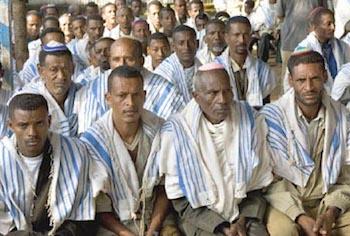
In the heart of East Africa, nestled among the rugged landscapes and ancient traditions of Ethiopia, a small community stands as a testament to resilience and faith-the last Jews of Ethiopia. This unique group, known as the Beta Israel, has faced centuries of persecution, poverty, and diaspora, all while holding tightly to their religious and cultural heritage. Despite meaningful challenges, including a forced migration to Israel and the subsequent struggle to preserve their identity in a rapidly changing world, the Beta Israel continue to maintain their traditions amid modernity. This article explores the enduring spirit of this remarkable community, shedding light on their history, current struggles, and the deep connections that bind them to their Jewish roots. Through interviews, personal stories, and firsthand observations, we delve into the complexities of life in Ethiopia for the last remaining Jews, illuminating their hopes for the future and the cultural legacies they strive to protect.
Exploring the Cultural Heritage of Ethiopia’s Jewish Community
In the heart of Ethiopia lies a resilient Jewish community, known as the Beta Israel, whose roots extend deep into the country’s history. Traditionally seen as custodians of ancient customs, these communities have preserved unique practices and beliefs that reflect their rich cultural legacy. Key elements of their heritage include:
- Festivals and Celebrations: Events such as Sigd, which is celebrated 50 days after Yom Kippur, highlight the community’s connection to Jewish tradition.
- Culinary Traditions: Distinct dishes like injera served with spicy stews are staples that showcase the fusion of Ethiopian and Jewish flavors.
- Traditional Dress: The wearing of the white Shamma (a cotton cloth) serves as a significant symbol of their identity, especially during religious occasions.
Despite facing numerous challenges, the Jewish population in Ethiopia remains steadfast in keeping their cultural heritage alive. Over the years,global attention has turned towards their plight,shedding light on the social and political hurdles they encounter. In recent months, substantial efforts have been made to support community members facing displacement and providing educational opportunities. A snapshot of the current state of the Ethiopian Jewish community is reflected in the table below:
| Aspect | Status |
|---|---|
| Community Size | Approximately 8,000 |
| Educational Programs | Increased funding and support for schools |
| Cultural Events | Revival of traditional festivals |
Challenges and Triumphs of the Last Ethiopian Jews
The remaining Jewish communities in Ethiopia face a complex tapestry of challenges rooted in cultural displacement, social integration, and the imperatives of preservation. Economic hardship is prevalent, making it challenging for families to maintain their traditions and practices as they transition into a rapidly modernizing society. The precariousness of their identity is further compounded by gaps in educational resources and access to religious instruction. With many children being raised in environments where Jewish customs are often overshadowed by dominant local cultures, the community is confronted with the fear of erasure.
Despite the myriad of obstacles,the resilience of these communities is stirring,showcasing remarkable triumphs that echo throughout their struggle. Cultural initiatives have emerged, led by community leaders determined to revive and maintain their heritage through storytelling, music, and traditional celebrations. Additionally, efforts to foster connections with global Jewish organizations have resulted in support for educational and cultural programs. The unwavering spirit of the community is illustrated in events designed to celebrate their unique identity,which not only enriches their local landscape but also bridges connections with the broader Jewish diaspora.
Travel Recommendations for an Authentic Experience in Ethiopia
To fully immerse yourself in the rich cultural tapestry of Ethiopia, visiting the communities of the Beta Israel, also known as Ethiopian Jews, should be at the top of your itinerary. Nestled in the mountainous regions of Gondar and the rural communities of Addis Kiryat, these locales offer a compelling glimpse into the unique practices and traditions of a people whose heritage spans thousands of years. Visitors are encouraged to engage with the locals, partake in the vibrant religious festivals, and attend traditional gatherings to witness authentic cultural expressions. Some must-see experiences include:
- Religious Observances: Attend a Shabbat service or a Jewish holiday party.
- Handicraft Markets: Explore local craftsmanship, especially stunning handwoven items.
- Culinary Experiences: Savor traditional Ethiopian-Jewish dishes like injera with a special twist.
For a deeper understanding of their values and traditions, consider staying in family-run guesthouses, which often provide an intimate setting to learn about daily life within these communities. It’s also advisable to engage a local guide who can navigate the nuances of the culture and facilitate introductions to families willing to share their stories. Respect and understanding are key, especially when interacting with the elders who carry the history of their people. Below are some key regions and community highlights:
| Location | Highlights | Best Time to Visit |
|---|---|---|
| Gondar | Historic synagogues, colorful festivals | September to November |
| Addis Kiryat | Local cuisine, community interactions | January to March |
In Summary
the journey to visit the last remaining Jews of Ethiopia is not just a pilgrimage to a community facing the challenges of modernity and tradition; it is a profound acknowledgment of a rich heritage that has persevered through adversity. As the last bastions of a culture steeped in millennia of history reckons with the pressures of globalization and assimilation, it is imperative that the world recognizes and supports their ongoing struggle to maintain their identity. The story of these Jews is a testament to resilience, faith, and the enduring human spirit. As we reflect on their plight and legacy, we are reminded of the importance of preserving cultural diversity and heritage in our increasingly homogenized world. Efforts to document,support,and celebrate lives like those in Ethiopia echo far beyond their borders,shining a light on the universal themes of survival and belonging. Whether through advocacy, awareness, or tourism, each visit to Ethiopia’s last Jews serves as a vital connection to the broader narrative of Jewish history and the ongoing fight for cultural preservation-one that demands our attention and action.