
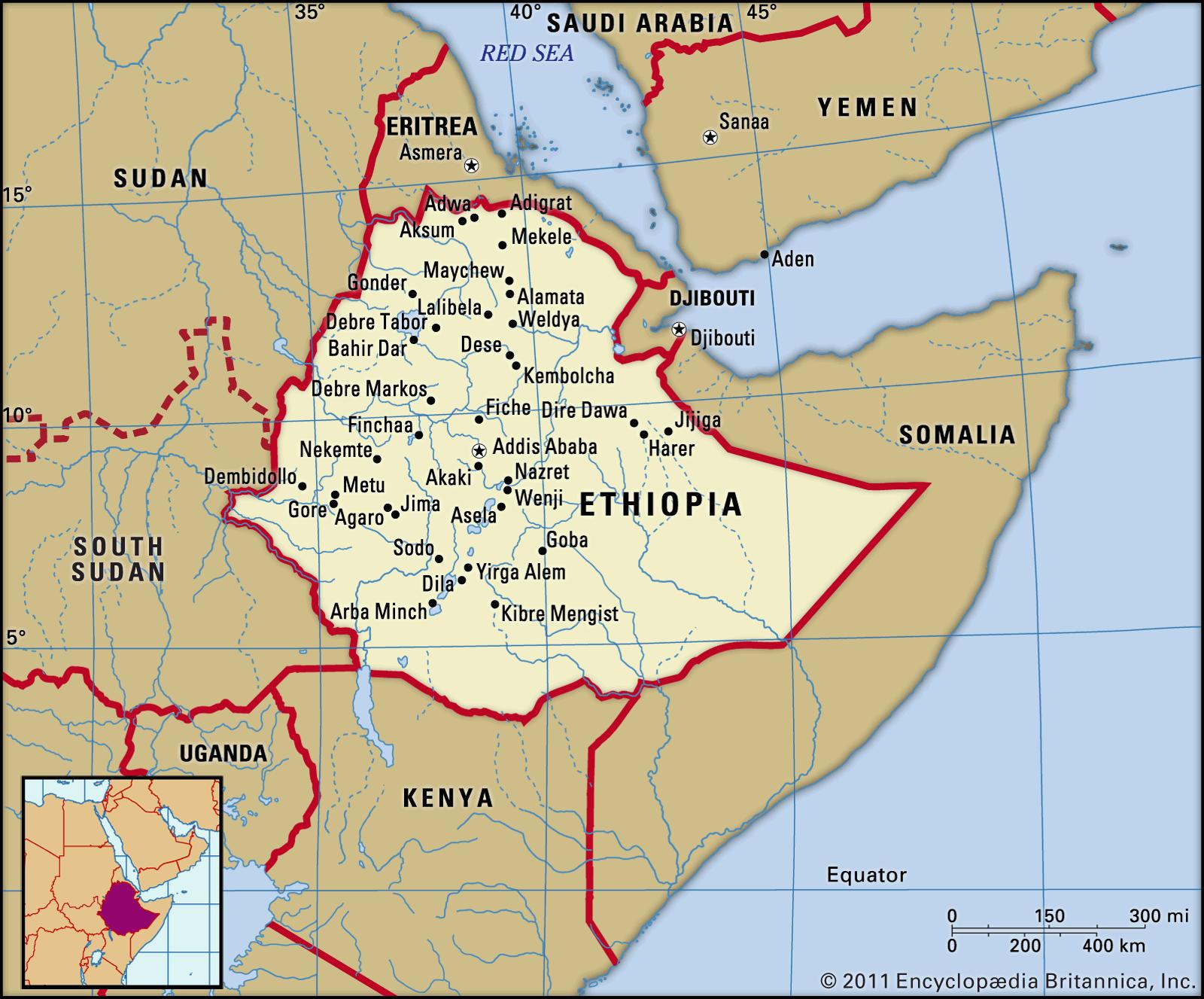
In a decisive move to combat the burgeoning black-market for money transfers, Ethiopia’s central bank has announced a comprehensive strategy aimed at tightening regulations and imposing stringent sanctions on illicit financial practices. The Ethiopian financial landscape has been marred by a rapidly growing underground economy, undermining government efforts to stabilize the country’s currency and promote legitimate financial systems. As the authorities seek to restore order and enhance transparency within the financial sector, this crackdown on black-market remittances signifies a broader commitment to safeguarding the national economy and curbing illegal financial transactions that affect millions of Ethiopians relying on remittances from abroad. With calls for a concerted effort to disrupt these unofficial channels gaining momentum, the central bank’s latest measures signal a critical juncture in Ethiopia’s fight against economic informality and the quest for greater fiscal integrity.
Ethiopia’s Central Bank Implements Stricter Measures Against Illegal Money Transfers
The central bank of Ethiopia has taken decisive action to combat the pervasive issue of illegal money transfers that have plagued the country’s financial system. Amid growing concerns about currency devaluation and economic instability, officials have initiated a series of stringent measures aimed at curbing the activities of illicit money transfer operators. These measures include the implementation of enhanced monitoring systems and the deployment of additional regulatory frameworks designed to identify and penalize individuals and organizations involved in black-market transactions. The central bank’s commitment to fostering a stable and transparent financial environment is underscored by its ongoing efforts to build public awareness around the legal channels available for money transfers.
In light of these developments, the central bank has highlighted the potential sanctions that will be imposed on violators, which may include hefty fines and potential imprisonment depending on the severity of the offenses. Furthermore, officials are urging citizens to report any suspicious activities related to illegal money transfers through established reporting mechanisms. This proactive approach is intended not only to protect the integrity of the Ethiopian economy but also to reassure the population about the government’s readiness to tackle financial crimes head-on. A recent table illustrates the anticipated penalties and corresponding offenses for clarity and public awareness:
| Offense | Penalty |
|---|---|
| Operating an illegal money transfer service | Up to 5 years imprisonment and hefty fines |
| Involvement in currency speculation | Severe fines based on transaction amounts |
| Failure to report illegal activities | Possible imprisonment and fines |
Impact of Black-Market Transactions on Ethiopia’s Economy and Financial Stability
The proliferation of black-market transactions has posed significant challenges to Ethiopia’s economy, undermining efforts to create a stable financial environment. These illicit dealings not only erode the government’s control over monetary supply but also distort market prices, leading to rampant inflation. As a result, everyday citizens are often left grappling with increased costs of living and diminished purchasing power. The situation is exacerbated by the limited availability of foreign currency through official channels, pushing individuals and businesses to seek alternative, unregulated sources for currency exchanges, which often carry exorbitant fees and risks.
To combat this escalating issue, the National Bank of Ethiopia has pledged to impose stringent sanctions on those engaging in illegal money transfers. The intended crackdown aims to restore public confidence in the formal banking system and stabilize the nation’s economy. Key measures include:
- Enhanced Monitoring: Increased surveillance of suspicious financial activities.
- Penalties: Imposing heavy fines and legal consequences for violators.
- Public Campaigns: Educating citizens on the risks associated with black-market transactions.
With these actions, the government’s goal is to strengthen the financial framework, ensuring that economic growth remains sustainable and inclusive for all Ethiopians. By addressing the underlying causes of black-market activities, authorities hope to foster a more robust environment conducive to legitimate trade and investment.
Recommendations for Strengthening Legal Financial Channels to Combat Illicit Transfers
To effectively tackle the issue of illicit money transfers, it is imperative for Ethiopia to enhance its existing legal financial frameworks. Strengthening regulations that govern the formal transfer of funds can provide a credible alternative to black-market channels. Key strategies include:
- Enhancing Transparency: Implement systems that require financial institutions to openly report transaction data to regulatory bodies.
- Incentivizing Formal Channels: Offer reduced transaction fees for customers who use legal money transfer services to encourage wider participation.
- Public Awareness Campaigns: Educate citizens about the risks associated with black-market money transfers and the benefits of using established systems.
- Strengthening Cross-Border Cooperation: Collaborate with neighboring countries to streamline and secure transnational money transfer processes.
Moreover, the government can establish a task force dedicated to monitoring and enforcing compliance across financial sectors. This team should focus on:
- Regular Audits: Conduct audits of financial institutions to ensure adherence to regulations and prevent illicit transactions.
- Technological Integration: Leverage technology such as blockchain for transparent and secure money transfers.
- Collaboration with Non-Governmental Organizations: Partner with NGOs to identify at-risk communities and provide them with resources for legitimate financial services.
| Strategy | Expected Outcome |
|---|---|
| Enhancing Transparency | Increased trust in financial institutions |
| Incentivizing Formal Channels | Higher usage of legal money transfer services |
| Public Awareness Campaigns | Informed citizens making safer choices |
| Cross-Border Cooperation | Smoother flow of legitimate funds |
Wrapping Up
In conclusion, Ethiopia’s decisive move to clamp down on black-market money transfers marks a significant step in its ongoing efforts to stabilize the economy and enhance the integrity of its financial systems. By targeting illicit transactions and instituting tough sanctions, the National Bank of Ethiopia aims to reinforce the legitimacy of the formal financial sector, ultimately benefiting the country’s citizens and fostering greater economic growth. As the government seeks to strike a balance between regulatory oversight and financial inclusion, the impacts of these measures will be closely monitored-both in terms of their effectiveness in curbing illegal activities and their implications for the millions who rely on remittances for their livelihoods. As this situation unfolds, stakeholders will be keenly assessing how Ethiopia navigates the complexities of a rapidly evolving financial landscape.










