
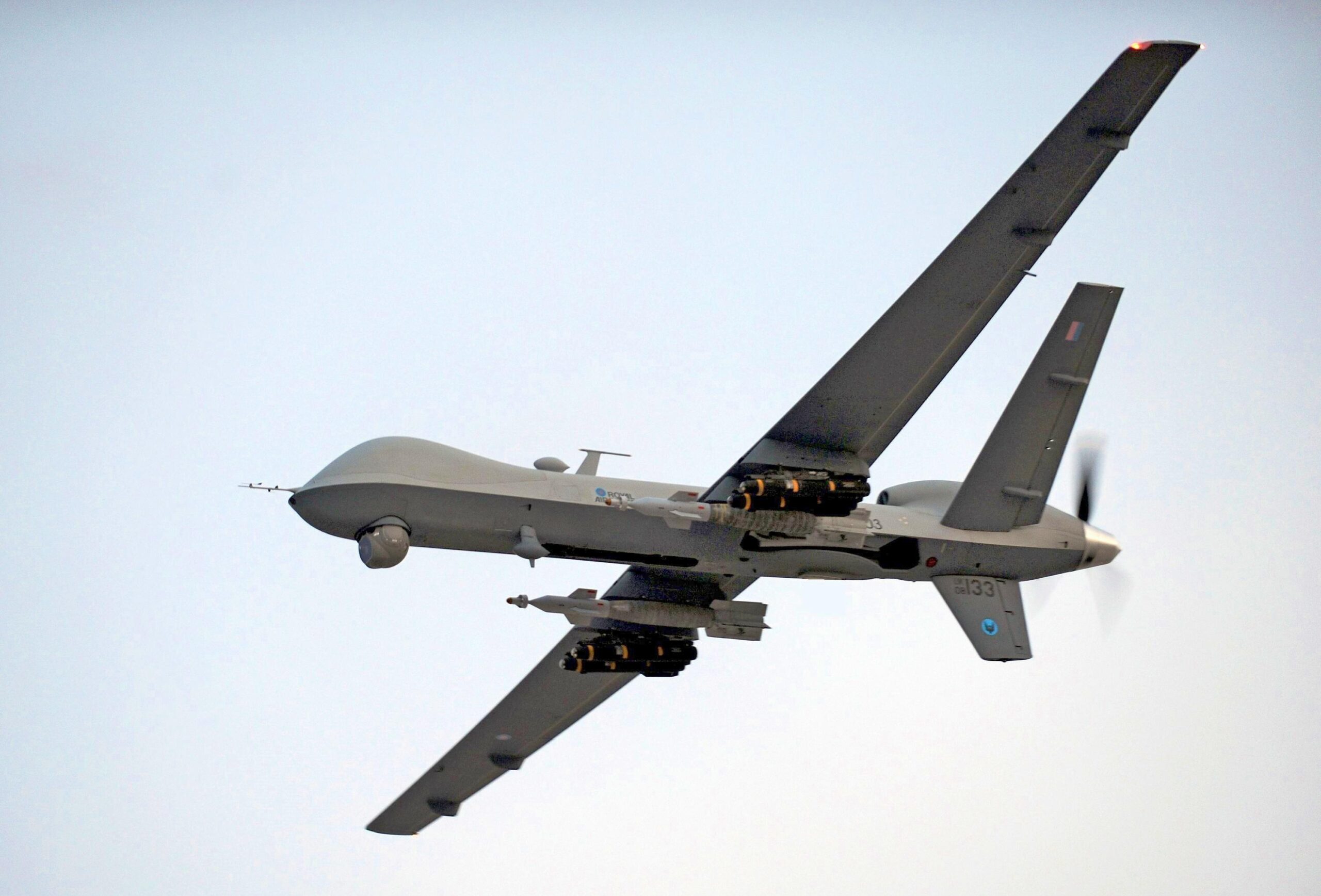
Deadly Skies: Drone Warfare in Ethiopia and the Future of Conflict in Africa
As the sun rises over the tumultuous landscapes of Ethiopia, a silent yet decisive battle rages above, where the skies have transformed into a theater of warfare. Drones, once a symbol of precision and technological prowess, have now become pivotal instruments in the ongoing conflicts across the Horn of Africa. This evolution marks a shift not only in Ethiopia’s military strategy but also in the broader dynamics of conflict across the continent,raising alarms and prompting discussions among policymakers and analysts alike. With reports indicating an increase in drone usage in military operations, especially in the complex civil strife that has gripped Ethiopia, the implications for both regional and international security are profound. As the European Council on Foreign Relations (ECFR) explores the ramifications of this aerial arms race, questions emerge: How will drone warfare shape the future of conflicts in Africa? What lessons can be gleaned from Ethiopia’s experience as othre nations on the continent grapple with their own security challenges? In this article, we delve into the intricacies of drone warfare in Ethiopia, its role in modern conflict, and what it portends for Africa’s geopolitical landscape.
The Rise of Drone Warfare in Ethiopia and Its Implications for Regional Stability
The recent escalation of drone warfare in Ethiopia marks a pivotal shift in the landscape of conflict on the African continent. As armed groups and government forces increasingly deploy drones for surveillance, reconnaissance, and targeted strikes, the implications for regional stability become ever more pronounced. Key factors driving this change include:
- The availability of advanced UAV technology, wich has been democratized through global supply chains.
- The growing trend of asymmetric warfare, where smaller factions leverage drones to counter more traditional military capabilities.
- The external influence of foreign governments and non-state actors that provide both funding and technological support for drone operations.
Moreover, the ramifications of drone warfare extend beyond mere military tactics, affecting humanitarian situations and diplomatic relations within the region. The possible consequences include:
- Increased civilian casualties, exacerbating humanitarian crises and fueling resentment among local populations.
- Aerospace pollution and destruction of critical infrastructure, complicating post-conflict recovery efforts.
- Shifting alliances as neighboring countries grapple with the implications of drone proliferation on their own national security strategies.
| Impact | Potential Challenges |
|---|---|
| Humanitarian Consequences | Increased displacement and suffering among civilians |
| Regional Security Dynamics | Escalation of arms races and retaliatory actions |
| International Relations | Strained diplomatic ties as nations navigate new threats |
Analyzing the Strategies Behind Ethiopia’s drone Utilization in Conflict Zones
The Ethiopian government’s strategic integration of drone technology in conflict zones has become a focal point of both military efficiency and humanitarian concern.Drones are employed not merely for surveillance but are pivotal in executing precision strikes against targeted entities, frequently enough with minimal ground troops involved. The following strategies illustrate the multipronged approach to drone utilization:
- Intelligence Gathering: Drones provide real-time data, enhancing situational awareness in combat zones.
- Cost-Effectiveness: Operating drones is generally cheaper compared to deploying manned aircraft, making them an attractive option for resource-constrained nations.
- Reduced Casualties: precision strikes aim to limit collateral damage and civilian casualties, though this remains a contentious issue.
Ethiopia’s use of drones also reflects a broader trend in African militaries toward embracing technology in conflict. This shift raises notable questions about the implications for regional security and geopolitical dynamics. A comparative analysis can be found in the table below, showcasing drone expenditures among selected African nations:
| Country | Drone Budget (USD) | Year Implemented |
|---|---|---|
| Ethiopia | $50 million | 2018 |
| South Africa | $30 million | 2016 |
| Kenya | $25 million | 2017 |
| Nigeria | $20 million | 2015 |
This evolving landscape of drone warfare not only changes the dynamics of internal conflicts but also challenges existing norms of engagement, prompting a reevaluation of international humanitarian laws and the ethical implications of aerial combat.
Navigating the Future of African Conflicts: Lessons learned and Policy Recommendations
In Ethiopia, the growing use of drone warfare has not only changed the dynamics of the ongoing conflict but also carries significant implications for the broader African landscape. The Ethiopian case illustrates how advanced technologies are reshaping traditional military strategies, with remote operations enabling states to exert control while minimizing direct troop engagements. This evolution raises critical concerns regarding accountability and civilian protection. As drone usage becomes more prevalent, stakeholders must grapple with the potential for increased lethality and the exacerbation of already complex humanitarian crises. The international community must prioritize frameworks that promote responsible use and oversight of drone technology, ensuring that such tools do not become a source of further instability.
To navigate the complexities introduced by drone warfare and other emerging technologies, several key policy recommendations can be adopted. Thes include:
- Strengthening Regional Cooperation: African nations should collaborate on regulatory frameworks that govern the use of drones in conflict, fostering an habitat where shared intelligence can mitigate risks.
- Enhancing Civilian Protections: Developing protocols to protect civilian populations from aerial attacks should be a priority, including establishing no-fly zones and implementing rigorous targeting criteria.
- Investing in Conflict Resolution mechanisms: Emphasizing diplomatic efforts and community engagement can address the root causes of conflict, reducing the reliance on military solutions.
| Policy Proposal | Description |
|---|---|
| Strengthening Regional Cooperation | Collaborative regulatory frameworks for drone use. |
| Enhancing Civilian Protections | Protocols to protect civilians from aerial attacks. |
| Investing in Conflict Resolution | Emphasizing diplomatic efforts to address root causes. |
To Wrap it up
As drone warfare in Ethiopia marks a pivotal change in the landscape of armed conflict across Africa, it serves as a stark reminder of the evolving dynamics of modern warfare. The use of unmanned aerial vehicles not only underscores the increasing militarization of conflicts on the continent but also raises pressing ethical and strategic questions about sovereignty, accountability, and civilian protection. As governments and insurgent groups alike embrace these technologies, the implications for regional stability, international relations, and human rights are profound and far-reaching.
The ECFR’s analysis highlights the urgent need for a extensive dialog on the regulation and oversight of drone warfare, emphasizing the significance of international norms and frameworks that can guide the future of conflict in Africa. As nations grapple with the consequences of these advancements, the global community must remain vigilant and responsive, ensuring that the proliferation of such technologies does not come at the cost of human dignity or peace. The future of conflict in Africa will undoubtedly be shaped by these developments, making it imperative for policymakers to engage with the challenges and opportunities of this new era.










