
Eritrea: The North Korea of Africa and the Case for American Intervention
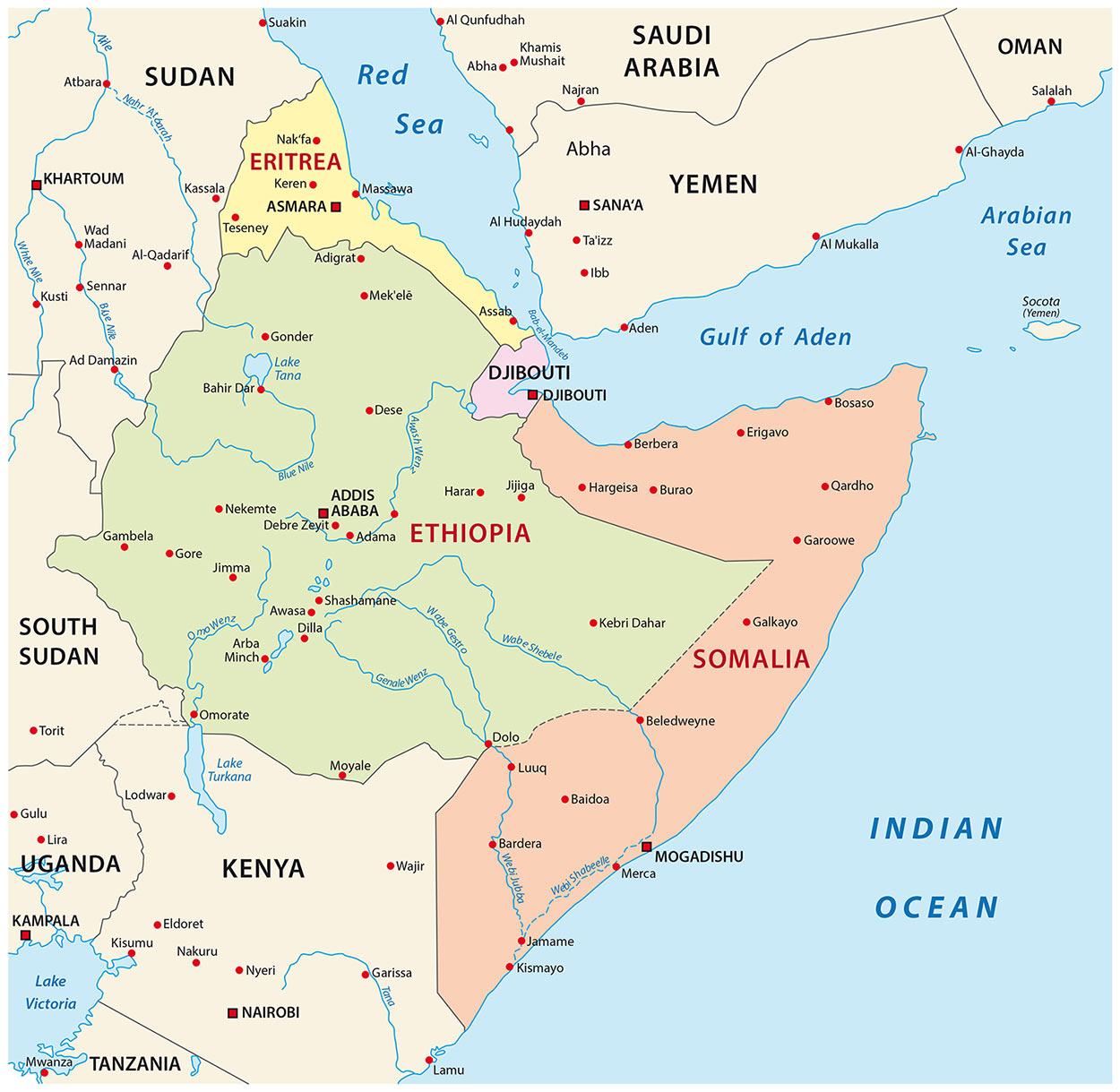
In the shadow of international headlines dominated by geopolitical conflicts, the small East African nation of Eritrea remains largely overlooked. Yet, experts warn that Eritrea’s repressive regime, isolationist policies, and human rights abuses draw stark parallels with those of North Korea. As a nation of approximately 3.5 million people, Eritrea is not only one of the world’s most closed societies but also a critical player in a region rife with instability. With the American Enterprise Institute positing that the U.S. must take action, the implications of Eritrea’s situation extend beyond its borders, threatening regional security and global human rights standards. This article delves into the chilling realities of life in Eritrea, drawing connections to its eastern counterpart and exploring why a concerted American response is imperative.
Eritrea’s Parallels with North Korea: A Deep Dive into Repressive Governance
The parallels between Eritrea and North Korea are striking and underscore the severe implications of repressive governance on their respective populations. Both nations are characterized by authoritarian leadership that stifles dissent and severely restricts personal freedoms. In Eritrea, it is estimated that around 300,000 individuals are imprisoned due to political dissent or perceived threats to the regime. This chilling atmosphere echoes North Korea’s infamous political prison camps where dissent can be punished by life sentences. Just as in North Korea, the Eritrean government employs a network of state surveillance and censorship that quashes any attempts at free expression and promotes an overwhelming sense of fear among its citizens.
The economic ramifications of such governance are equally detrimental. Eritrea, akin to North Korea, has stumbled into a quagmire of economic isolation exacerbated by the overreliance on military spending. This misallocation of resources prevents the development of essential public services, including education and healthcare. Citizens face not just the burden of oppression but also the reality of starvation, with the UN noting that food insecurity affects a substantial portion of the population. To provide perspective, the following table summarizes critical indicators of human rights and living conditions in both nations:
| Indicator | Eritrea | North Korea |
|---|---|---|
| Political Prisoners | 300,000+ | 200,000+ |
| Press Freedom Ranking (2023) | 178/180 | 179/180 |
| Food Insecurity Rate | 60% | 40% |
| Annual Military Spending (% of GDP) | 15% | 25% |
The Humanitarian Crisis Unfolding in Eritrea: Urgent Action Needed from the U.S
The situation in Eritrea has reached a critical point, where the human cost of government repression and economic mismanagement cannot be overstated. Reports indicate that tens of thousands of citizens are currently enduring severe hardships, including forced labor, arbitrary arrests, and systematic human rights violations. Key elements contributing to this turmoil include:
- Political Suppression: The Eritrean regime has silenced dissent and oppressed any form of opposition, stifling freedom of expression.
- Economic Collapse: Severe unemployment and food insecurity have left large segments of the population in dire poverty.
- Human Rights Abuses: Widespread reports of torture, extortion, and unlawful detention highlight the regime’s disregard for basic human rights.
International attention and intervention are imperative to mitigate this crisis. The U.S. government can play a pivotal role by leveraging diplomatic channels and imposing sanctions that target the Eritrean leadership. Furthermore, increasing humanitarian assistance and supporting refugee resettlement initiatives could provide immediate relief for those affected. A focused U.S. strategy should consider:
| Action | Description |
|---|---|
| Diplomatic Pressure | Mobilize international coalitions to condemn Eritrea’s actions and propose a resolution at the UN. |
| Sanctions | Target key Eritrean officials and state-owned enterprises to hinder their oppressive capabilities. |
| Humanitarian Aid | Increase aid to NGOs providing relief services and food assistance to those in need. |
Strategic Recommendations for U.S. Policy: Supporting Freedom and Stability in Eritrea
As Eritrea grapples with authoritarian rule and widespread human rights abuses, U.S. policy must shift to prioritize support for democratic movements and civil society within the country. The United States should consider implementing targeted sanctions against Eritrean officials implicated in human rights violations while simultaneously offering support to NGOs that promote freedom of expression and political engagement. By fostering partnerships with Eritrean diaspora communities, U.S. initiatives can amplify local voices and strengthen grassroots movements aimed at creating a more open society. Additionally, enhancing funding for independent media in Eritrea can help break the government’s chokehold on information and provide citizens with the knowledge required to demand accountability.
Moreover, the U.S. should leverage its diplomatic influence to encourage regional actors to advocate for change in Eritrea. This can be achieved by establishing a multi-nation coalition focused on promoting stability in the Horn of Africa, emphasizing the role of economic development as a means to counter oppressive regimes. Possible actions include:
- Engagement with neighboring countries to create a unified stance against Eritrean isolationism.
- Support for regional trade initiatives that encourage stability and economic cooperation.
- Facilitation of dialogue between Eritrean opposition groups to unify their efforts.
| Action Item | Purpose |
|---|---|
| Targeted Sanctions | Hold officials accountable for human rights violations |
| Support for NGOs | Promote civic engagement and democracy |
| Enhance Media Funding | Break government monopoly on information |
| Regional Diplomacy | Create a coalition for stability |
In Summary
As the alarming parallels between Eritrea and North Korea come into sharper focus, it becomes increasingly evident that the stakes are high, not just for the people of Eritrea but for regional stability and global security. The call for a more proactive American foreign policy in this overlooked corner of Africa is not merely an academic exercise; it is a necessary step toward addressing systemic human rights violations and the destabilizing effects of one of the world’s most repressive regimes. With insights from the American Enterprise Institute underscoring the urgent need for action, the time for the United States to reassess its approach to Eritrea is now. Failure to engage could mean perpetuating the cycle of suffering endured by Eritreans and allowing a significant threat to flourish unchecked. As lawmakers and policymakers consider the future of U.S. involvement in Africa, Eritrea’s plight should not only resonate within diplomatic circles but also become a rallying point for a concerted international response. Only through sustained attention and deliberate action can we hope to support the Eritrean people’s quest for freedom and build a more stable future for the region.










