
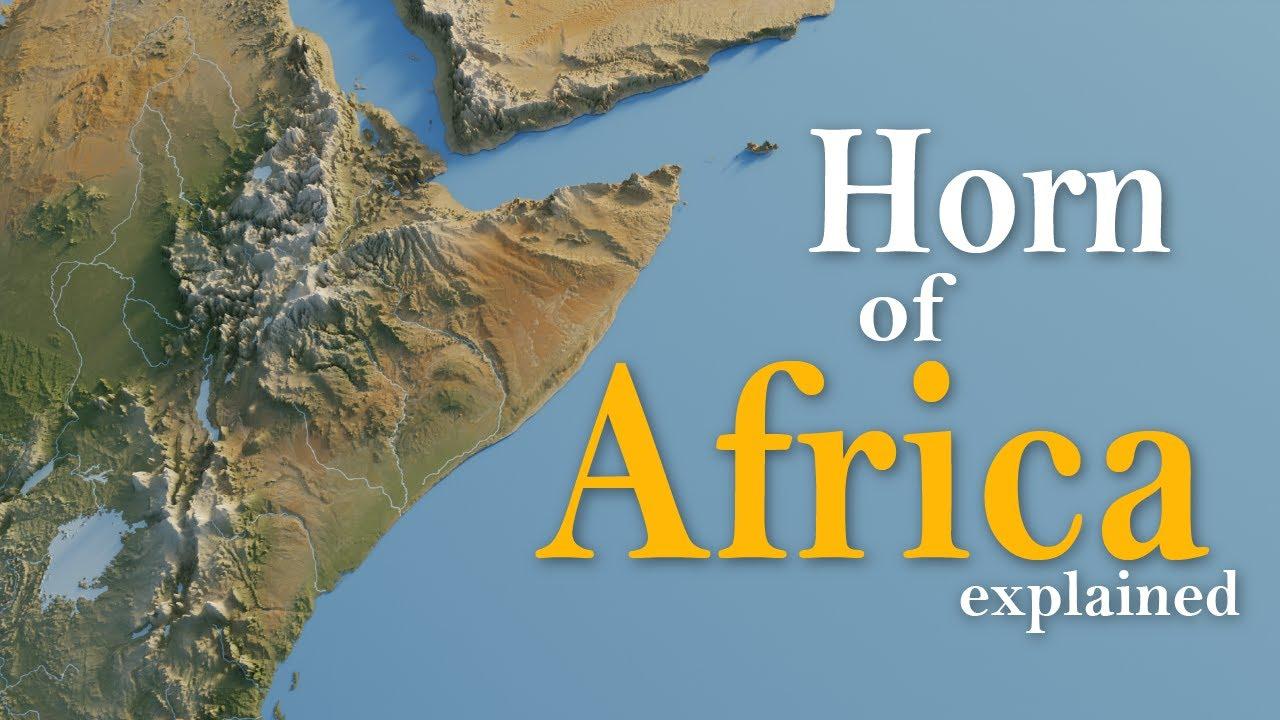
The Horn of Africa’s Turning Point: The Eritrea-Ethiopia Divide and Its Threat to Regional Stability
The Horn of Africa, a region with a long history of turmoil and political instability, is currently facing a important challenge due to the escalating tensions between Eritrea and Ethiopia. Initially viewed as a symbol of hope following their 2018 peace agreement, the fragile tranquility has now been disrupted by renewed hostilities. This situation has raised concerns among both regional leaders and global observers. As both nations confront internal conflicts, lingering past grievances, and changing geopolitical alliances, the consequences of this rift are likely to extend well beyond their borders. With an increase in potential unrest on the horizon, the implications for security, humanitarian conditions, and diplomatic relations throughout the region are profound. This article explores the current dynamics at play, provides historical context regarding Eritrea-Ethiopia relations, and examines how renewed discord could impact not only these two countries but also the broader Horn of Africa.
The Fragile State of Eritrea-Ethiopia Relations: Exploring Roots of Tension
The relationship between Eritrea and Ethiopia has seen troubling signs reminiscent of past border conflicts from the late 1990s. Several critical factors contribute to this precarious state:
- Territorial Disputes: Ongoing disagreements over territory remain unresolved-notably in regions like Badme-prompting military posturing from both sides.
- Shifts in Political Landscape: Changes within Ethiopia’s political framework under Prime Minister Abiy Ahmed have altered power dynamics that affect how Eritrea views its security.
- External Influences: Increased involvement from regional powers and international actors with varying agendas complicates an already tense situation.
The economic challenges faced by both nations further exacerbate tensions as they deal with pandemic repercussions alongside internal issues. While Eritrea seeks economic growth opportunities, Ethiopia aims to solidify its position as a regional leader. The potential fallout from this renewed discord is alarming; it threatens not only the delicate peace established after 2018 but also risks destabilizing neighboring countries.
| Causal Factor | Potential Consequences | |||
|---|---|---|---|---|
| Territorial Disputes | Increased military confrontations | |||
| Political Shifts | Evolving alliances among factions | |||
< strongStrategy
| < strongExpected Outcomes | / tr /> / head /> < strontJoint Infrastructure Projects< strontBoost trade connectivity fostering interdependence./ strontBoost trade connectivity fostering interdependence./ td /
/ tr />
| < strontShared Resource Management< strontEnsure sustainable use resources like water arable land./ strontEnsure sustainable use resources like water arable land./ td /
/ tr />
| < stCross-Border Trade Agreementsrong />
| Tanzania’s Construction Boom: Can the Sector Surpass Sh40 Trillion Despite Affordability Hurdles?Tanzania's construction sector is on the brink of an exhilarating transformation, projected to reach a staggering Sh40 trillion! This remarkable... Read moreDetails         |
|---|

