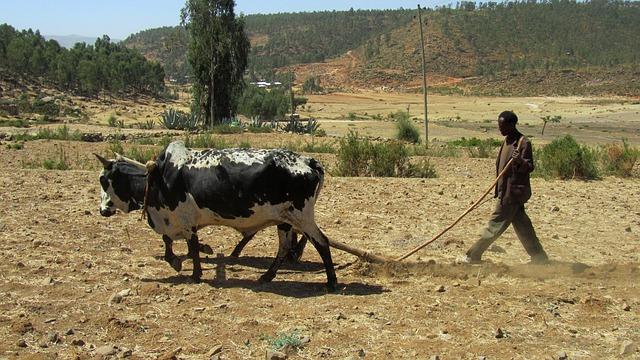
As tensions escalate between Ethiopia and Eritrea, regional stability hangs precariously in the balance, raising alarm bells for diplomats and analysts alike. The simmering disputes, rooted in a complex history of conflict and rivalry, have reignited fears of a potential outbreak of hostilities that could spill over into neighboring countries.Recent military maneuvers and inflammatory rhetoric between both nations signal a disturbing trend for a region already beset by political volatility and humanitarian crises. As stakeholders in the Horn of Africa watch closely, the implications of renewed tensions could reverberate far beyond the borders of Ethiopia and Eritrea, threatening to destabilize an already fragile geopolitical landscape and exacerbate ongoing struggles with poverty, displacement, and governance in one of the world’s most challenging regions. This article delves into the underlying factors fueling this conflict, the past context, and the potential consequences for regional security.
Ethiopia and Eritrea’s Fragile Peace Confronts New Challenges Amidst Regional Turmoil
The fragile peace between Ethiopia and Eritrea,established in 2018 after decades of hostility,faces unprecedented challenges as regional dynamics shift and new conflicts emerge. Recent reports indicate an uptick in border skirmishes and political provocations, raising alarms among analysts and citizens alike. tensions have been inflamed by a variety of factors, including:
- Increased military activity near the contested border regions, suggesting a possible escalation in hostilities.
- Rising ethnic tensions in Ethiopia that can spill over and destabilize relations with Eritrea.
- Influence from neighboring countries, as external powers vie for strategic advantage in the Horn of Africa.
Moreover, the humanitarian situation remains dire, with reports of displaced populations and food insecurity exacerbating instability. Extremist groups are also seizing opportunities to exploit the situation, further complicating efforts toward maintaining peace. The national and regional implications of renewed strife could be devastating, as both nations grapple with internal pressures while attempting to keep the delicate balance they fought so hard to achieve. Observers warn that the risk of a broader regional conflict looms, underscoring the urgent need for diplomatic engagement and conflict resolution efforts by the international community.
Root Causes of Increasing Tensions: Historical Grievances and Territorial Disputes
The enduring strife between Ethiopia and Eritrea can be traced back to a complex web of historical grievances and territorial disputes that have fueled animosities for decades. The roots of the conflict stem from the brutal Eritrean War of Independence (1961-1991), during which Eritrea fought to detach itself from Ethiopia. Despite Eritrea gaining independence in 1993, unresolved issues such as the delimitation of borders and lingering accusations of territorial encroachment have continued to mar relations. Key impetus for heightened tensions include:
- The Badme Dispute: A critical flashpoint, this border town has been the center of conflict since a 1998-2000 war between the two nations, leading to prolonged skirmishes and animosity.
- Ethnic Rivalries: The region’s diverse ethnic composition has further complex national narratives, as historical grievances frequently enough intersect with calls for greater autonomy and recognition.
- Legacy of War: The scars left by decades of conflict foster mistrust, with lingering memories of violence impacting the political discourse on both sides.
Moreover, the geopolitical dynamics in the Horn of Africa have played a crucial role in exacerbating tensions.External support for various factions and the contest for regional influence add layers of complexity to the historical narrative. the involvement of neighboring countries and international powers has frequently enough intensified the dispute over resource-rich areas, leading to fears of escalation into broader conflict. factors contributing to the regional tensions include:
- Strategic Alliances: Alliances shifting among regional powers often shift allegiances and intensify disputes over land and resources.
- Internal Political Struggles: Domestic instability in both Ethiopia and Eritrea can manifest as aggressive posturing towards each other, distracting from internal issues.
- Economic Pressures: Long-standing economic challenges have lead both nations to vie for control over contested territories rich in minerals and water resources, further igniting old grievances.
Strategic Recommendations for International Actors to Mitigate Escalation Risks in the Horn of africa
In light of the increasing tensions between Ethiopia and Eritrea, international actors must adopt a multifaceted approach to reduce the risk of a larger regional conflict. First,diplomatic initiatives should focus on facilitating dialog between the two nations,promoting negotiation platforms that include not only governmental representatives but also civil society groups. Second, leveraging regional organizations like the African Union, as well as involving influential external partners such as the United States and the European Union, can provide balanced mediation efforts. This collaborative approach could help harmonize interests and alleviate grievances stemming from historical conflicts and territorial disputes.
moreover, engagement in growth projects and economic partnerships can play a critical role in fostering cooperation. Investing in cross-border initiatives that address issues like food security, infrastructure, and climate resilience could create tangible benefits for both nations and their populations. Additionally,the implementation of confidence-building measures,such as military de-escalation agreements and joint security operations,can instill trust among parties,reducing the likelihood of miscalculation or provocations. By prioritizing these strategic recommendations, international actors can contribute significantly to mitigating escalation risks in this volatile region.
wrapping Up
As tensions escalate between ethiopia and Eritrea, the specter of renewed conflict looms large over the Horn of Africa. The potential for instability not only threatens the fragile peace between the two nations but also raises alarms for the entire region,which has struggled with political volatility and humanitarian crises in recent years. Observers and analysts emphasize the need for urgent diplomatic engagement and robust international support to address the underlying issues fueling the discord. As both countries grapple with their historical grievances, the global community watches closely, aware that the stakes are higher than ever. The path forward remains uncertain, but the lessons of the past serve as a stark reminder: unresolved tensions can quickly morph into broader confrontations, with consequences that may ripple far beyond their borders. The call for dialogue and reconciliation is more critical now than ever to stave off the descent into chaos that has plagued the region for decades.