
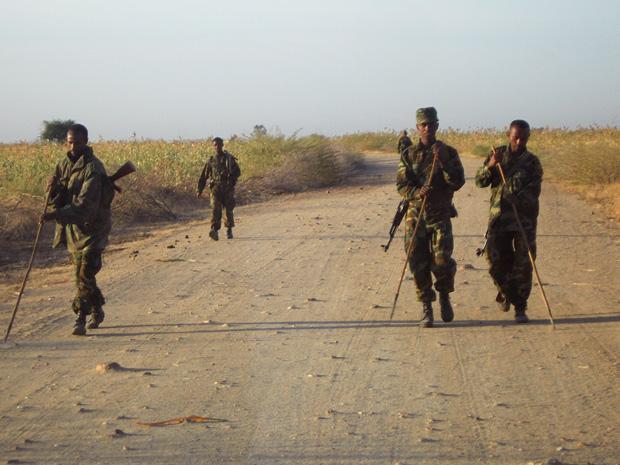
As tensions simmer along the border between Ethiopia and Eritrea, the specter of renewed conflict looms large over the Horn of Africa. Following a period of relative peace that followed the historic peace agreement in 2018, recent skirmishes and escalating hostilities have raised alarms about the fragile state of relations between the two nations. Analysts warn that a combination of political instability, ethnic divisions, and unresolved grievances from decades of conflict could propel the region back into a cycle of violence. In this article, we explore the underlying factors contributing to the rising risk of war, the implications for regional stability, and the potential international response to avert a catastrophic escalation.
Ethiopia’s Internal Conflicts Fuel Tensions with Eritrea
The volatile dynamics within Ethiopia are being exacerbated by long-standing grievances and ethnic divisions, which not only threaten national stability but also rekindle old hostilities with Eritrea. The escalating internal conflicts, particularly in regions such as Tigray, have created a surge in nationalist sentiments that spill over into confrontations with Eritrean forces. Eritrea, still grappling with memories from the brutal conflict that ended in 2000, is increasingly wary as Ethiopia’s internal strife raises concerns about border security and the potential for militant spillover. This complicated web of alliances and enmities is marked by:
- Border skirmishes: Renewed clashes along the contested borders echo the past and signal a worrying trend.
- Ethnic tensions: The proliferation of ethnic-based violence in Ethiopia further complicates relations, as various groups vie for power and recognition.
- Political instability: Ongoing political turmoil within Ethiopia may push the government to adopt aggressive stances toward Eritrea as a distraction.
The international community must take note of the brewing tensions, which could lead to a broader conflict if left unaddressed. A potential resurgence of war not only threatens regional stability but also presents a humanitarian crisis that could evoke international response. Below is a brief overview of recent developments affecting the Ethiopia-Eritrea relationship:
| Date | Event | Impact |
|---|---|---|
| June 2023 | Border clash reported near Tigray | Increased military presence on both sides |
| August 2023 | Diplomatic talks held | Minimal progress; tensions remain high |
| October 2023 | Militia groups engage in violent skirmishes | Escalation of conflict warnings |
The Role of Regional Powers in a Potential Escalation
The dynamics of regional powers in the Horn of Africa are pivotal in shaping the likelihood of renewed hostilities between Ethiopia and Eritrea. Countries such as Sudan, Djibouti, and even external influences like Saudi Arabia and the United States play crucial roles that can either mitigate or exacerbate tensions. Recent events have shown that these powers can act as mediators or, conversely, take sides based on their own strategic interests. For instance, relations between Ethiopia and Sudan have been strained due to border disputes, while Djibouti has been keen on maintaining stability in the region to protect its own interests. As rivalries heighten, the potential for miscalculation grows, paving the way for a resurgence of conflict.
Furthermore, the involvement of international actors complicates the situation even further. An analysis of the positions and interests of key regional powers could highlight potential alignments or conflicts:
| Country | Interest | Potential Impact |
|---|---|---|
| Sudan | Border disputes & stability | Risk of escalation supporting Ethiopia or Eritrea |
| Djibouti | Maintain peace for economic ties | Possible mediator role to prevent war |
| Saudi Arabia | Strategic alliances in Ethiopia | Potential financial backing, influencing decisions |
| United States | Stability & counter-terrorism efforts | Facilitating dialogues or imposing sanctions |
Understanding these regional interactions is essential, as they not only dictate the immediate responses to an escalation but also establish long-term ramifications for peace and conflict in the area. The choices made by these powers in times of rising tensions could either steer the region towards another destructive war or foster dialogues that seek to avert confrontation. It’s crucial to assess not just the motivations of the countries directly involved, but also how external influences can mold the trajectory of this evolving crisis.
Strategies for Diplomatic Engagement to Prevent War
To address the escalating tensions between Ethiopia and Eritrea, a multi-faceted approach to diplomacy is essential. First and foremost, facilitated dialogue between the conflicting parties should be prioritized. Engaging neutral third parties can help establish a framework for open discussions. Additionally, organizing multilateral peace talks involving key regional stakeholders can foster a more comprehensive understanding of the issues at hand. Such talks should emphasize the importance of confidence-building measures, including the establishment of communication hotlines and regular exchanges of information, which can help de-escalate misunderstandings that might lead to conflict.
Furthermore, leveraging economic diplomacy can serve as a powerful tool for conflict prevention. By encouraging trade agreements and investment initiatives between the two countries, external actors may help create interdependence that disincentivizes war. In tandem, humanitarian initiatives, such as joint infrastructure projects, can enhance community ties and demonstrate the tangible benefits of peaceful collaboration. Below is a table showcasing potential economic cooperation areas:
| Area of Cooperation | Potential Benefits |
|---|---|
| Agriculture | Increased food security and shared technology |
| Energy | Joint projects can reduce costs and improve efficiency |
| Transportation | Enhanced connectivity and reduced trade barriers |
Final Thoughts
As tensions escalate along the border and military skirmishes increase, the specter of renewed conflict between Ethiopia and Eritrea looms ominously over the Horn of Africa. The historical animosities, compounded by ethnic divisions and geopolitical shifts, underscore the fragile nature of peace in a region still reeling from past wars. Analysts warn that without decisive diplomatic intervention and a commitment to addressing long-standing grievances, the risk of a new war could not only destabilize Ethiopia and Eritrea but also threaten the broader regional security landscape. As the international community watches closely, the time for proactive engagement and dialogue is now. The stakes have never been higher; the path to lasting peace will require immense effort and collaboration from both nations and their allies.










