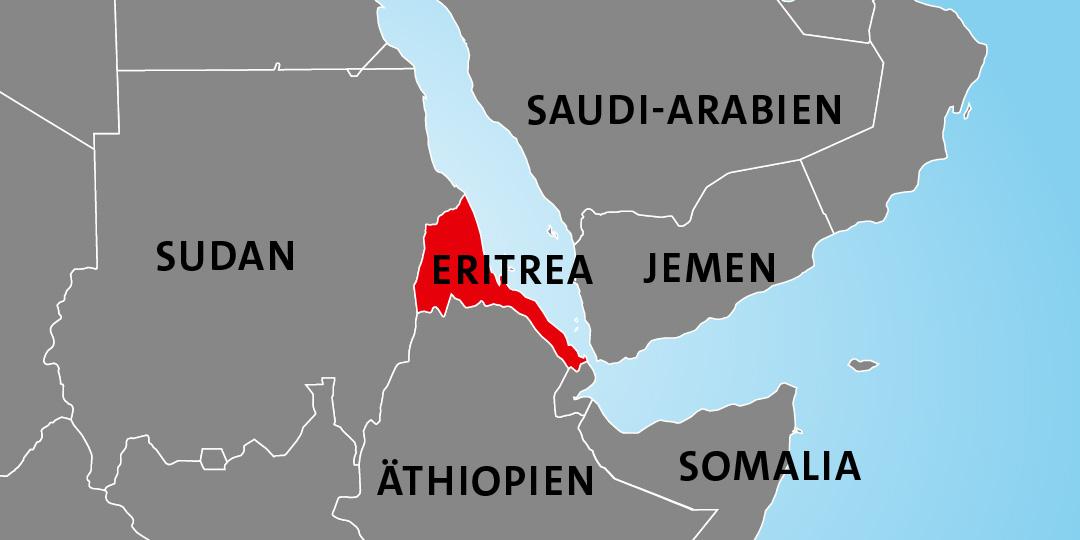
In a pointed address that underscores the fragile state of peace in the Horn of Africa, Eritrea’s President Isaias Afwerki has issued a stern warning to Ethiopia, urging caution against any resurgence of conflict as regional tensions mount. The declaration comes in the wake of escalating diplomatic strains and military maneuvering that have raised concerns among neighboring nations and international observers. As both countries grapple with the legacies of past hostilities, President Afwerki’s remarks mark a critical moment in a complex relationship characterized by shifting alliances and deep-rooted grievances. With the specter of renewed conflict looming, regional stability hangs in the balance as leaders navigate an increasingly volatile geopolitical landscape.
Eritrea’s Leadership Calls for Peaceful Dialogue as Regional Tensions Escalate
Eritrea’s leadership has issued a strong call for peaceful dialogue as tensions in the Horn of Africa escalate. In recent statements, President Isaias Afwerki emphasized the importance of diplomacy over conflict, urging neighboring countries, particularly Ethiopia, to refrain from actions that could lead to renewed hostilities. Amidst growing unrest in the region, the Eritrean government seeks to navigate these challenges by fostering cooperative relationships that prioritize stability and mutual understanding.
Afwerki’s remarks come at a critical juncture, as various factors contribute to rising tensions:
- Border disputes: Ongoing disagreements over territorial claims, particularly along the Eritrea-Ethiopia border.
- Internal conflicts: Political instability and ethnic strife in Ethiopia creating wider implications for the Horn of Africa.
- International pressures: The influence of global powers complicating regional dynamics.
| Region | Current Situation |
|---|---|
| Eritrea | Calls for dialogue and peace |
| Ethiopia | Heightened tensions and internal strife |
Implications of Military Posturing: Understanding Eritrea’s Warnings to Ethiopia
The escalating military posturing between Eritrea and Ethiopia holds significant implications for regional stability and security.Eritrea’s President has issued strong warnings regarding Ethiopia’s potential intentions to engage in renewed conflict. This rhetoric not only reflects a heightened military readiness but also signals a concern over Ethiopia’s internal challenges and political dynamics. The situation is compounded by existing territorial disputes and a fragile peace agreement that has not fully addressed the underlying tensions. The implications of such warnings may vary,affecting diplomatic relations,economic partnerships,and collaborative efforts to combat regional threats such as terrorism and refugee crises.
Furthermore,the international community’s response could play a critical role in shaping the dynamics of Eritrea’s military posture. Several factors must be considered, including:
- Global Geopolitical Interests: Both countries are pivotal players in the Horn of Africa, with their actions reverberating through alliances and trade relationships.
- Humanitarian Considerations: Renewed conflict may exacerbate the humanitarian situation, particularly for displaced populations and those affected by economic downturns.
- Regional Cooperation: Tensions could hinder existing cooperative initiatives aimed at fostering stability in neighboring countries.
Strategies for Promoting Stability: Recommendations for Regional Partners
Considering the escalating tensions between Eritrea and Ethiopia, it is crucial for regional partners to engage in proactive diplomacy to mitigate potential conflicts. One effective approach is to encourage open dialogues among local stakeholders, fostering an environment where grievances can be addressed constructively. This can be achieved through:
- Facilitated Peace Talks: Organizing regular meetings involving governmental and non-governmental entities from both nations.
- Crisis Management Frameworks: Developing protocols that allow rapid response to emerging tensions.
- Community Engagement: Empowering local communities to participate in peacebuilding efforts, ensuring that their voices are heard in national discussions.
Additionally, enhancing regional cooperation through security pacts and economic partnerships could help to build trust and interdependence among neighboring countries. Initiatives such as joint military exercises, trade agreements, and cultural exchange programs can promote stability. A strategic overview of proposed partnerships may include:
| Partnership Type | Objective | Expected Outcome |
|---|---|---|
| Trade Agreements | Enhance economic ties | Reduced tensions through mutual benefits |
| Security Pacts | Joint defense initiatives | Increased regional stability |
| Cultural Exchanges | Promote understanding | Strengthened people-to-people connections |
In Retrospect
President Isaias Afwerki’s stark warning to Ethiopia underscores the fragile state of regional stability in the Horn of Africa. As tensions simmer between the two nations, the potential for renewed conflict poses significant risks not only for Eritrea and Ethiopia but for the broader region as well. The international community watches closely, urging diplomatic dialogue and conflict resolution strategies to prevent a resurgence of hostilities. As Eritrea navigates these complex dynamics, the hope remains that proactive measures can pave the way for lasting peace and cooperation between the neighboring countries. The path forward will require careful diplomacy and a commitment to dialogue, as the storm clouds of conflict loom once again on the horizon.