
Introduction
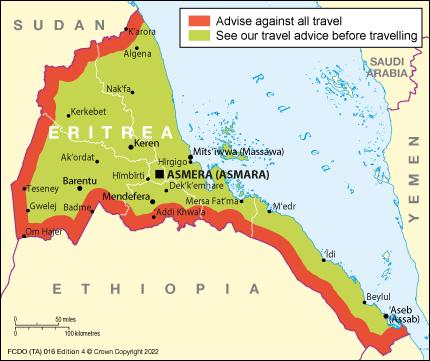
In recent years, Eritrea has emerged as a focal point in discussions about human rights violations and mass migration. As a nation marked by severe repression and authoritarian rule, Eritrea has compelled a significant portion of its population to seek refuge beyond its borders. According to a report by Migration Policy Institute, decades of oppressive governance, military conscription, and widespread human rights abuses have triggered one of the most substantial exoduses in the region. This article explores the underlying causes of the crisis, the harsh realities faced by those fleeing, and the implications of this ongoing migration phenomenon for both Eritrea and the broader international community. As the world grapples with the complexities of migration, understanding the plight of Eritrean refugees remains crucial in addressing the humanitarian challenges they face.
Impact of Authoritarian Rule on Eritrea’s Population Displacement
The relentless grip of authoritarian rule in Eritrea has resulted in a profound crisis of population displacement, reflecting not only the dire human rights situation but also the broader socio-economic consequences of widespread repression. Under the long-standing regime led by President Isaias Afwerki, basic freedoms have been severely restricted, leading many Eritreans to view emigration as the only viable option for a dignified life. As a result, hundreds of thousands of individuals have sought refuge abroad, dramatically altering the demographic landscape of the nation. The following factors have significantly contributed to this mass exodus:
- Conscription and Forced Labor: Mandatory military service, often extending indefinitely, has driven young Eritreans to flee.
- Political Repression: Dissent is brutally suppressed, leading to arbitrary arrests and detentions.
- Lack of Freedom of Expression: Media censorship stifles any potential dissent or critique of government policies.
- Economic Hardship: Chronic unemployment and poverty further exacerbate the push for migration.
Moreover, the impact of state-sanctioned oppression has been deeply felt by those who remain. Families face disintegration as loved ones are lost to migration, and communities are left in a state of constant fear and uncertainty. In response to this crisis, Eritrea’s neighbors and the international community have increasingly been forced to address the dynamics of this displacement. Recent data illustrates the scope of this humanitarian issue:
| Year | Number of Eritrean Refugees |
|---|---|
| 2015 | 5,000 |
| 2020 | 26,000 |
| 2023 | 35,000 |
Understanding the Root Causes Behind Eritrea’s Ongoing Migration Crisis
The dire situation in Eritrea is primarily rooted in a combination of political repression, economic instability, and social challenges that have persisted for decades. The government, led by President Isaias Afwerki since its independence in 1993, has adopted an authoritarian approach, quashing dissent and restricting freedoms. This has created a climate of fear among citizens, compelling many to flee in search of safety and a better future. Key factors contributing to the migration crisis include:
- Mandatory National Service: The indefinite conscription policy forces many young Eritreans into military service, which can last for many years under challenging conditions.
- Lack of Political Freedom: The absence of a democratic political process and repression of opposition groups leave no room for reform or dialogue.
- Economic Challenges: High unemployment rates and limited job opportunities drive people to seek livelihoods elsewhere.
- Human Rights Violations: Reports of torture, arbitrary detention, and extrajudicial killings have led many to view migration as the only viable option.
The consequences of these factors have resulted in a substantial outflow of Eritreans, creating a humanitarian crisis across the region. Eritreans now make up one of the largest groups of asylum seekers, particularly in Europe and neighboring countries. As a testament to the alarming trend, the following table highlights recent asylum applications by Eritreans in select countries:
| Country | Asylum Applications (2022) |
|---|---|
| Germany | 27,000 |
| Sweden | 10,500 |
| Italy | 15,200 |
| Netherlands | 8,300 |
Recommendations for International Response to Eritrean Exodus and Human Rights Violations
The ongoing crisis in Eritrea demands urgent international action to address the widespread human rights violations and the resultant mass emigration. Governments and international organizations are urged to strengthen diplomatic pressure on the regime, emphasizing support for the establishment of accountable governance and the protection of basic freedoms. Key actions should include:
- Enhanced Sanctions: Targeted economic sanctions against key leaders and institutions that perpetuate repression are essential to weaken the regime’s hold.
- Support for Refugees: Host nations must be provided with increased humanitarian aid and resources to support the influx of Eritrean refugees, ensuring they receive necessary services.
- International Observers: The deployment of independent human rights observers to Eritrea to document abuses could serve as a significant deterrent against further violations.
- Collaboration with NGOs: Partnerships with local and international non-governmental organizations can facilitate advocacy and support programs for victims of repression.
Additionally, the international community must prioritize providing pathways for safe migration and asylum for Eritreans fleeing persecution. This can involve:
- Resettlement Programs: Countries should increase commitments to receive Eritrean refugees, focusing on expedited asylum processes and integration support.
- Awareness Campaigns: Public initiatives highlighting the plight of Eritrean migrants can foster greater empathy and encourage community involvement in resettlement efforts.
- Legal Frameworks: Ensuring that legal provisions for asylum seekers are strengthened and streamlined to facilitate protection against deportation.
| Action Item | Description |
|---|---|
| Diplomatic Pressure | Influence Eritrean leadership through international forums. |
| Humanitarian Assistance | Increase aid to support Eritrean refugees. |
| Monitoring | Deploy human rights observers in Eritrea. |
In Summary
As Eritrea continues to grapple with the effects of severe repression and human rights abuses, the exodus of its citizens shows no signs of abating. With thousands fleeing the country each year in search of safety and opportunity, the international community faces a pressing challenge to address the root causes of this mass migration. The stories of those who have escaped serve as a stark reminder of the urgent need for action and solidarity in support of Eritrean refugees and their rights. As the situation unfolds, it is crucial for policymakers and advocates to remain vigilant and committed to finding sustainable solutions that address both the humanitarian crisis and the political landscape of Eritrea. The plight of Eritreans is not just a regional issue; it calls for a united global effort to uphold the principles of justice and human dignity for all.










