
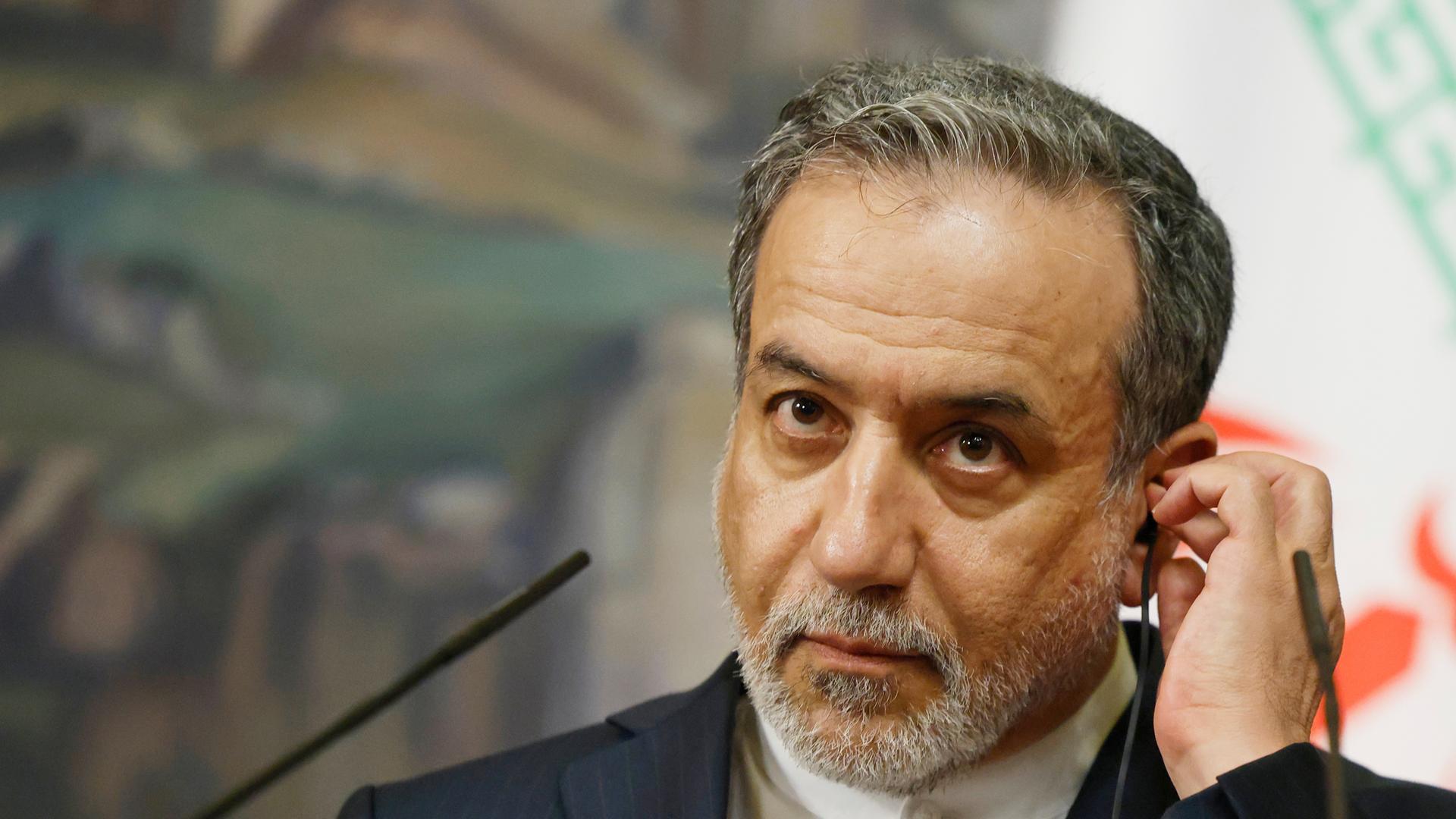
Iran and Egypt Express Concerns Over Increasing Israeli Military Operations in Syria
In a significant development in Middle Eastern diplomacy, both Iran and Egypt have voiced their concerns regarding the recent uptick in Israeli military actions within Syrian territory. This escalation, characterized by airstrikes and ground maneuvers, is viewed not only as a direct threat to the stability of Syria but also as a broader challenge to regional security. Officials from both nations perceive these military operations as potential catalysts for conflict that could further destabilize an already fragile area. Iranian military leaders have reaffirmed their dedication to preserving Syrian sovereignty, while Egyptian representatives have emphasized the urgent need for diplomatic avenues to prevent further hostilities.
Key issues raised by officials from Iran and Egypt include:
- Respect for Syrian Sovereignty: Both nations reiterated their commitment to honoring Syria’s territorial integrity.
- Promotion of Dialog: There was a strong call for prioritizing diplomatic discussions over military engagements.
- Threats to Regional Stability: Officials expressed concerns about how ongoing Israeli operations could undermine peace throughout the Middle East.
Furthermore, Iran and Egypt are open to collaborating with other regional stakeholders in pursuit of peaceful resolutions.Recent developments have ignited discussions about forming alliances aimed at countering perceived threats, suggesting a possible shift in regional dynamics that may affect future interactions.
Escalating Regional Tensions and the Importance of Diplomatic Solutions
The escalation of violence in Syria due to Israeli military actions has raised significant alarms across the Middle East. As two pivotal countries with vested interests in maintaining stability-Iran and Egypt-have publicly articulated their concerns, it becomes clear that this situation transcends local implications; it poses risks that could destabilize neighboring nations and heighten tensions throughout the region. Thus, prioritizing diplomatic engagement over militaristic responses is essential if all parties wish to avert further deterioration of relations.
The international community must take proactive measures toward facilitating de-escalation through various strategies such as:
- Pursuing Enhanced Diplomatic Engagements: Encourage dialogue among conflicting parties with mediation from neutral organizations.
- Utilizing International Platforms: Leverage institutions like the United Nations to promote peace negotiations effectively.
- Cultivating Regional Security Collaborations:Create agreements among neighboring states focused on collective security challenges.
The importance of multilateral discussions cannot be overstated; collaborative efforts can pave pathways toward addressing underlying issues while fostering long-term solutions crucial for achieving lasting peace within the region.
Approaches to Enhancing Regional Stability Amidst Conflict
The current atmosphere of heightened tensions necessitates diplomacy as an indispensable tool for conflict resolution and stability enhancement. Neighboring countries must engage openly through dialogue while establishing cooperative security frameworks aimed at effectively addressing shared concerns. Potential approaches include:
- Create Direct Communication Channels: Establish lines between Iran, Egypt, and other key players can help mitigate crises before they escalate into larger conflicts.
- < strong > Engage Joint Diplomatic Initiatives: Collaborative missions directed at international bodies may present a united front against actions threatening regional tranquility .< / strong >
- < strong > Develop Crisis Management Protocols: Structured responses designed specifically for crisis situations can streamline decision-making processes leading towards peaceful outcomes.< / strong >
Tackling root causes is vital when striving towards enduring peace initiatives; ongoing economic support alongside humanitarian assistance can foster goodwill among affected populations while reducing animosities between involved nations.Possible initiatives might encompass:
< strong > Initiative < strong > Objective
< strong > Humanitarian Assistance Programs Mitigate suffering experienced by populations caught within conflict zones.< /td > /tr >
< strong > Economic Cooperation Agreements< /td > Enhance economic collaboration fostering interdependence amongst nations .< /td > /tr />
< string > Cultural Exchange Initiatives< /td > /tr />
/tbody />
/table />Together , these strategic pathways hold promise not only towards stabilizing current conditions but also nurturing long-lasting relationships even amidst escalating tensions throughout this complex landscape .
Final Thoughts on Current DevelopmentsÂ
The rising tensions surrounding Israel’s actions within Syria are prompting unified responses from influential players like Iran & ;Egypt who express serious concern regarding increasing frequency/intensity associated with such operations which threaten overall regional stability/security levels substantially moving forward . As developments unfold , global observers will closely monitor reactions stemming from all involved parties emphasizing importance placed upon dialogue/diplomacy rather than confrontation preventing any potential escalation into wider conflicts affecting multiple stakeholders across borders .
Unlocking Tomorrow: H.E. Ambassador Duarte Lopes Shares Visionary Insights on Europe, North Africa, and the Mediterranean
During a recent event hosted by the Stimson Center, participants delved into a captivating discussion about the evolving relationships between...
Read moreDetails









