
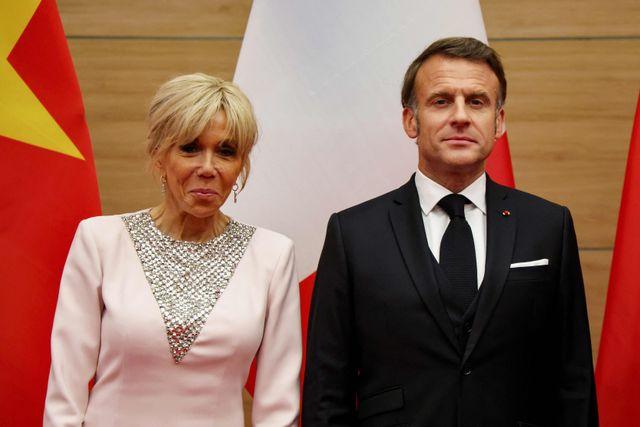
In a significant diplomatic move, French President Emmanuel Macron arrived in Djibouti on Thursday, marking the first visit by a French head of state to the strategically important East African nation in 27 years. As France’s last operational military base on the continent, the Djibouti base serves not only as a cornerstone of French military presence in Africa but also underscores Paris’s commitment to maintaining influence in a region increasingly shaped by global powers.Macron’s visit comes amidst heightened competition in the Horn of Africa and evolving security dynamics, raising critical questions about France’s role and strategy in maintaining its legacy in Africa. This visit aims to strengthen bilateral ties, address security cooperation, and discuss broader regional challenges, including counterterrorism efforts and maritime security.
Macron’s Strategic Diplomatic Engagement in Djibouti
During his recent trip to Djibouti, President Emmanuel Macron underscored France’s commitment to maintaining its influence in a strategically vital corner of the Horn of Africa. As tensions in the region continue to escalate, Macron’s engagement serves not only to reaffirm France’s military presence but also to forge stronger ties with Djibouti, which hosts France’s last operational military base in Africa. This visit, marked by high-level discussions, aims to enhance bilateral cooperation in areas such as security, counter-terrorism, and trade.
Macron’s agenda included meetings with Djiboutian President Ismaël Omar Guelleh, focusing on key initiatives to boost regional stability. The talks emphasized:
- Counter-Terrorism: Expanding joint efforts to combat extremist groups that threaten peace in the region.
- Trade Partnerships: Exploring new economic avenues to strengthen mutual growth and stability.
- Military Cooperation: Discussing enhanced military collaboration and training programs between the two nations.
Further, Macron’s visit reflects a broader strategy to reassert France’s role in African affairs, amidst increasing competition from other global powers vying for influence in this crucial area.
Assessing France’s Military Presence and Its Regional Implications
As President Emmanuel Macron embarked on his visit to Djibouti, he underscored the importance of this strategic outpost for France’s military operations in Africa. Djibouti serves as a pivotal hub for French forces,enhancing their capability to respond to regional crises while asserting France’s influence in the Horn of Africa. With its proximity to critical maritime routes and neighboring hotspots such as Yemen and Somalia, the presence of French troops not only reflects France’s enduring colonial ties but also its commitment to safeguarding its interests amid evolving security dynamics. The base hosts approximately 1,500 personnel and plays a critical role in counter-terrorism efforts, emphasizing France’s proactive stance in combatting extremism in the region.
The ramifications of France’s military presence extend beyond just a logistical advantage; it also serves as a diplomatic tool within the region. By maintaining a robust operational capacity, France positions itself as a key player in regional stability, fostering partnerships with African nations and influencing local governance. This relationship is bolstered by various collaborations, which can be outlined as follows:
- Joint Military Exercises: Engaging local forces to enhance preparedness.
- Intelligence Sharing: Collaborating on intelligence for counter-terrorism.
- Humanitarian Assistance: Providing relief during crises and natural disasters.
Through its continued military engagement, France aims to navigate the complexities of post-colonial relations while responding to the rising influence of other powers, notably China and the United States. Macron’s visit signals a reaffirmation of France’s commitment to this part of the world, highlighting its strategic intent to not only maintain a military presence but to also foster a collaborative atmosphere that addresses the multifaceted challenges facing the region.
Recommendations for Strengthening Franco-African Ties Through Enhanced Cooperation
Enhancing cooperation between France and African nations must focus on mutual benefits and shared goals. A key recommendation is to foster economic partnerships that emphasize lasting advancement.Initiatives could include joint ventures in renewable energy and infrastructure projects, tapping into Africa’s rich natural resources while providing French companies with new markets. Additionally, investing in education and technology transfer will nurture a skilled workforce in African countries, facilitating innovation and growth that benefits both regions.
To deepen cultural and diplomatic ties, collaborative programs should be established that reflect the rich historical connections between France and African states. By promoting cultural exchange initiatives, such as artist residencies and academic partnerships, both parties can celebrate their diversity while fostering understanding. A dedicated forum for youth engagement could also empower the next generation to address global challenges together, ensuring that France is viewed as a partner in progress rather than simply a former colonizer.
The Way Forward
President Emmanuel Macron’s visit to Djibouti underscores France’s enduring military and strategic presence in a region marked by geopolitical complexities. As the last operational base of France in Africa, Djibouti serves as a critical hub for counterterrorism efforts and regional stability. Macron’s discussions with Djibouti’s leadership reflect not only a commitment to bolstering bilateral ties but also an acknowledgment of the strategic importance of the Horn of Africa in global security dynamics. As France navigates its evolving role on the continent, the implications of this visit will continue to resonate, shaping the future of France’s presence in Africa for years to come.










